


In a world filled with constant noise, endless to-do lists, and overflowing spaces, it’s easy to feel overwhelmed. Minimalism offers a refreshing alternative—helping you focus on what truly matters while letting go of the excess.
The good news? You don’t need a complete life overhaul to start. By adopting a few simple minimalist habits and routines, you can create a calmer, more organized, and more meaningful life—one small step at a time.
Why Minimalist Habits Matter
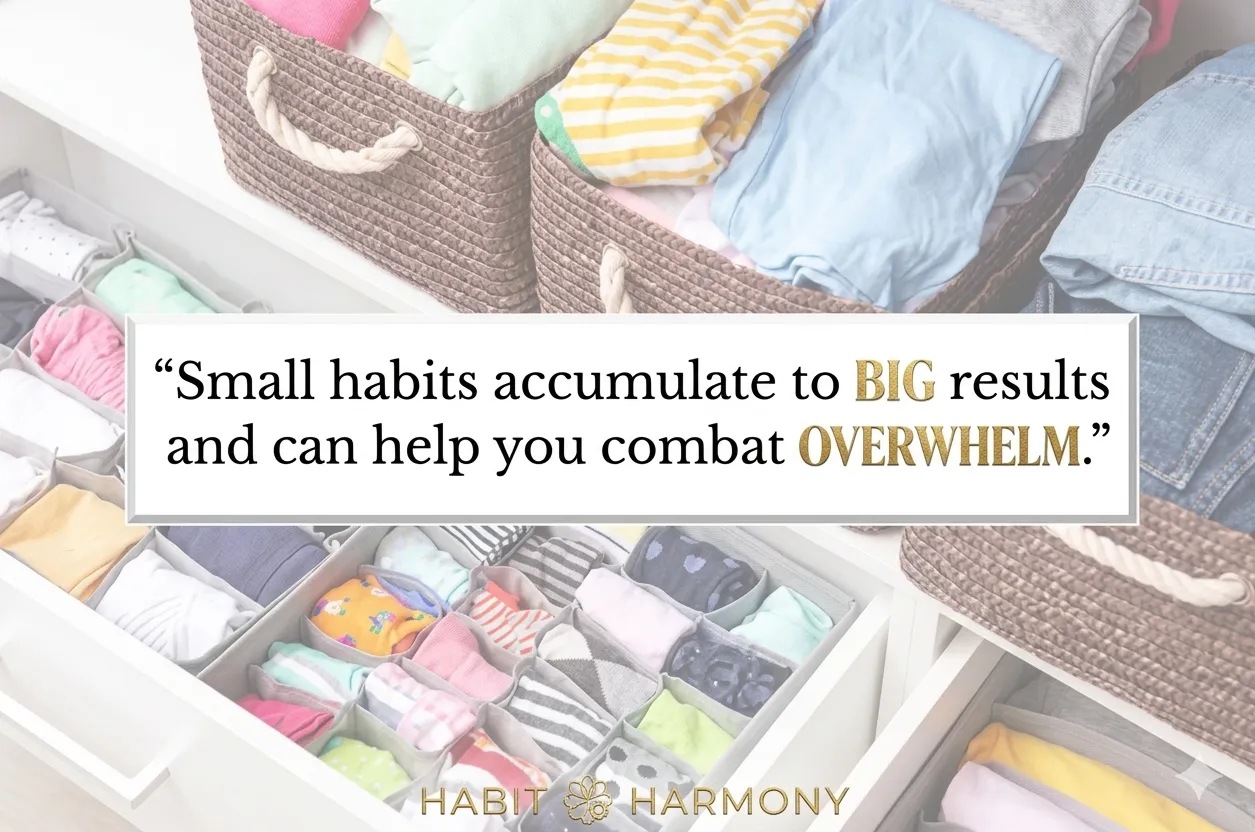
Habits shape your daily life more than big, occasional decisions. When you build simple, intentional routines, they become automatic—saving you time, energy, and mental effort.
Minimalist habits work because they:
- Reduce decision fatigue
- Simplify your environment
- Help you focus on priorities
- Create consistency without stress
As Tony Robbins once said, “It’s not what we do once in a while that shapes our lives, but what we do consistently.”
10 Minimalist Habits to Simplify Your Life

1. Declutter Regularly
Clutter builds up quietly over time. Set aside a small window each week or month to clear out items you no longer need.
Why it works: Keeps your space manageable and intentional.
Start small: Begin with one drawer, shelf, or corner.
2. Follow the One-In, One-Out Rule

Every time you bring something new into your home, remove something old.
Why it works: Prevents clutter from returning.
Pro tip: Apply this to clothes, gadgets—even digital files.
3. Simplify Your Wardrobe
Create a capsule wardrobe with versatile, mix-and-match pieces you actually enjoy wearing.
Why it works: Saves time and reduces decision fatigue.
Start now: Remove items you rarely wear or don’t feel good in.
4. Practice Mindful Shopping
Before buying anything, pause and ask: Do I really need this?
Why it works: Reduces impulse purchases and saves money.
Simple habit: Wait 24 hours before non-essential purchases.
5. Build a Simple Daily Routine
Design a routine around your priorities—work, rest, and personal time.
Why it works: Creates structure and reduces stress.
Tip: Keep it flexible so it adapts to your day.
6. Declutter Your Digital Life
Digital clutter can be just as overwhelming as physical clutter.
Why it works: Improves focus and productivity.
Try this:
- Unsubscribe from unused emails
- Delete old files and apps
- Organize documents into folders
7. Prioritize Experiences Over Things
Shift your focus from buying more to living more. Invest in experiences, relationships, and memories.
Why it works: Experiences bring longer-lasting happiness than possessions.
Example: Travel, hobbies, or quality time with loved ones.
8. Set Clear, Intentional Goals
Minimalism is about clarity. Define what matters most and align your habits with it.
Why it works: Gives direction and purpose.
Start small: Break goals into manageable daily actions.
9. Practice Gratitude Daily
Take a moment each day to appreciate what you already have.
Why it works: Shifts your mindset from scarcity to abundance.
Simple habit: Write down 3 things you’re grateful for each day.
10. Simplify Your Finances
Reduce financial stress by creating simple systems.
Why it works: Gives you control and peace of mind.
Easy steps:
- Automate bills and savings
- Track spending weekly
- Create a realistic budget
How to Get Started with Minimalism
Starting your minimalist journey doesn’t have to be complicated. Here’s a simple roadmap:
- Assess your space: Identify areas that feel cluttered
- Take it slow: Focus on small, consistent changes
- Choose quality over quantity: Buy less, but better
- Find inspiration: Learn from others and adapt ideas to your lifestyle
Common Challenges (And How to Overcome Them)
Emotional Attachment to Items
It’s normal to feel connected to your belongings.
Solution: Take photos to preserve memories without keeping everything.
Fear of Missing Out (FOMO)
Letting go can feel uncomfortable.
Solution: Focus on what you gain—space, clarity, and freedom.
Resistance from Others
Not everyone will embrace minimalism.
Solution: Lead by example and respect different perspectives.
Final Thoughts: Less Really Is More
Minimalism isn’t about deprivation—it’s about intention. It’s about creating space for what truly matters: your time, your energy, and your peace of mind.
You don’t need to adopt all 10 habits at once. Start with just one or two, stay consistent, and build from there. Over time, these small changes will transform your home, your routine, and your life.