
Meta Description:
Learn what a healthy diet is, why it matters, and how to build balanced nutrition. Discover key principles, essential nutrients, and practical tips for lifelong health.
Introduction: Why a Healthy Diet Matters
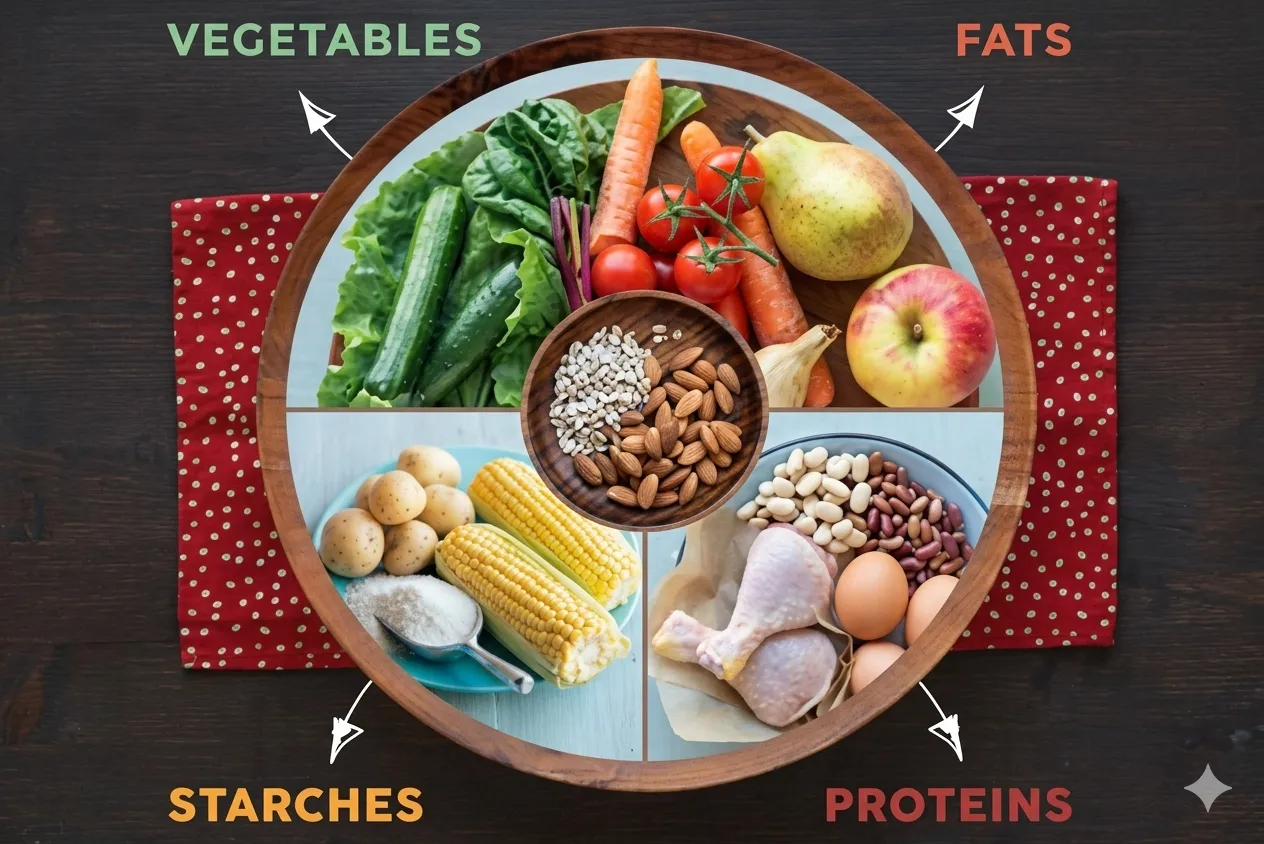
A Healthy Diet is one of the most important factors influencing your overall well-being.
What you eat affects everything—from your energy levels and immune system to your risk of chronic diseases like diabetes, heart disease, and cancer. Poor dietary habits are now one of the leading causes of illness worldwide, while healthy eating can prevent malnutrition and support long-term health.
The good news? Building a healthy diet doesn’t require extreme restrictions—just the right balance, variety, and consistency.
What Is a Healthy Diet?
A healthy diet is one that provides your body with all the nutrients it needs to function properly while minimizing harmful substances.
It typically includes:
- Fruits and vegetables
- Whole grains
- Lean proteins
- Healthy fats
- Adequate hydration
At the same time, it limits:
- Processed foods
- Added sugars
- Excess salt
- Unhealthy fats
A well-balanced diet supports both physical and mental health throughout your life.
The 4 Core Principles of a Healthy Diet

A scientifically sound diet is built on four key principles:
1. Adequacy
Your diet should provide enough essential nutrients (vitamins, minerals, protein, fats, and carbohydrates) to prevent deficiencies.
2. Balance
Energy intake should match energy expenditure, with proper proportions of macronutrients.
3. Moderation
Limit foods that may harm health, such as sugar, salt, and saturated fats.
4. Diversity
Eat a wide variety of foods across all food groups to ensure complete nutrition.
These principles form the foundation of sustainable healthy eating.
Essential Nutrients Your Body Needs
Carbohydrates: Your Main Energy Source
Carbohydrates provide fuel for daily activities and should make up a significant portion of your diet.
Healthy sources include:
- Whole grains (brown rice, oats, wheat)
- Fruits and vegetables
- Legumes like lentils and beans
Aim for 45–75% of daily energy from carbohydrates, focusing on unprocessed sources.
Protein: Building and Repairing the Body
Protein is essential for muscle growth, tissue repair, and enzyme production.
Good sources include:
- Lean meats and fish
- Eggs and dairy
- Plant-based proteins like beans, lentils, and nuts
A balanced intake supports overall body function without overloading metabolism.
Fats: Essential but Choose Wisely
Fats are vital for brain function and hormone production—but quality matters.
Healthy fats:
- Unsaturated fats from fish, nuts, and olive oil
Limit:
- Saturated fats (butter, fatty meat)
- Trans fats (processed foods)
Keep total fat intake below 30% of daily calories.
Vitamins and Minerals: Small but Powerful
Micronutrients are essential for immunity, growth, and disease prevention.
Key nutrients include:
- Vitamin A, C, D, E, K
- Iron, calcium, zinc, iodine
A diverse diet rich in whole foods helps prevent deficiencies and supports optimal health.
Sugar, Salt, and Fiber: What to Watch
Sugar
Limit free sugar intake to less than 10% of daily calories. Excess sugar increases the risk of obesity and metabolic diseases.
Salt (Sodium)
Too much salt raises blood pressure and increases heart disease risk.
Recommended limit:
- Less than 5 grams of salt per day
Fiber
Fiber supports digestion and gut health.
Aim for:
- At least 25 grams per day for adults
Sources include whole grains, fruits, vegetables, and legumes.
The Role of Food Quality
Not all foods are created equal. A healthy diet prioritizes:
- Fresh and minimally processed foods
- Natural ingredients over packaged products
- Whole foods over refined alternatives
Highly processed foods often contain excess sugar, salt, and unhealthy fats, which negatively impact health.
Healthy Eating Across Life Stages
Infants and Children
Early nutrition is critical for growth and brain development.
- Exclusive breastfeeding for the first 6 months
- Gradual introduction of diverse, nutrient-rich foods
- Avoid added sugar and salt
Adults
Balanced nutrition supports energy, productivity, and disease prevention.
- Increase plant-based foods
- Maintain portion control
- Stay physically active
Older Adults
Focus on nutrient-dense foods to maintain strength and immunity.
- Prioritize protein and calcium
- Ensure adequate vitamin intake
- Stay hydrated
How to Build a Healthy Diet in Daily Life
Simple strategies include:
- Eat at least 400g of fruits and vegetables daily
- Choose whole grains instead of refined carbs
- Include a variety of protein sources
- Drink enough water
- Limit processed and fast foods
Consistency is more important than perfection.
The Impact of Lifestyle and Environment
Diet is influenced by many factors:
- Culture and traditions
- Income and food availability
- Personal habits and preferences
- Urbanization and modern lifestyles
Creating a healthy diet requires both individual choices and supportive environments.
Conclusion: Healthy Eating Is a Lifelong Investment
A Healthy Diet is not a short-term plan—it’s a lifelong commitment to your well-being.
By focusing on balance, variety, and moderation, you can:
- Reduce the risk of chronic diseases
- Improve energy and mental clarity
- Support long-term health and longevity
Healthy eating doesn’t have to be complicated. Start with small changes, stay consistent, and build habits that nourish your body every day.