


No matter your fitness goal—fat loss, muscle gain, or strength—progress doesn’t just depend on how hard you train. It depends on how smart you train.
Many people unknowingly sabotage their results by repeating the same common gym mistakes. These errors can slow progress, increase injury risk, and lead to frustration.
In this guide, you’ll learn the 7 most common gym mistakes—and exactly how to fix them for faster, safer, and more effective results.
Why Avoiding Gym Mistakes Matters
Going to the gym is a great first step, but poor habits can hold you back for months—or even years.
Avoiding these mistakes will help you:
- Get results faster
- Reduce injury risk
- Improve performance
- Build long-term consistency
1. Skipping Your Warm-Up

One of the biggest mistakes beginners make is jumping straight into intense workouts.
Why It’s a Problem
- Increases risk of injury
- Reduces strength and performance
- Limits mobility
How to Fix It
Spend 5–10 minutes warming up before every session:
- Light cardio (jump rope, brisk walking)
- Dynamic stretches (arm circles, leg swings)
- Bodyweight movements (squats, lunges)
A proper warm-up prepares your body for better performance.
2. Using Poor Form
Bad technique is one of the fastest ways to get injured—and the slowest way to see results.
Risks of Poor Form
- Muscle imbalances
- Joint strain and injury
- Reduced muscle activation
How to Fix It
- Start with lighter weights
- Focus on controlled movements
- Use mirrors or record yourself
- Ask a trainer for guidance if needed
Always prioritize form over weight.
3. Lifting Too Heavy Too Soon
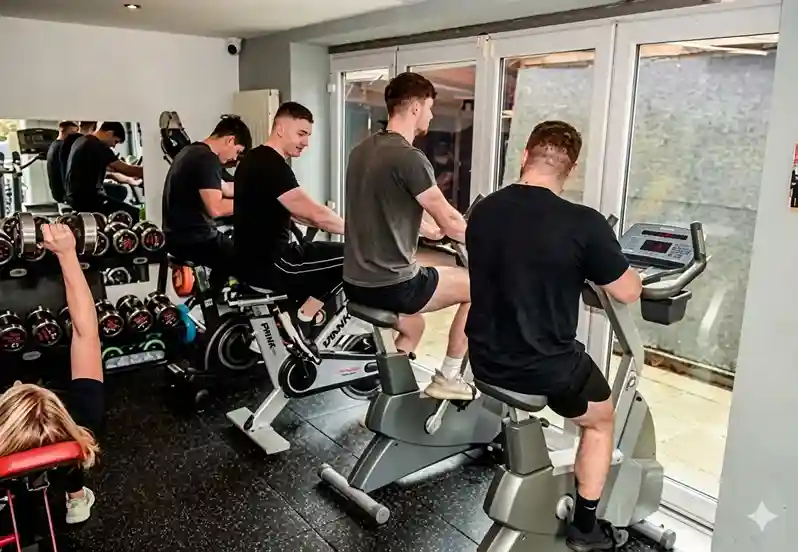
“Ego lifting” is a common trap—trying to lift more than you can handle.
Warning Signs
- Losing control of the movement
- Needing help for most reps
- Incomplete range of motion
Smarter Approach
- Follow progressive overload
- Increase weight gradually
- Stick to a manageable rep range (8–12 reps for muscle growth)
Progress comes from consistency—not rushing.
4. Ignoring Recovery and Rest Days
Many people think more workouts = better results. In reality, recovery is where progress happens.
Why Recovery Matters
- Repairs and builds muscle
- Prevents burnout
- Balances hormones
Best Practices
- Take 1–2 rest days per week
- Sleep 7–9 hours per night
- Include active recovery (walking, stretching, yoga)
Remember: your muscles grow outside the gym.
5. Neglecting Nutrition
You can’t out-train a poor diet.
Common Mistakes
- Not eating enough protein
- Skipping meals
- Overeating “healthy” foods
How to Improve
- Eat protein-rich foods (chicken, eggs, tofu, beans)
- Include complex carbs (oats, rice, quinoa)
- Add healthy fats (nuts, avocado, olive oil)
- Stay hydrated (2–4 liters of water daily)
Nutrition fuels your workouts and recovery.
6. Doing Too Much Cardio
Cardio is great—but too much can actually slow your progress, especially if your goal is muscle gain.
Signs You’re Overdoing It
- Constant fatigue
- Loss of strength
- Minimal muscle growth
Balanced Strategy
- Combine cardio with strength training
- Limit cardio to 30–45 minutes, 3–4 times per week
- Mix steady-state with HIIT workouts
Balance is key to maximizing results.
7. Not Tracking Your Progress
If you’re not tracking, you’re guessing.
Why It Matters
- Helps you stay consistent
- Shows what’s working (and what’s not)
- Keeps you motivated
Tools You Can Use
- Workout journals
- Fitness apps (like StrongLifts or MyFitnessPal)
- Progress photos and measurements
Tracking turns effort into measurable progress.
Bonus Mistake: Lack of Consistency

The biggest mistake of all? Not sticking with it.
How to Stay Consistent
- Schedule workouts like appointments
- Set realistic, achievable goals
- Find workouts you enjoy
- Stay patient
Fitness is not a short-term project—it’s a long-term lifestyle.
Expert Tips to Train Smarter
- Listen to your body—pain is a warning sign
- Focus on learning, not just lifting
- Stay patient—real results take time
- Keep your routine simple and sustainable
Frequently Asked Questions
What’s the most common gym mistake?
Poor form combined with lifting too heavy too soon.
Is it okay to work out every day?
Not usually. Your body needs rest to recover and grow.
How do I know if I’m overtraining?
Signs include fatigue, poor performance, and lack of motivation.
Do I need supplements?
Not necessarily. A balanced diet is the foundation. Supplements can help but aren’t required.
How can I stay consistent?
Set clear goals, track progress, and build a routine you enjoy.
Final Thoughts: Train Smarter, Not Harder
Avoiding these common gym mistakes can make the difference between frustration and real progress.
Focus on:
- Proper form
- Balanced training
- Smart recovery
- Consistent habits
You don’t need to be perfect—you just need to improve over time.
Train smarter, stay consistent, and the results will come.