The Connection Between Mental Health and Physical Health
 Leo Thompson
Posted on
Leo Thompson
Posted on In recent years, science has made one thing increasingly clear: mental health and physical health are deeply interconnected. What happens in your mind can directly influence your body—and vice versa. From stress and sleep to hormones and daily habits, the link between these two aspects of health plays a crucial role in your overall well-being.
If you want to feel better, perform better, and live longer, understanding this connection is essential.
Table of Contents
ToggleWhy Mental and Physical Health Are Connected
Many people think of the mind and body as separate, but in reality, they function as one system. Your brain controls bodily processes, while your body constantly sends signals back to the brain.
Several key systems explain this connection:
- Nervous system: Transmits signals between brain and body, controlling movement, sensation, and automatic functions
- Endocrine system: Releases hormones that regulate mood, metabolism, and energy
- Immune system: Responds to stress and mental states, influencing inflammation and illness risk
- Gut-brain axis: Links digestion with mood, cognition, and emotional balance
Because these systems constantly interact, changes in one area can quickly affect the other.
How Physical Health Impacts Mental Health
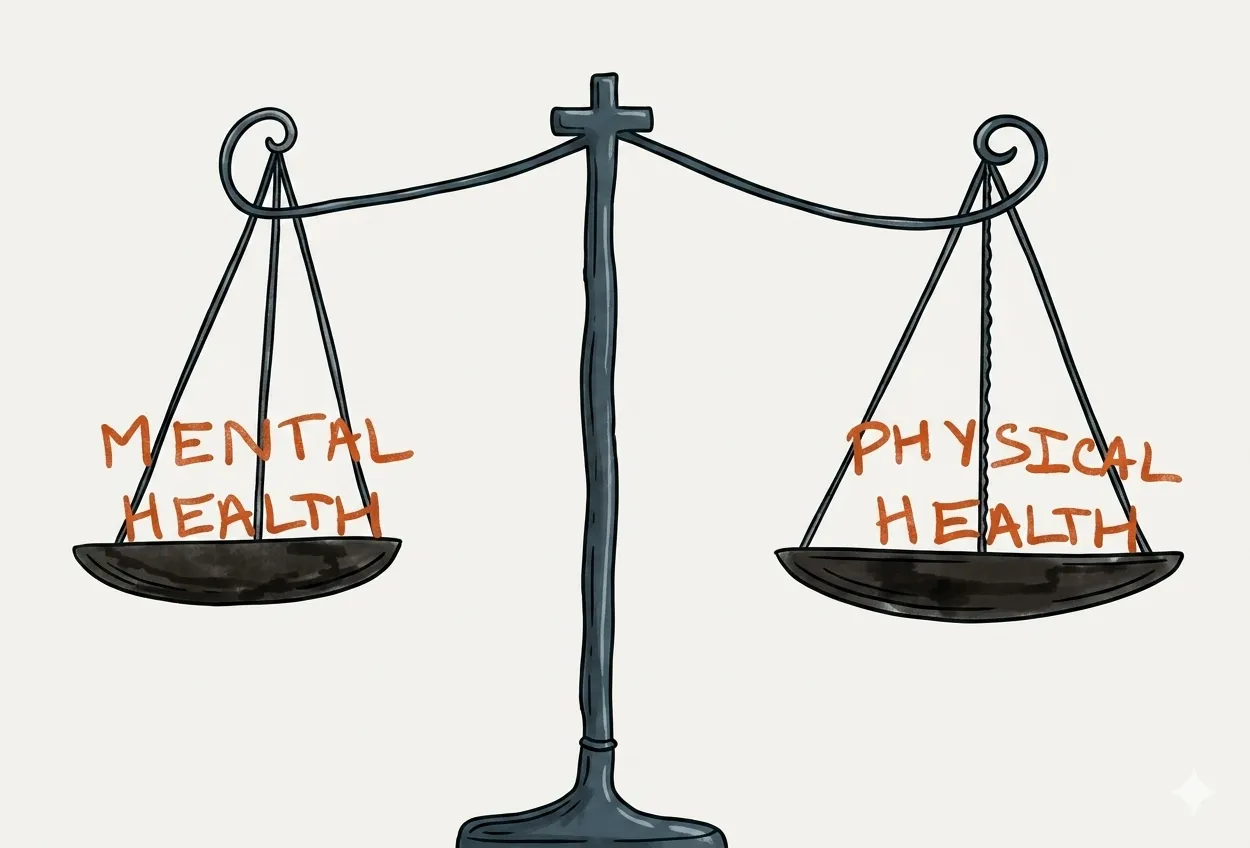
Your physical condition plays a major role in shaping your mood, energy, and cognitive function.
Hormones and Brain Chemistry
Hormones such as dopamine and serotonin are essential for mood regulation. Fluctuations in hormones—like estrogen or cortisol—can significantly affect emotional stability.
- Dopamine influences motivation and reward
- Serotonin helps regulate mood and emotional balance
- Cortisol, the stress hormone, can disrupt multiple body systems when elevated long-term
For example, poor nutrition, lack of exercise, or chronic illness can disrupt these chemical processes, leading to increased anxiety, depression, or fatigue.
Metabolic Health and Mental Well-Being
Conditions like diabetes, high blood pressure, or long-term poor diet can negatively impact brain function. At the same time, chronic stress and mental health disorders can trigger metabolic changes in the body.
This creates a two-way cycle:
- Poor physical health → worsens mental health
- Poor mental health → worsens physical health
Breaking this cycle requires addressing both sides together.
How Mental Health Affects Physical Health
Mental health doesn’t just stay in your head—it shows up in your body.
1. Increased Risk of Chronic Disease
Long-term mental health conditions are linked to higher risks of:
- Heart disease
- Stroke
- Diabetes
- High blood pressure
Chronic stress can lead to inflammation and disrupt vital bodily systems.
2. Poor Lifestyle Habits
Mental health challenges often affect daily behaviors, including:
- Irregular eating patterns
- Lack of physical activity
- Substance use
- Poor sleep quality
These habits compound over time, leading to declining physical health.
3. Sleep Disruption
Sleep is one of the strongest links between mental and physical health. Anxiety, stress, and depression can interfere with sleep, while poor sleep further worsens mood and cognitive performance.
The Role of Stress in Mind-Body Health
Stress is one of the biggest factors connecting mental and physical health.
When stress becomes chronic:
- Cortisol levels remain elevated
- Immune function weakens
- Digestion and metabolism are disrupted
- Cardiovascular strain increases
Over time, unmanaged stress can affect nearly every system in the body.
How to Improve Both Mental and Physical Health
The good news? Because the mind and body are connected, positive changes in one area can improve the other.
1. Exercise Regularly
Physical activity is one of the most powerful tools for improving both mental and physical health.
Benefits include:
- Reduced anxiety and depression
- Improved mood and energy
- Better heart and metabolic health
- Enhanced brain function
Aim for:
- 150–300 minutes of moderate exercise per week
- Strength training at least 2 times per week
2. Eat a Balanced Diet
Nutrition fuels both your body and brain.
Focus on:
- Whole foods (fruits, vegetables, lean protein)
- Healthy fats (nuts, olive oil, avocado)
- Complex carbohydrates (oats, brown rice)
- Adequate hydration (around 3–4 liters daily)
Small, consistent improvements matter more than perfection.
3. Prioritize Rest and Recovery
Recovery is essential for both mental clarity and physical repair.
- Sleep 7–9 hours per night
- Take rest days from intense exercise
- Allow your body time to recharge
4. Practice Mindfulness
Taking time to slow down can significantly reduce stress and improve overall well-being.
Simple ways to start:
- Sit quietly for 10 minutes a day
- Focus on your breathing
- Reduce distractions (phone, TV, noise)
This helps reset your nervous system and improves emotional balance.
5. Start Small and Stay Consistent
You don’t need to overhaul your entire life overnight. In fact, small habits are more effective long-term.
- Begin with short workouts
- Add one healthy meal per day
- Take short breaks to relax
Consistency builds momentum—and momentum drives results.
Key Takeaways
- Mental and physical health are deeply interconnected
- Hormones, stress, and lifestyle habits affect both systems
- Poor health in one area often leads to problems in the other
- Exercise, nutrition, sleep, and mindfulness improve both simultaneously
- Small, consistent habits create long-term change
Final Thoughts
The relationship between mental and physical health isn’t just important—it’s foundational. Instead of treating them separately, the most effective approach is to support both at the same time.
When you move your body, fuel it properly, manage stress, and build healthy habits, you create a powerful cycle of improvement. Your mind gets stronger, your body gets healthier, and your overall quality of life improves.
In the end, true wellness isn’t about choosing between mental or physical health—it’s about recognizing that you can’t have one without the other.
You Might Also Like