

Benefits of Mindfulness: A Complete Guide to Better Mental and Physical Well-Being
 Leo Thompson
Posted on
Leo Thompson
Posted on Mindfulness has become one of the most powerful tools for improving overall well-being. From reducing stress to enhancing memory and strengthening relationships, this simple yet effective practice can transform your daily life.
In this guide, we’ll explore the key benefits of mindfulness, how it works, and what you should consider before incorporating it into your routine.
Table of Contents
ToggleWhat Is Mindfulness?
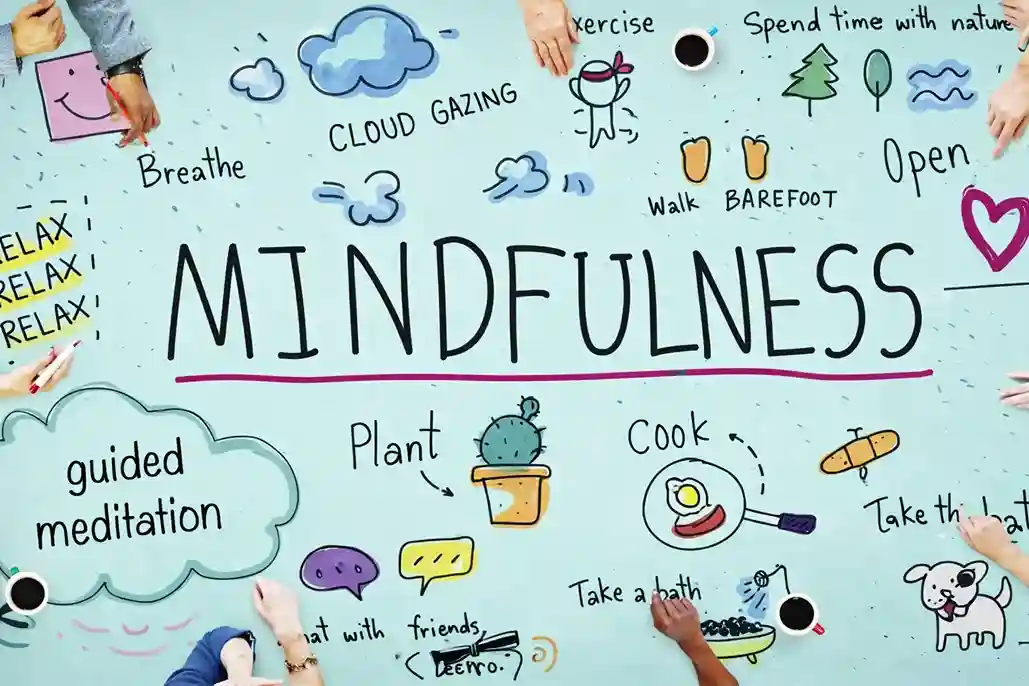
Mindfulness is the practice of focusing your attention on the present moment. It involves being aware of your thoughts, emotions, bodily sensations, and surroundings—without judgment.
Instead of dwelling on the past or worrying about the future, mindfulness helps you stay grounded in the “here and now” with a sense of acceptance.
Key Benefits of Mindfulness
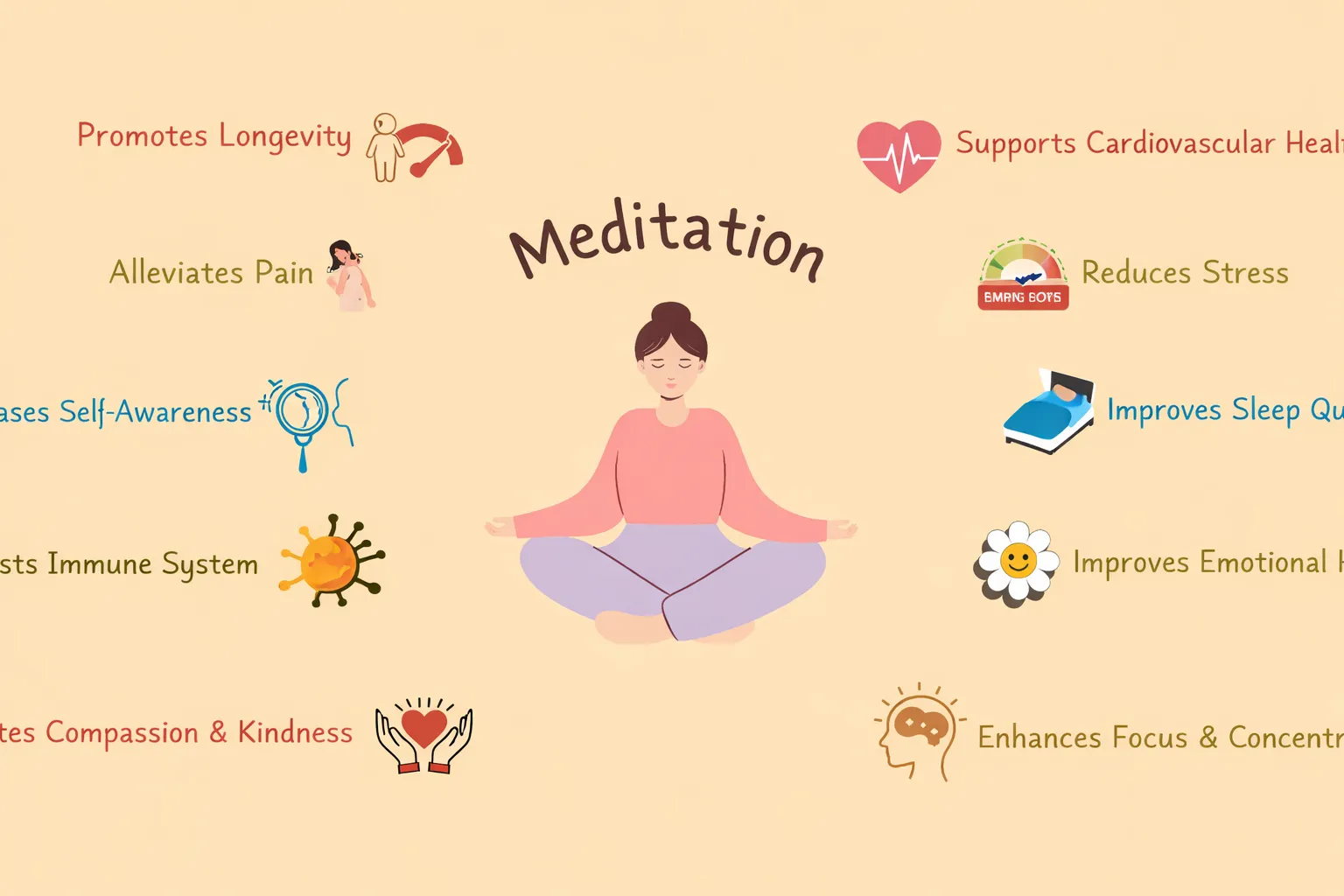
1. Reduces Stress and Anxiety
One of the most well-known benefits of mindfulness is its ability to lower stress and anxiety levels.
Practices such as Mindfulness-Based Stress Reduction (MBSR) combine meditation and gentle movement (like yoga) to help individuals manage stress more effectively. Studies show that mindfulness can:
- Decrease cortisol (stress hormone) levels
- Reduce symptoms of anxiety
- Improve emotional resilience
However, in high-stress emergencies, techniques like deep breathing may work faster, while mindfulness is more effective for long-term stress management.
2. Helps Reduce Depression
Mindfulness is widely used in therapy to help manage depression.
Mindfulness-Based Cognitive Therapy (MBCT) combines mindfulness techniques with cognitive behavioral strategies to help individuals:
- Recognize negative thought patterns
- Prevent relapse of depression
- Improve emotional awareness
Research suggests that MBCT can be as effective as antidepressant medication in preventing recurring depression.
3. Improves Emotional Regulation
Mindfulness strengthens your ability to understand and control your emotions, also known as emotional regulation.
This means you can:
- Respond to situations more calmly
- Avoid emotional overreactions
- Manage difficult feelings more effectively
Therapies like Dialectical Behavior Therapy (DBT) integrate mindfulness with emotional regulation training, helping individuals cope with conditions such as anxiety, depression, and PTSD.
4. Enhances Memory and Brain Function
If you often forget things like appointments or where you left your keys, mindfulness may help.
Studies show that mindfulness can:
- Improve short-term memory
- Reduce mental distractions (proactive interference)
- Support activity in the hippocampus (the brain area linked to memory)
This makes mindfulness especially useful for boosting focus and mental clarity.
5. Boosts Cognitive Performance
Mindfulness doesn’t just calm your mind—it also improves how you think.
Key cognitive benefits include:
- Better focus (sustained attention)
- Improved flexibility in thinking
- Stronger ability to ignore distractions
These skills help you stay productive, solve problems faster, and adapt to changing situations more easily.
6. Strengthens Relationships
Mindfulness can positively impact your personal relationships by helping you become more present and accepting.
People who practice mindfulness tend to:
- Be more accepting of others’ imperfections
- Communicate more effectively
- Feel more satisfied in their relationships
Programs like Mindfulness-Based Relationship Enhancement (MBRE) use mindfulness techniques to improve intimacy and emotional connection.
7. Supports Better Physical Health
Mindfulness isn’t just good for your mind—it benefits your body too.
Research suggests it may help manage symptoms of:
- Chronic pain (e.g., lower back pain)
- Rheumatoid arthritis
- Type 2 diabetes
- Fibromyalgia
- Skin conditions like psoriasis
By reducing stress and improving mood, mindfulness also supports overall physical health, especially for people living with chronic conditions.
Potential Risks and When to Use Caution
While mindfulness offers many benefits, it’s not perfect for everyone.
Some people may experience:
- Increased anxiety
- Emotional discomfort
- Temporary distress or negative thoughts
This is especially true for individuals with a history of trauma or conditions like PTSD.
Important tips:
- Start slowly and practice in short sessions
- Seek guidance from a mental health professional if needed
- Consider working with a trauma-informed therapist
Mindfulness can sometimes make you feel worse before you feel better, especially in the early stages.
How to Start Practicing Mindfulness
If you’re new to mindfulness, here are simple ways to begin:
- Practice 5–10 minutes of daily meditation
- Focus on your breathing
- Pay attention to everyday activities (eating, walking, etc.)
- Use guided meditation apps or videos
Consistency is key—small daily habits can lead to meaningful improvements over time.
Final Thoughts
Mindfulness is a powerful tool for improving mental clarity, emotional balance, and overall health. From reducing stress and depression to boosting memory and strengthening relationships, its benefits are supported by research.
However, it is not a one-size-fits-all solution. Approach it with awareness, patience, and the right support if needed.
With regular practice, mindfulness can become a sustainable habit that helps you feel calmer, more focused, and more connected to yourself and others.
You Might Also Like