
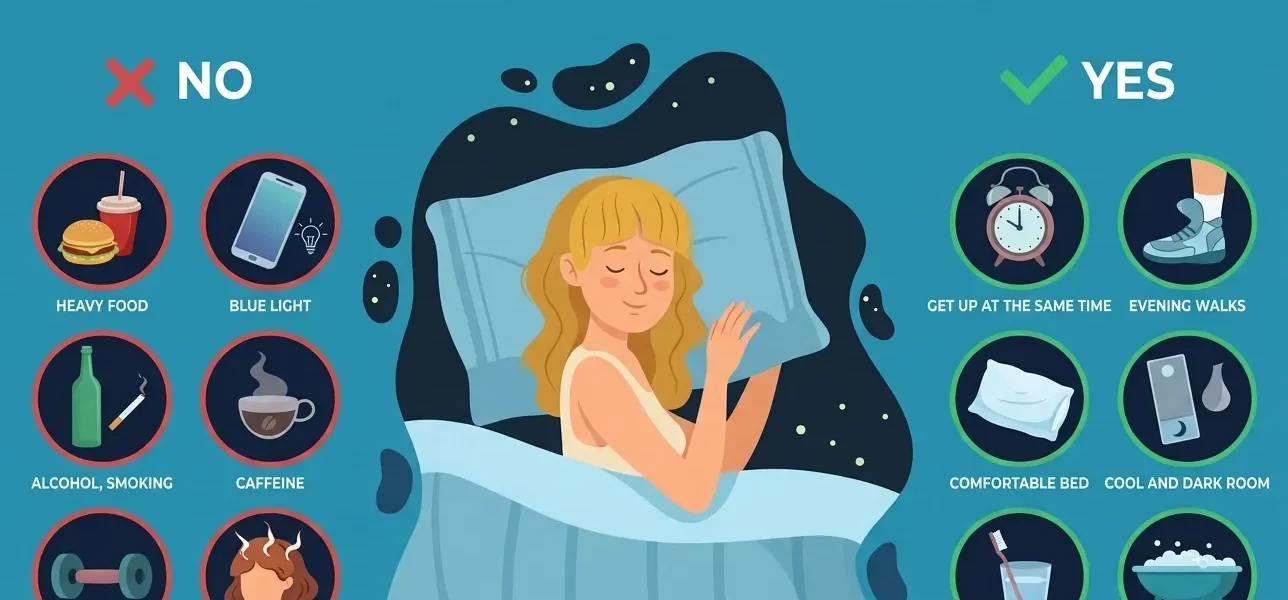

Struggling to fall asleep or stay asleep? You’re not alone. Millions of adults deal with poor sleep quality, often caused by stress, overstimulation, or inconsistent habits. The good news is that a well-designed nighttime routine can dramatically improve your sleep—and your overall health.
In this SEO-optimized guide, you’ll discover 22 powerful ways to transform your nighttime routine, reduce stress, and create the perfect conditions for deep, restorative sleep.
Why Your Nighttime Routine Matters
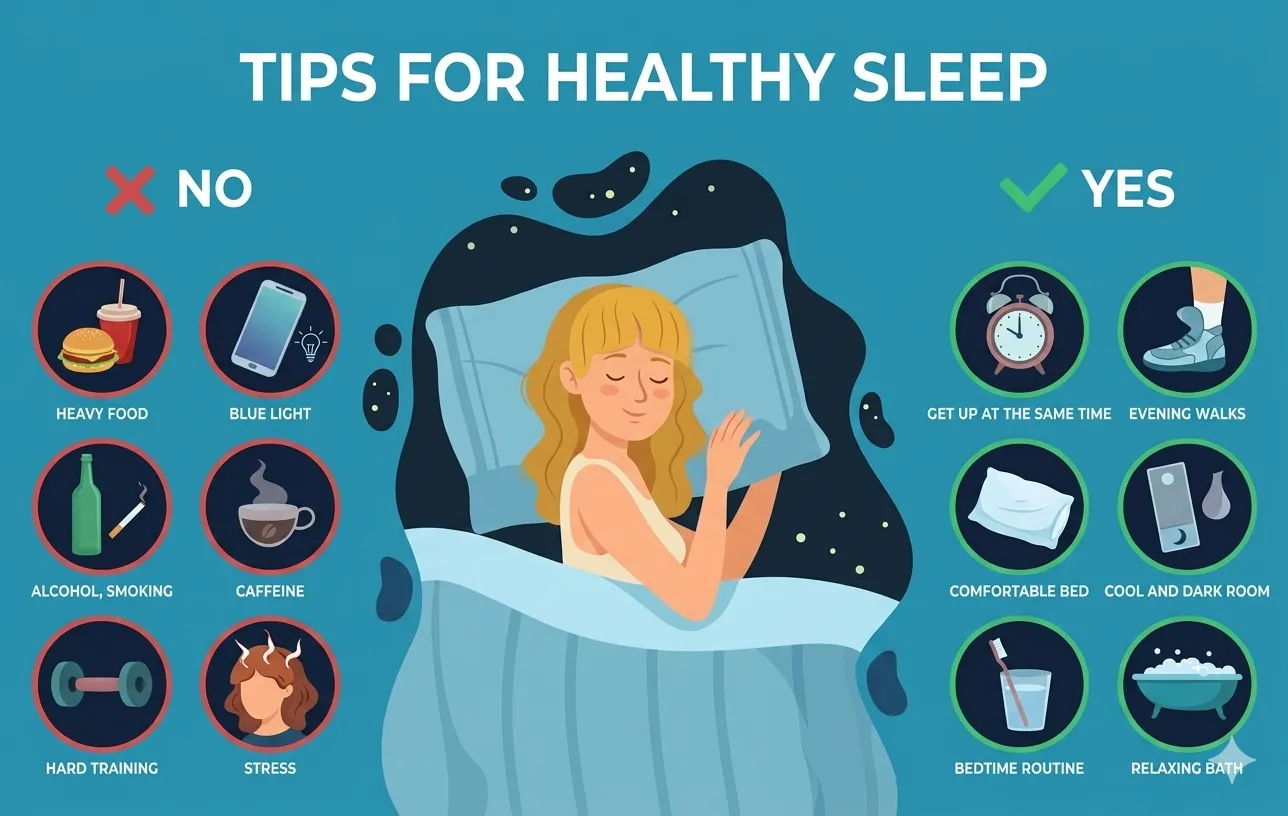
Your evening habits play a crucial role in how quickly you fall asleep and how well you rest. A consistent routine signals your brain that it’s time to wind down, helping regulate your internal clock and improve sleep quality.
By making small, intentional changes, you can:
- Fall asleep faster
- Stay asleep longer
- Wake up feeling refreshed
- Reduce stress and anxiety
1. Prepare for Tomorrow in Advance

Simple ideas:
- Pack your bag or lunch
- Lay out your clothes
- Keep essentials (keys, wallet) in one place
2. Write a To-Do List
Spending just 5 minutes writing down tomorrow’s tasks can ease anxiety and prevent overthinking at night. It helps your brain “let go” instead of replaying responsibilities while you’re trying to sleep.
3. Journal to Clear Your Mind
Journaling allows you to release stress and process emotions before bed. Writing down worries—or even possible solutions—can help you feel calmer and more in control.
4. Cut Off Caffeine Early
Caffeine can stay in your system for up to 6 hours. Avoid coffee, tea, or energy drinks after lunch to prevent sleep disruption later in the night.
5. Avoid Intense Evening Workouts
Exercise is great for sleep—but not right before bed. High-intensity workouts increase heart rate and body temperature, making it harder to fall asleep.
Instead, try:
- Light stretching
- Gentle yoga
- Evening walks
6. Practice Meditation
Mindfulness meditation helps calm your thoughts and reduce stress. Even 5–10 minutes of deep breathing can signal your body to relax and prepare for sleep.
7. Listen to Calming Music
Soft, slow music can lower stress levels and improve mood. Choose relaxing tunes or ambient sounds to create a peaceful nighttime atmosphere.
8. Limit Screen Time Before Bed
Phones, tablets, and TVs emit blue light, which interferes with melatonin production—the hormone that controls sleep.
Try to:
- Stop using screens at least 1 hour before bed
- Switch to reading or offline activities
9. Replace Screen Time with Relaxing Hobbies
Instead of scrolling, choose calming activities like:
- Reading a book
- Drawing or coloring
- Solving puzzles
These help your brain unwind naturally.
10. Build a Family or Connection Ritual
Spending time with loved ones before bed can boost emotional well-being and reduce stress.
Ideas include:
- Sharing highlights of your day
- Reading together
- Light conversations
11. Prioritize Intimacy
Physical closeness—such as cuddling or intimacy—can release oxytocin, a hormone that promotes relaxation and better sleep.
12. Create a Hygiene Ritual
Turn basic hygiene into a calming ritual:
- Wash your face slowly and mindfully
- Take your time brushing your teeth
- Focus on relaxing your body
13. Take a Warm Bath or Shower
A warm bath about 1–2 hours before bed helps lower your body temperature afterward, signaling your body it’s time to sleep.
14. Dim the Lights
Lowering light levels in the evening helps your body naturally prepare for sleep. Switch to soft, warm lighting instead of bright overhead lights.
15. Use Aromatherapy
Scents like lavender or cedarwood can promote relaxation and better sleep. Use:
- Essential oil diffusers
- Pillow sprays
- Scented candles
16. Optimize Your Sleep Environment
Create a bedroom that encourages rest:
- Keep it cool, dark, and quiet
- Use blackout curtains
- Remove clutter
17. Upgrade Your Bedding
Comfortable pillows and clean sheets make a big difference. Choose breathable fabrics and adjust layers based on temperature.
18. Wear Comfortable Sleepwear
Your pajamas should feel soft and breathable. Avoid tight or uncomfortable clothing that may disrupt your sleep.
19. Use a Fan or White Noise
A fan can cool your room and create white noise, helping block out distractions and improve sleep quality.
20. Practice Visualization
Imagine peaceful scenes like a beach or forest. Visualization helps distract your mind from stress and encourages relaxation.
21. Try Progressive Muscle Relaxation
Tense and relax each muscle group slowly. This technique reduces physical tension and prepares your body for rest.
22. Accept Imperfect Sleep
If you can’t fall asleep, don’t stress about it. Accepting wakefulness can actually reduce anxiety and help you drift off naturally.
What to Avoid Before Bed
To protect your sleep quality, avoid:
- Staying in bed while fully awake
- Oversleeping or inconsistent sleep schedules
- Stimulating activities late at night
Final Thoughts
Improving your sleep doesn’t require drastic changes. By building a consistent and calming nighttime routine, you can train your body to relax, fall asleep faster, and wake up feeling energized.
Start small—pick 2–3 habits from this list and build from there. Over time, these simple changes can transform not just your sleep, but your overall health and daily performance.
Keywords: nighttime routine, better sleep tips, sleep hygiene, bedtime habits, improve sleep quality, healthy sleep routine