

How to Improve Your Health: 18 Science-Backed Habits for a Better Life
 Leo Thompson
Posted on
Leo Thompson
Posted on Improving your health doesn’t require a complete lifestyle overhaul. In fact, small, consistent changes can create powerful long-term results. Whether your goal is to boost energy, prevent illness, or simply feel better day-to-day, this guide breaks down simple, evidence-based strategies you can start using right away.

Getting outside is one of the easiest ways to improve both physical and mental health. Research suggests that exposure to natural environments can reduce stress, support immune function, and improve overall well-being.
You don’t need anything complicated—take a walk, visit a park, start a garden, or simply sit outdoors. The key is consistency.
Table of Contents
Toggle2. Support Your Gut with Probiotics
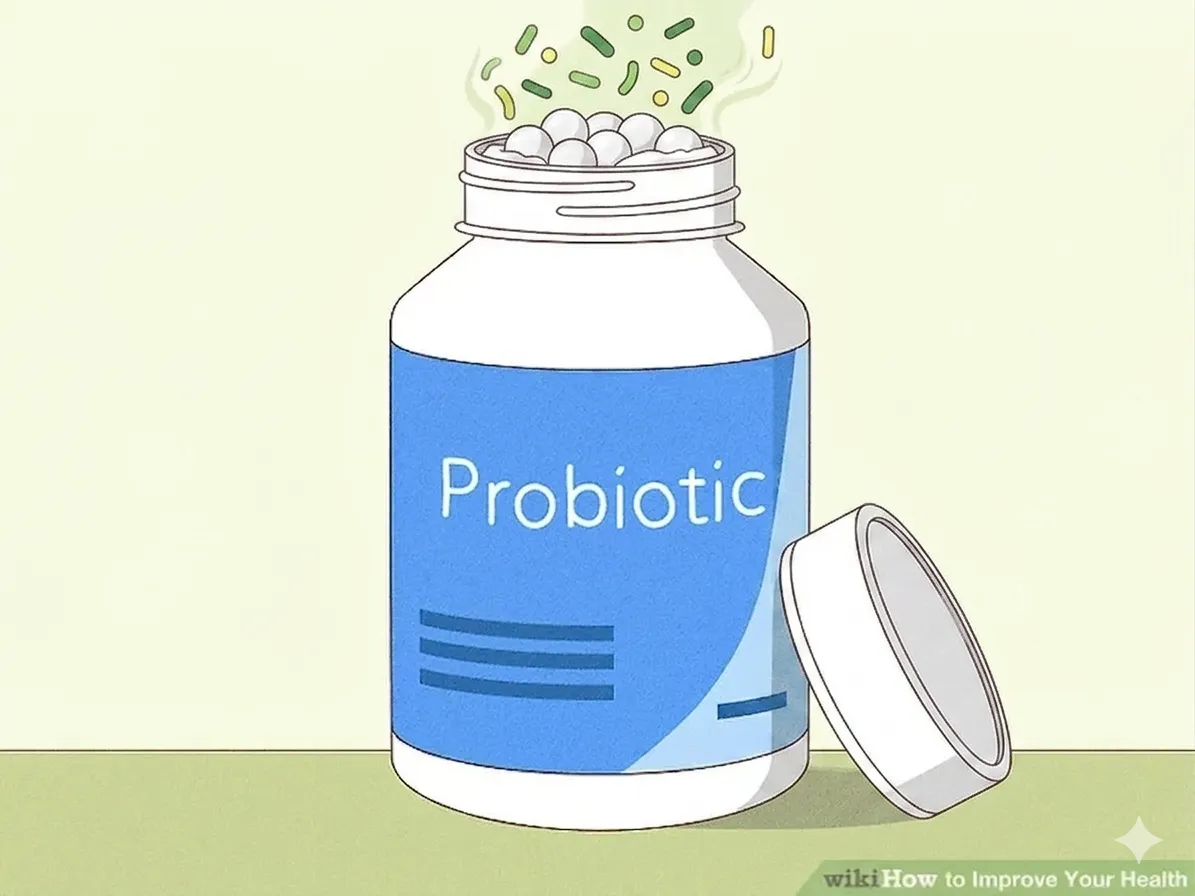
Your gut plays a central role in digestion, immunity, and even mental health. Taking a probiotic supplement may help restore balance by introducing beneficial bacteria.
A healthy gut microbiome has been linked to better digestion, stronger immunity, and improved mood. However, always consult a healthcare professional if you have underlying conditions.
3. Add Fresh Herbs to Your Diet
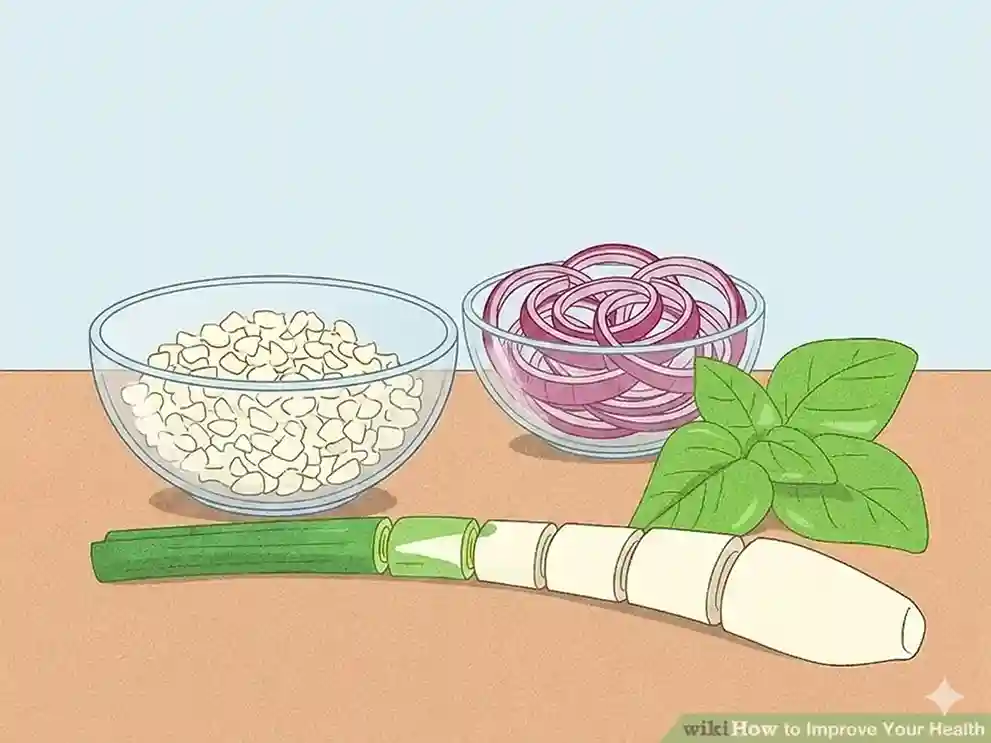
Fresh herbs aren’t just for flavor—they’re packed with antioxidants and beneficial compounds that may help reduce inflammation and support overall health.
Incorporate herbs like garlic, basil, rosemary, or mint into your meals to enhance both taste and nutrition.
4. Eat a Balanced, Nutrient-Dense Diet
A healthy diet is the foundation of good health. Focus on whole foods such as:
- Lean proteins
- Whole grains
- Fruits and vegetables
- Healthy fats
Limit processed foods, refined sugars, and unhealthy fats. Variety is essential to ensure your body gets all the nutrients it needs.
5. Stay Hydrated
Water is essential for nearly every function in your body—from regulating temperature to supporting digestion.
General daily recommendations:
- Men: ~3.7 liters (15.5 cups)
- Women: ~2.7 liters (11.5 cups)
Carry a water bottle and drink regularly throughout the day to stay hydrated.
6. Prioritize 7–9 Hours of Sleep
Sleep is critical for recovery, brain function, and overall health. Aim for 7–9 hours per night and try to maintain a consistent sleep schedule.
Going to bed and waking up at the same time each day helps regulate your body’s internal clock and improves sleep quality.
7. Improve Your Sleep Hygiene
Quality matters just as much as quantity when it comes to sleep. To improve your sleep hygiene:
- Keep your bedroom cool and dark
- Avoid screens at least 1 hour before bed
- Limit caffeine and heavy meals in the evening
- Create a relaxing bedtime routine
These habits promote deeper, more restorative sleep.
8. Move More Throughout the Day
You don’t need a full workout to stay active. Small movements throughout the day add up:
- Take the stairs
- Walk during phone calls
- Stretch every 30 minutes
- Park farther away
Consistency is more important than intensity.
9. Get 150 Minutes of Cardio Weekly
Regular aerobic exercise supports heart health, weight management, and mental well-being.
Aim for:
- 150 minutes of moderate activity, or
- 75 minutes of vigorous activity per week
Activities like walking, cycling, swimming, or dancing all count.
10. Do Strength Training Twice a Week
Strength training helps build muscle, improve metabolism, and maintain bone density.
Focus on all major muscle groups and aim for 2–3 sessions per week using weights, resistance bands, or bodyweight exercises.
11. Manage Stress Effectively
Chronic stress can negatively impact your immune system, digestion, sleep, and mental health.
Effective stress-management techniques include:
- Exercise
- Meditation and mindfulness
- Deep breathing
- Journaling
Even a few minutes a day can make a difference.
12. Wash Your Hands Regularly
Good hygiene is one of the simplest ways to prevent illness. Wash your hands with soap and water for at least 20 seconds, especially:
- Before eating
- After using the restroom
- After contact with animals
This habit significantly reduces the spread of infections.
13. Try Dry Brushing (Optional)
Dry brushing may help exfoliate the skin and stimulate circulation. Use a natural bristle brush and apply gentle strokes toward the heart before showering.
Start slowly (1–2 times per week) and adjust based on your skin’s sensitivity.
14. Drink Alcohol in Moderation
Moderate alcohol consumption—such as an occasional glass of red wine—may offer some cardiovascular benefits due to antioxidants.
However, excessive intake increases health risks. If you don’t drink, there’s no need to start.
15. Keep Your Brain Active
Mental fitness is just as important as physical health. Activities like puzzles, chess, or strategy games can improve memory and cognitive function.
Engage your brain daily to help maintain long-term mental sharpness.
16. Improve Your Posture
Poor posture can lead to muscle imbalances, pain, and reduced mobility.
Check your posture regularly:
- Keep your spine neutral
- Relax your shoulders
- Engage your core
- Keep your head aligned
Small corrections throughout the day can lead to lasting improvements.
17. Get Regular Health Checkups
Routine medical checkups help detect potential issues early. Even if you feel fine, annual screenings are important for prevention and long-term health.
If you notice unusual symptoms, don’t delay seeking medical advice.
18. Quit Smoking
Smoking is one of the most harmful habits for your health. Quitting can significantly reduce your risk of heart disease, cancer, and lung conditions.
While challenging, many tools—like nicotine replacement therapy and support programs—can help you succeed.
Final Thoughts
Improving your health doesn’t happen overnight—but it doesn’t have to be complicated either. By focusing on small, sustainable habits like better nutrition, regular movement, quality sleep, and stress management, you can build a healthier, more energetic life over time.
Start with one or two changes today, stay consistent, and let those small wins build into lasting transformation.
You Might Also Like