
How to Lose Weight Without Counting Calories (17 Simple, Sustainable Tips)
 Leo Thompson
Posted on
Leo Thompson
Posted on Trying to lose weight but tired of tracking every calorie? You’re not alone. While calorie counting can work, it’s not the only path to success—and for many people, it’s not the most sustainable one either.
The good news: you can lose weight without counting calories by focusing on simple, science-backed habits that naturally help you eat less and move more—without obsession or restriction.
In this guide, you’ll learn how weight loss works and discover 17 practical tips to help you reach your goals in a balanced, realistic way.
Table of Contents
ToggleWeight Loss 101: Do You Need to Count Calories?
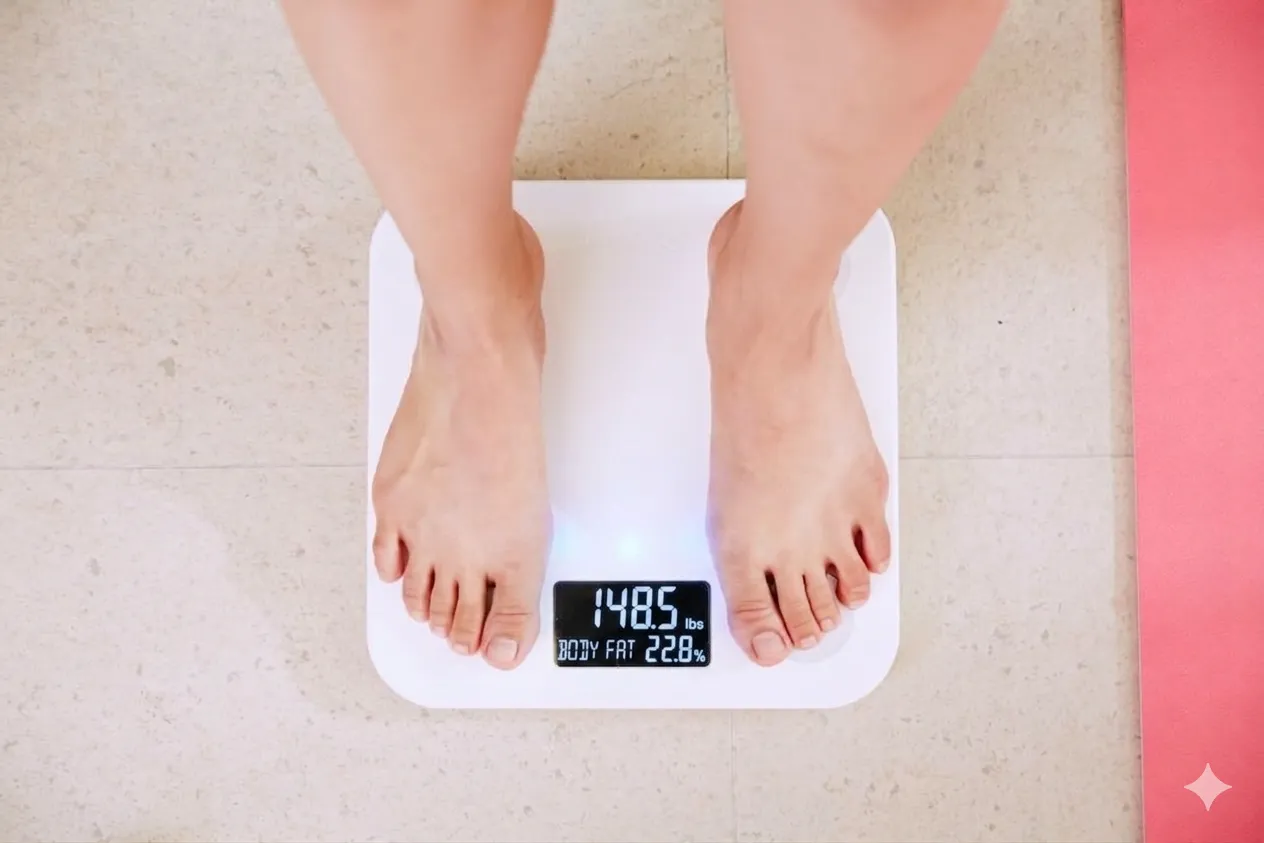
At its core, weight loss happens when you create a calorie deficit—burning more energy than you consume.
But here’s the key insight:
You don’t have to track calories to create that deficit.
By improving your habits—like eating more filling foods, managing hunger, and moving more—you can naturally reduce calorie intake without measuring everything.
And even better? This approach is often more sustainable long-term.
17 Ways to Lose Weight Without Counting Calories
1. Choose Minimally Processed Foods
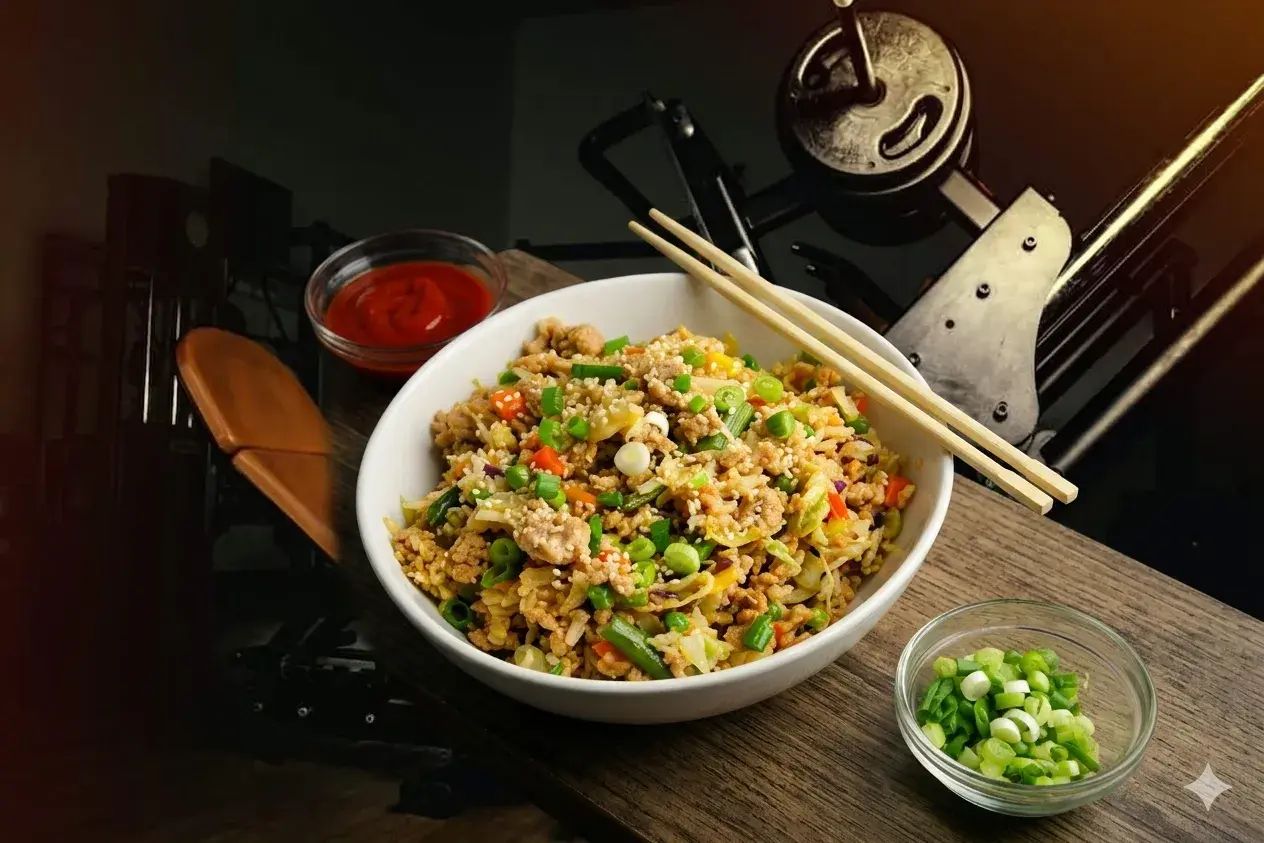
Focus on whole, nutrient-dense foods like:
- Fruits and vegetables
- Whole grains
- Lean proteins
- Nuts and seeds
These foods are naturally more filling and lower in calories compared to ultra-processed options.
2. Drink More Water
Liquid calories add up quickly without making you feel full.
Replace sugary drinks (soda, sweetened coffee, juices) with:
- Water
- Unsweetened tea
- Black coffee
3. Track Progress (Beyond the Scale)
Weight isn’t the only measure of success.
Try tracking:
- How your clothes fit
- Energy levels
- Strength or fitness progress
- Eating habits
4. Eat More Protein
Protein helps:
- Keep you full longer
- Reduce cravings
- Stabilize blood sugar
Good sources include eggs, chicken, fish, yogurt, tofu, beans, and lentils.
5. Don’t Skip Breakfast
Skipping meals can lead to overeating later.
Start your day with a balanced breakfast that includes protein and fiber to control hunger.
6. Fill Up on Fruits and Vegetables
These foods are:
- High in fiber and water
- Low in calories
- Very satisfying
They help you eat larger portions while consuming fewer calories.
7. Increase Your Fiber Intake
Fiber supports:
- Fullness
- Digestion
- Stable energy levels
Add foods like oats, beans, whole grains, fruits, and vegetables.
8. Listen to Hunger and Fullness Cues
Your body doesn’t need the same amount of food every day.
Learn to:
- Eat when you’re hungry
- Stop when you’re comfortably full
9. Build Muscle (Strength Training)
Muscle burns more energy than fat—even at rest.
Strength training helps:
- Increase metabolism
- Improve body composition
10. Move More Throughout the Day
You don’t need intense workouts to see results.
Try:
- Taking the stairs
- Walking more
- Standing instead of sitting
Small movements add up over time.
11. Improve Your Relationship with Food
Avoid the “all-or-nothing” mindset.
Instead:
- Allow flexibility
- Stop labeling foods as “good” or “bad”
- Focus on balance
12. Practice Mindful Eating
Eating while distracted can lead to overeating.
Try to:
- Eat without screens
- Slow down
- Pay attention to your food
- 13. Get Enough Sleep
Poor sleep can:
- Increase hunger hormones
- Trigger cravings
- Reduce energy
Aim for 7–9 hours per night.
14. Eat Before You’re Extremely Hungry
Waiting too long to eat can lead to overeating.
Eat every 3–4 hours to maintain stable energy and appetite.
15. Identify Unhelpful Habits
Notice patterns like:
- Late-night snacking
- Emotional eating
- Eating out of boredom
Understanding triggers helps you make better choices.
16. Enjoy “Fun Foods” in Moderation
You don’t have to eliminate treats.
Instead:
- Choose your favorites intentionally
- Skip foods you don’t truly enjoy
This prevents feelings of restriction.
17. Cook More Meals at Home
Home-cooked meals are typically:
- Lower in calories
- More nutritious
- Easier to portion control
Even small increases in home cooking can make a big difference.
Key Takeaways
- You can lose weight without counting calories
- Focus on habits, not perfection
- Prioritize whole foods, protein, fiber, and movement
- Build a routine that’s realistic and sustainable
Final Thoughts
Weight loss doesn’t have to be strict, stressful, or obsessive.
By making small, consistent changes—like eating more whole foods, listening to your body, and staying active—you can achieve lasting results without tracking every bite.
Start with just 2–3 habits from this list, build from there, and let progress happen naturally.
Because the best weight loss plan isn’t the strictest one—it’s the one you can actually stick to.
You Might Also Like