
Struggling to lose weight even when you’re eating “healthy”? The problem might not be what you eat—but how much. Portion control is one of the most powerful (and underrated) tools for sustainable weight loss.
In this SEO-optimized guide, you’ll discover 15 science-backed strategies to control portion sizes, reduce calorie intake naturally, and build a healthier relationship with food—without feeling deprived.
Why Portion Control Matters for Weight Loss
Before diving into strategies, it’s important to understand why portion control works:
- Calorie Management: Even nutritious foods can lead to weight gain if eaten in large amounts
- Better Digestion: Moderate portions improve nutrient absorption
- Stable Blood Sugar: Helps prevent cravings and energy crashes
- Mindful Eating: Encourages awareness of hunger and fullness
- Long-Term Success: Easier to maintain than restrictive diets
Bottom line: Portion control helps you create a calorie deficit without obsessively counting calories.
15 Proven Ways to Control Portion Sizes
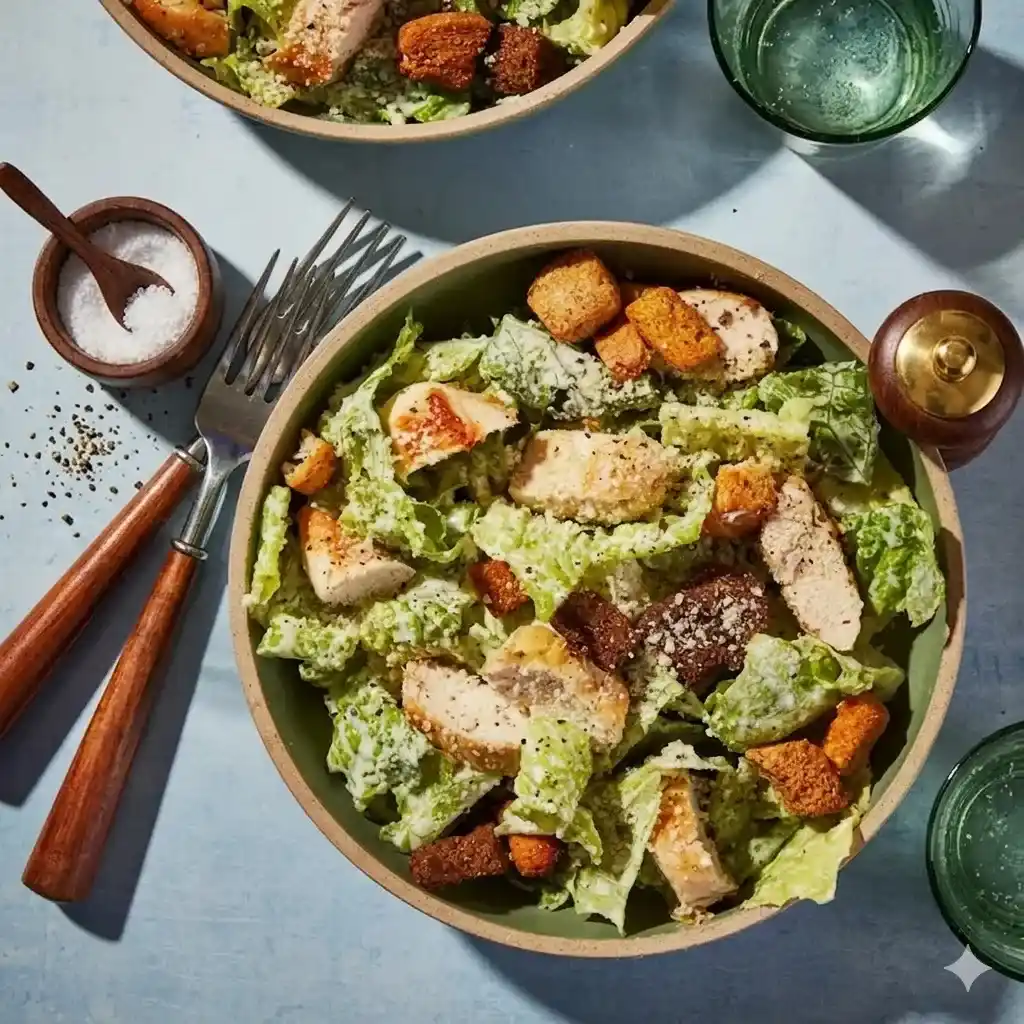
1. Fill Half Your Plate with Vegetables
Vegetables are low in calories but high in fiber and water, helping you feel full longer.
Tip: Aim for colorful veggies—more color = more nutrients.
2. Use Smaller Plates and Bowls
Larger plates trick your brain into thinking portions are smaller.
Try this: Switch from a 12-inch plate to a 10-inch plate to reduce intake naturally.
3. Don’t Wait Until You’re Starving

Extreme hunger leads to overeating.
Solution: Eat every 3–4 hours to stay in control.
4. Follow the 20-Minute Rule
It takes about 20 minutes for your brain to register fullness.
Tip: Eat slowly, chew thoroughly, and pause between bites.
5. Avoid Eating Straight from Packages
Eating from bags or boxes makes it easy to lose track.
Better approach: Portion snacks into a bowl before eating.
6. Use Your Hand as a Portion Guide
No measuring tools? No problem.
- Protein = palm size
- Carbs = fist size
- Fats = thumb size
- Veggies = cupped hand
7. Drink Water Before Meals
A glass of water before eating helps reduce hunger and calorie intake.
Tip: Drink 250–350ml water 20 minutes before meals.
8. Practice Mindful Eating
Eating while watching TV or scrolling leads to overeating.
Fix: Focus fully on your meal—taste, texture, and satisfaction.
9. Scan All Food Options First
At buffets or parties, people tend to overfill plates impulsively.
Smart move: Look at everything first, then choose intentionally.
10. End Meals with a Palate Cleanser
Reduce dessert cravings naturally.
Ideas:
- Herbal tea (peppermint, ginger)
- Fennel seeds
- Warm water with lemon
11. Measure Portions (At First)
Using measuring cups or a food scale helps build awareness.
Do this for 2–3 weeks, then rely on visual estimation.
12. Avoid Double Carbs
Eating rice and bread in one meal doubles calorie intake.
Rule: Stick to one main carb source per meal.
13. Pre-Portion Snacks and Leftovers
Avoid overeating by preparing single servings in advance.
Tip: Divide snacks into small containers right after shopping.
14. Track What You Eat
Food tracking increases awareness and accountability.
Options:
- Apps
- Food journal
- Photos of meals
15. Follow the Plate Method
A simple visual guide:
- ½ plate: Vegetables
- ¼ plate: Protein
- ¼ plate: Carbs
- Small portion: Healthy fats
Common Portion Control Mistakes
Avoid these pitfalls:
- Cleaning your plate out of habit
- Eating leftovers from others’ plates
- Letting portions gradually increase
- Ignoring calorie-dense foods like oils and desserts
Portion Control When Eating OutRestaurant meals are often 2–3x larger than needed. Here’s how to stay on track:
- Share meals
- Order appetizers instead of mains
- Ask for a takeaway box early
- Request sauces on the side
Understanding Energy Density
Energy density = calories per gram of food.
Low-energy foods (eat more):
- Vegetables
- Fruits
- Broth-based soups
High-energy foods (limit portions):
- Fried foods
- Desserts
- Oils and nuts
Quick FAQ
How fast will I see results?
Most people notice changes within 1–2 weeks, with steady fat loss over time.
Will I feel hungry?
Not if you:
- Eat enough protein
- Increase fiber
- Stay hydrated
Do I need to control all foods equally?
No. Focus more on calorie-dense foods, less on vegetables.
Conclusion: Small Changes, Big Results
Portion control isn’t about restriction—it’s about balance.
By applying just a few of these strategies consistently, you can:
- Lose weight sustainably
- Improve your eating habits
- Enjoy your favorite foods without guilt
Start simple. Pick 2–3 tips from this list and build from there.