


Meta Description
Discover sleep science, how sleep cycles work, and why quality sleep is essential for brain function, physical health, and overall wellbeing.
Introduction: Why Sleep Science Matters
Millions of people struggle with poor sleep every night, affecting their energy, mood, and health. Understanding sleep science helps explain why sleep is not just rest—it is a vital biological process.
During sleep, your body and brain perform essential functions such as repairing tissues, processing memories, and restoring energy. Without quality sleep, nearly every system in your body is negatively affected.
Sleep is essential for physical health, mental clarity, and emotional balance.
What Is Sleep Science?
Sleep science studies how sleep works and how it affects the body and brain.
Sleep is controlled by the circadian rhythm, your internal body clock that determines when you feel awake or tired.
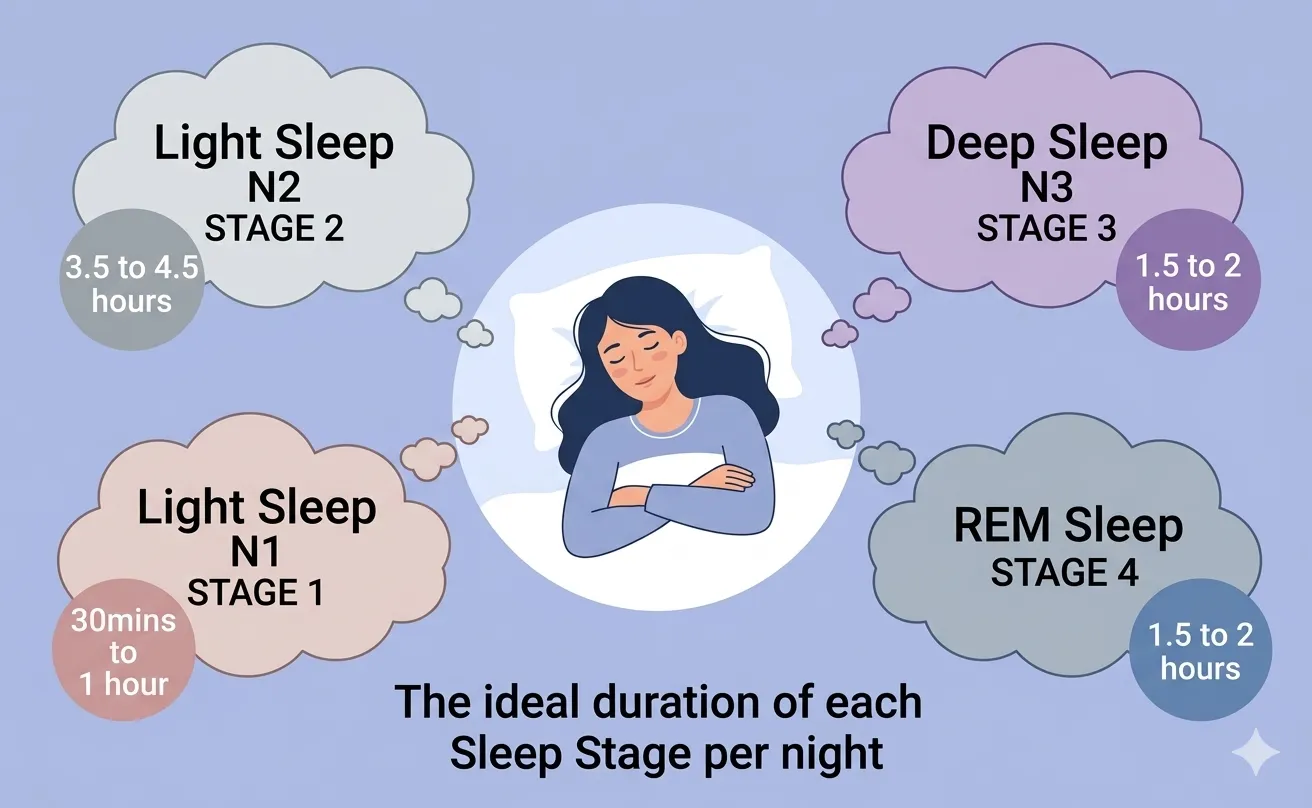
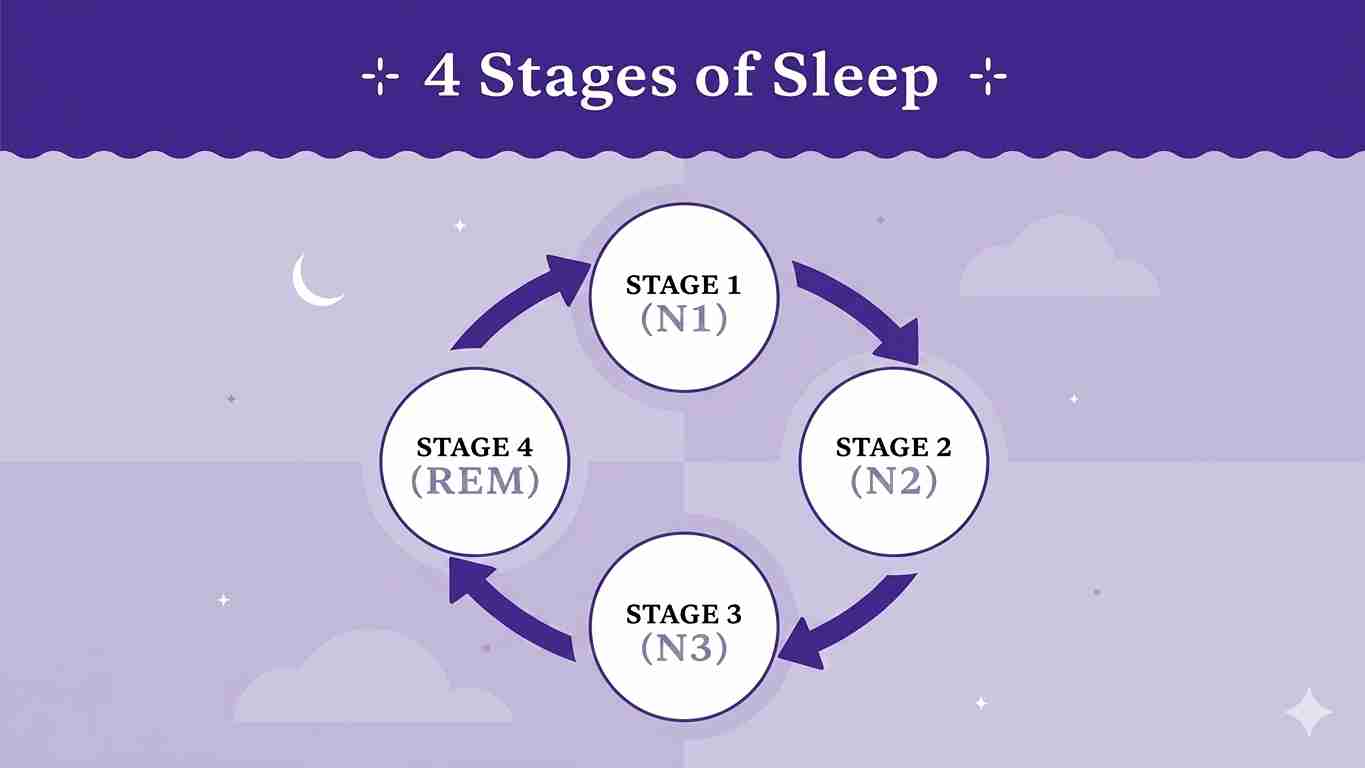
Each night, sleep occurs in cycles of about 90 minutes, including:
- Non-REM (NREM) sleep
- REM (Rapid Eye Movement) sleep
Each stage plays a crucial role in maintaining overall health.
Sleep Stages Explained
Light Sleep (NREM Stage 1–2)
This is the transition between wakefulness and deeper sleep.
During this stage:
- Heart rate slows
- Body temperature drops
- Muscles relax
It prepares the body for deeper sleep.
Deep Sleep (NREM Stage 3)
Deep sleep is the most important stage for physical recovery.
During deep sleep:
- Tissues and muscles repair
- Growth hormones are released
- The immune system strengthens
- Energy is restored
This stage is essential for long-term physical health.
REM Sleep (Dream Stage)
REM sleep is when brain activity increases and dreaming occurs.
During REM sleep:
- The brain processes emotions
- Memories are stored
- Learning and creativity improve
This stage is critical for brain function and emotional health.
Why Sleep Is Important for Health
Quality sleep supports nearly every system in the body.
Physical benefits:
- Strengthens the immune system
- Regulates metabolism
- Supports hormone balance
- Repairs cells and tissues
Mental benefits:
- Improves focus and concentration
- Enhances memory and learning
- Stabilizes mood
Poor sleep can lead to fatigue, stress, and long-term health problems.
The Brain and Sleep Connection
Sleep is an active neurological process.
During sleep, the brain:
- Strengthens neural connections
- Removes waste and toxins
- Organizes memories
Without enough sleep, brain function declines, affecting decision-making and emotional stability.
Effects of Sleep Deprivation
Short-term effects:
- Fatigue
- Poor concentration
- Irritability
Long-term risks:
- Heart disease
- Obesity and diabetes
- Weak immune system
- Chronic inflammation
Sleep deprivation is a serious health concern.
How to Improve Sleep Quality Naturally
- Maintain a consistent sleep schedule
- Avoid screens before bedtime
- Keep your room dark and quiet
- Limit caffeine intake
- Create a relaxing bedtime routine
These habits help regulate your natural sleep cycle.
Lifestyle Factors That Improve Sleep
- Regular exercise improves sleep quality
- Stress management reduces insomnia
- Mindfulness helps calm the mind
- Balanced nutrition supports hormones
Small lifestyle changes can improve sleep significantly.
Sleep and Technology
Sleep-tracking apps and devices can help you:
- Monitor sleep cycles
- Detect sleep issues
- Improve habits over time
Technology can support better understanding of sleep patterns.
Conclusion: Sleep Is the Foundation of Health
Sleep supports brain function, immunity, emotional stability, and physical recovery.
Without proper sleep, overall health declines.
Understanding sleep science helps you build better habits and improve your wellbeing.
Prioritizing sleep is essential for long-term health.
FAQs
- What happens to the brain during sleep?
The brain processes memories, removes toxins, and strengthens neural connections. - How many hours of sleep do adults need?
Most adults need 7–9 hours per night. - Why is REM sleep important?
It supports memory, creativity, and emotional balance. - Can poor sleep affect physical health?
Yes. It increases the risk of heart disease, obesity, diabetes, and weak immunity.