

Imagine waking up feeling energized, clear-minded, and ready to take on the day. Your body feels light, your mind is calm, and you move through life with confidence and purpose.
This isn’t reserved for athletes or wellness experts—it’s the result of building a healthy lifestyle through simple, consistent habits.
In this complete guide, you’ll learn how to improve your health naturally through nutrition, exercise, mental well-being, and daily habits—all backed by science and practical strategies.
What Is a Healthy Lifestyle?
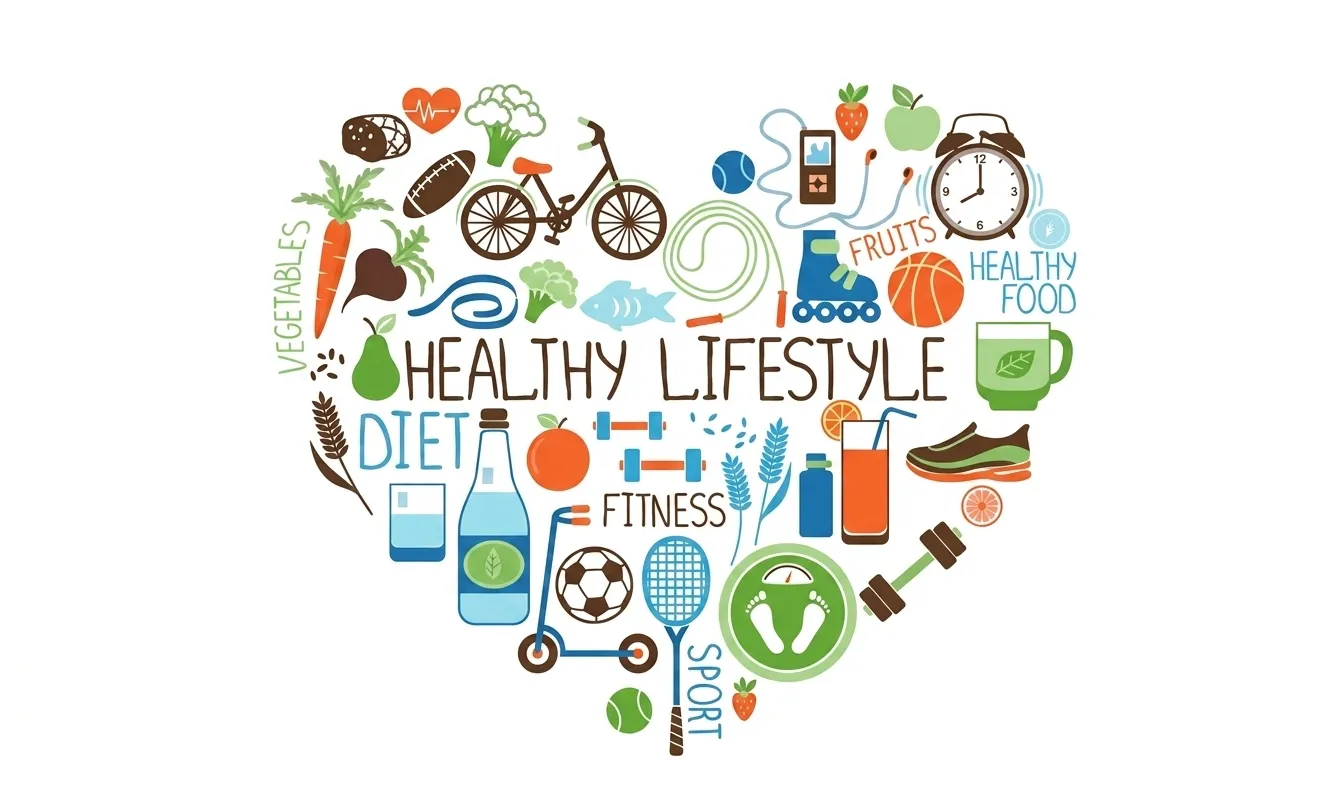
A healthy lifestyle is not about perfection, strict diets, or extreme routines. It’s about creating a balanced life that supports:
- Physical health
- Mental well-being
- Emotional balance
- Long-term sustainability
It’s built through small daily choices that, over time, lead to a stronger, healthier, and more fulfilling life.
1. Build a Strong Foundation: Physical Health
Eat Real, Nutrient-Dense Foods
Your body depends on what you eat. A diet rich in whole foods helps improve energy, immunity, and longevity.
Focus on:
- Fruits and vegetables
- Whole grains
- Lean proteins
- Healthy fats
Limit:
- Processed foods
- Added sugars
- Artificial ingredients
Healthy eating is not about restriction—it’s about nourishment and balance.
Stay Active and Keep Moving
Your body is designed to move. Regular exercise improves:
- Heart health
- Muscle strength
- Brain function
- Mood and energy
You don’t need intense workouts every day. Activities like:
- Walking
- Swimming
- Strength training
- Dancing
can all contribute to a healthy lifestyle.
Prioritize Quality Sleep
Sleep is essential for recovery and overall health. Poor sleep can lead to:
- Low energy
- Increased stress
- Weak immunity
To improve sleep:
- Maintain a consistent sleep schedule
- Avoid screens before bed
- Keep your room dark and quiet
Aim for 7–9 hours of quality sleep each night.
Stay Hydrated
Water supports nearly every function in your body—from digestion to brain performance.
Simple tips:
- Drink water regularly throughout the day
- Don’t wait until you feel thirsty
- Include water-rich foods in your diet
Proper hydration boosts energy, focus, and overall health.
2. Mental Health Is Just as Important
A truly healthy lifestyle includes caring for your mind.
Manage Stress Effectively
Chronic stress can negatively impact your body and mind. It increases the risk of:
- Anxiety and depression
- Heart disease
- Sleep problems
Healthy ways to manage stress:
- Meditation and mindfulness
- Deep breathing exercises
- Spending time in nature
- Journaling
Build Strong Relationships
Humans thrive on connection. Social support improves both mental and physical health.
Make time for:
- Family
- Friends
- Community activities
Strong relationships contribute to happiness, resilience, and longevity.
Practice Positive Self-Talk
Your mindset shapes your reality.
Instead of being overly critical, practice:
- Self-compassion
- Gratitude
- Encouragement
A healthy lifestyle includes being kind to yourself, especially during setbacks.
3. Build Healthy Habits That Last
Knowing what to do is not enough—you need to turn it into habits.
Start Small and Stay Consistent
Small actions lead to big results.
Examples:
- Drink a glass of water after waking up
- Take a 10–20 minute walk daily
- Add one healthy meal per day
Consistency is more powerful than intensity.
Create a Supportive Environment
Your surroundings influence your behavior.
To stay on track:
- Keep healthy food at home
- Remove unhealthy temptations
- Join a fitness group or community
Make healthy choices easier and automatic.
Focus on Identity, Not Just Goals
Instead of saying:
- “I want to be healthy”
Think:
- “I am someone who takes care of my health”
When your identity aligns with your actions, habits become natural.
4. Find Purpose and Joy in Life
Health is not just physical—it’s about meaning and fulfillment.
Having a sense of purpose can:
- Increase motivation
- Improve mental health
- Extend lifespan
You can find purpose through:
- Work or career
- Helping others
- Creative hobbies
- Personal growth
Joy is also essential. Activities like laughing, listening to music, or spending time outdoors improve overall well-being.
5. Focus on Prevention, Not Just Treatment
A healthy lifestyle helps prevent many chronic diseases, including:
- Heart disease
- Diabetes
- Obesity
- Certain cancers
Daily habits—what you eat, how you move, how you sleep—have a greater long-term impact than quick fixes.
Listen to your body. Signs like fatigue, stress, or discomfort are signals that something needs attention.
6. Adapt Your Lifestyle Over Time
Your needs change as you age, and your lifestyle should adapt.
- Children: need play and routine
- Adults: need balance and stress management
- Older adults: need strength, mobility, and connection
There is no one-size-fits-all approach. A healthy lifestyle is flexible and evolves with you.
7. The Science of Joy and Well-Being
Joy is not optional—it’s essential for health.
Simple actions like:
- Laughing
- Practicing gratitude
- Helping others
- Connecting with loved ones
can improve mood, reduce stress, and support overall wellness.
Healthy living is not about strict rules—it’s about living fully and mindfully.
Final Thoughts: Start Small, Start Today

You don’t need to change everything overnight.
Start with one simple step:
- Take a short walk
- Drink more water
- Eat a balanced meal
- Get better sleep
A healthy lifestyle is built one choice at a time.
You don’t need perfection—you need consistency.
When you choose to take care of your body and mind every day, you’re not just improving your health—you’re creating a life that is more energetic, meaningful, and fulfilling.
Start today. Your future self will thank you.