
Healthy Lifestyle: The Complete Guide to Better Sleep, Diet, and Habits
Meta Description
Discover the ultimate healthy lifestyle guide, including sleep science, healthy diet tips, and habit-building strategies to improve your health and wellbeing.
Introduction: What Is a Healthy Lifestyle?

A healthy lifestyle is not built on one single factor—it is the result of consistent daily choices. The way you sleep, eat, and behave every day shapes your physical health, mental clarity, and long-term success.
Many people focus on only one aspect, such as diet or exercise. However, true wellbeing comes from the combination of three essential pillars:
- Quality sleep
- Balanced nutrition
- Positive daily habits
When these elements work together, they create a strong foundation for a healthier and more productive life.
1. Sleep Science: The Foundation of Health
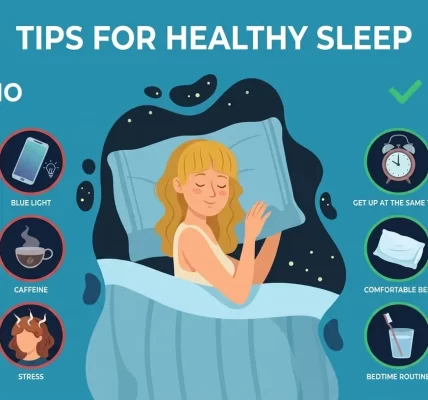
Sleep is one of the most important biological processes in the human body. It is during sleep that your body repairs tissues, restores energy, and strengthens the immune system.
Poor sleep can lead to fatigue, stress, and long-term health problems such as heart disease and obesity. On the other hand, quality sleep improves focus, memory, and emotional stability.
Understanding sleep cycles—including deep sleep and REM sleep—helps you optimize rest and recovery.
To improve your sleep:
- Maintain a consistent sleep schedule
- Avoid screens before bedtime
- Create a calm sleeping environment
Quality sleep is the foundation of a healthy lifestyle.
2. Healthy Diet: Fueling Your Body Properly
A healthy diet provides the nutrients your body needs to function effectively. It supports energy levels, strengthens immunity, and reduces the risk of chronic diseases.
A balanced diet includes:
- Fruits and vegetables
- Whole grains
- Lean protein
- Healthy fats
At the same time, it limits:
- Processed foods
- Added sugar
- Excess salt
Good nutrition is not about strict dieting—it is about balance, variety, and consistency.
Simple tips:
- Eat more whole foods
- Drink enough water
- Control portion sizes
A healthy diet fuels both your body and your mind.
3. Science of Habits: Building Lasting Change
Your habits shape your daily life more than motivation ever will. Small actions repeated over time create powerful long-term results.
According to the science of habits, every behavior follows a simple loop:
- Cue (trigger)
- Routine (action)
- Reward
By understanding this loop, you can replace bad habits with better ones.
Effective strategies:
- Start small and stay consistent
- Set clear and achievable goals
- Use positive reinforcement
- Practice mindfulness
Consistency is the key to turning actions into automatic behaviors.
How Sleep, Diet, and Habits Work Together
These three pillars are deeply connected:
- Good sleep improves eating habits and decision-making
- Healthy food supports better sleep and energy levels
- Positive habits help maintain both sleep and diet
For example:
- Sleeping well reduces cravings for unhealthy food
- Good habits make it easier to stick to a healthy diet
- Proper nutrition improves sleep quality
A healthy lifestyle is not about perfection—it is about balance across all areas.
Practical Tips for a Healthy Lifestyle
You can start improving your life with simple daily actions:
- Sleep 7–9 hours each night
- Eat more natural, unprocessed foods
- Exercise regularly
- Build small, positive habits
- Stay consistent over time
Small changes, when repeated daily, lead to powerful results.
Conclusion: Build a Lifestyle That Lasts
A healthy lifestyle is a lifelong journey, not a short-term goal. By focusing on sleep, diet, and habits, you can create a strong foundation for long-term health and success.
You don’t need to change everything at once. Start small, stay consistent, and improve step by step.
Over time, these daily choices will transform your energy, mindset, and overall wellbeing.
FAQs
1. What is the most important part of a healthy lifestyle?
All three—sleep, diet, and habits—are equally important and work together.
2. How can I start living a healthier life?
Begin with small changes like improving sleep, eating better, and building simple daily habits.
3. How long does it take to build healthy habits?
It depends, but consistency over weeks and months is key to lasting change.
4. Can I improve my health without strict dieting?
Yes. A balanced and consistent approach is more effective than extreme diets.
- Good habits become easier over time
- Bad habits are hard to break
- Repetition is essential for change
Through Cognitive Restructuring, you can reshape how your brain responds to triggers and build healthier behaviors.
Proven Strategies to Rewire Your Brain
1. Start Small and Stay Consistent
Big changes often fail because they feel overwhelming.
Instead:
- Focus on small, manageable actions
- Repeat them daily
- Build momentum over time
Consistency creates strong neural pathways that turn actions into automatic habits.
2. Use Positive Reinforcement
Your brain is wired to seek rewards.
Positive reinforcement helps by:
- Creating motivation
- Making habits enjoyable
- Increasing long-term consistency
Celebrate small wins, track progress, and reward yourself for staying on track. These actions strengthen the habit loop.
3. Practice Mindfulness
Mindfulness helps you become aware of your thoughts, triggers, and behaviors.
Benefits include:
- Better self-control
- Reduced impulsive actions
- Improved emotional regulation
When you are mindful, you can pause before reacting and choose better habits consciously.
4. Set Clear and Achievable Goals
Goal setting provides direction and structure for behavior change.
Effective goals should be:
- Specific (e.g., exercise 30 minutes daily)
- Realistic and achievable
- Broken into smaller steps
Tracking your progress helps maintain motivation and reinforces new habits.
5. Replace Bad Habits with Better Ones
Breaking a habit is difficult if you simply try to stop it.
Instead:
- Identify the trigger
- Replace the routine with a healthier action
- Keep the reward similar
For example:
- Replace late-night scrolling with reading
- Swap unhealthy snacks with nutritious options
This approach makes habit change more sustainable.
The Role of Cognitive Restructuring
Your thoughts influence your behaviors.
Through Cognitive Restructuring, you can:
- Identify limiting beliefs (“I can’t change”)
- Challenge negative thinking
- Replace it with empowering thoughts
For example:
- Replace “I always fail” with “I’m improving every day”
This shift in mindset strengthens your ability to maintain positive habits.
Building Long-Term Change: Consistency and Patience
Real transformation takes time. Lasting change is built through:
- Small daily actions that accumulate over time
- Patience to stay committed despite slow progress
- Discipline to continue even when motivation fades
Additional factors that support success:
- Accountability (sharing goals with others)
- Positive reinforcement
- Continuous self-awareness
The more you repeat a behavior, the more natural it becomes.
Why Consistency Is More Powerful Than Motivation
Motivation comes and goes—but consistency builds results.
When you rely on systems instead of feelings:
- Habits become automatic
- Progress becomes predictable
- Success becomes sustainable
Your goal is not perfection—it’s repetition.
Conclusion: Rewire Your Brain, Transform Your Life
The science of habits shows that change is not about willpower alone—it’s about understanding how your brain works and using that knowledge to your advantage.
By applying strategies like:
- Mindfulness
- Goal setting
- Positive reinforcement
- Cognitive restructuring
You can rewire your brain for lasting, positive change.
Start small, stay consistent, and trust the process. Over time, your habits will shape a stronger, healthier, and more successful version of yourself.