

Mastering Functional Strength: The Definitive Blueprint for Physical Resilience and Longevity

Meta Description
Learn how to build functional strength for real-life performance, injury prevention, and longevity. Discover key movement patterns, training strategies, and nutrition tips.
Introduction: A New Era of Fitness
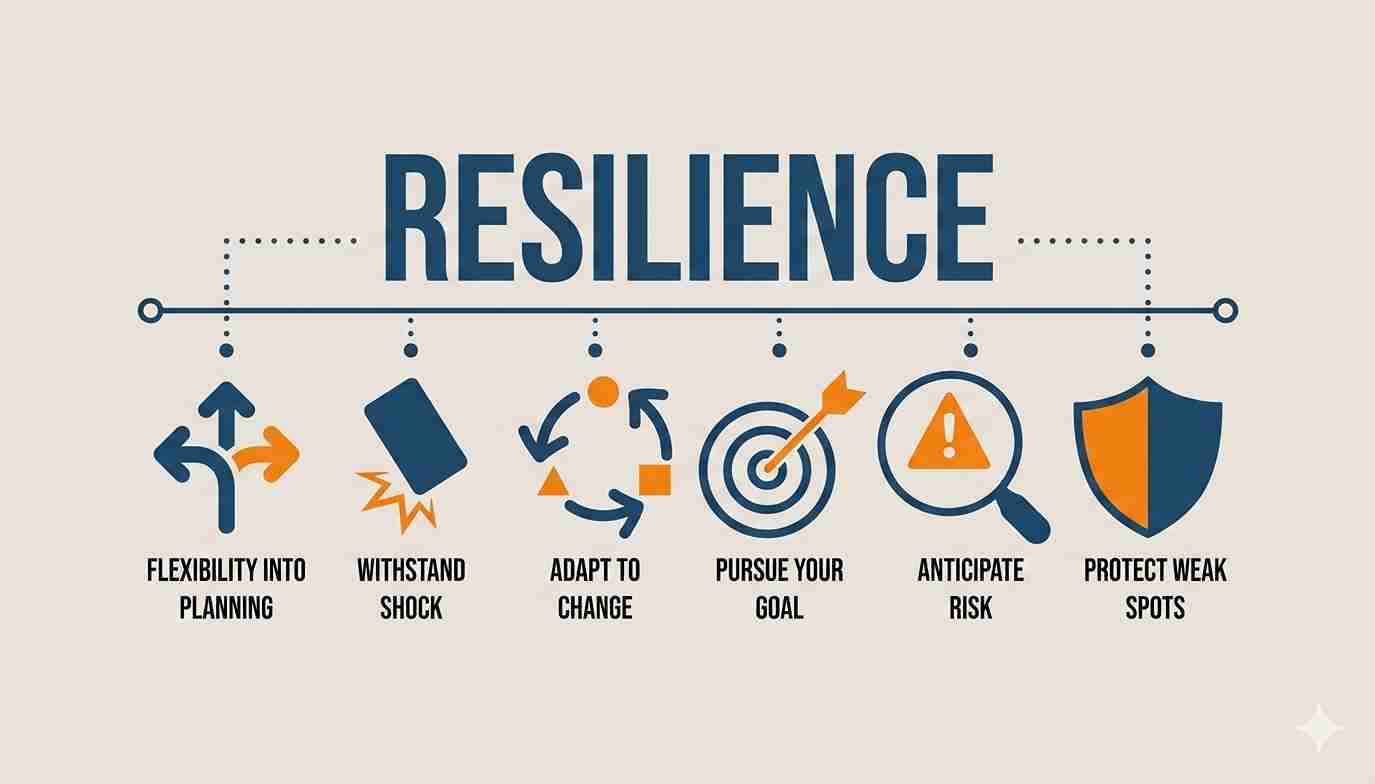
Fitness is no longer just about aesthetics—it’s about performance, resilience, and longevity.
Today, more people are shifting toward functional strength training, a method focused on building a body that works efficiently in everyday life. Whether you’re lifting heavy objects, maintaining posture, or staying active as you age, functional strength is the foundation of long-term health.
This approach prioritizes movement over appearance and results over vanity.
What Is Functional Strength?
Functional strength refers to the ability to perform real-world movements safely and efficiently.
Unlike traditional bodybuilding, which isolates individual muscles, functional training focuses on:
- Full-body coordination
- Joint stability
- Core engagement
- Movement efficiency
The goal is to build a body that performs well in everyday life.
The Philosophy of Functional Movement
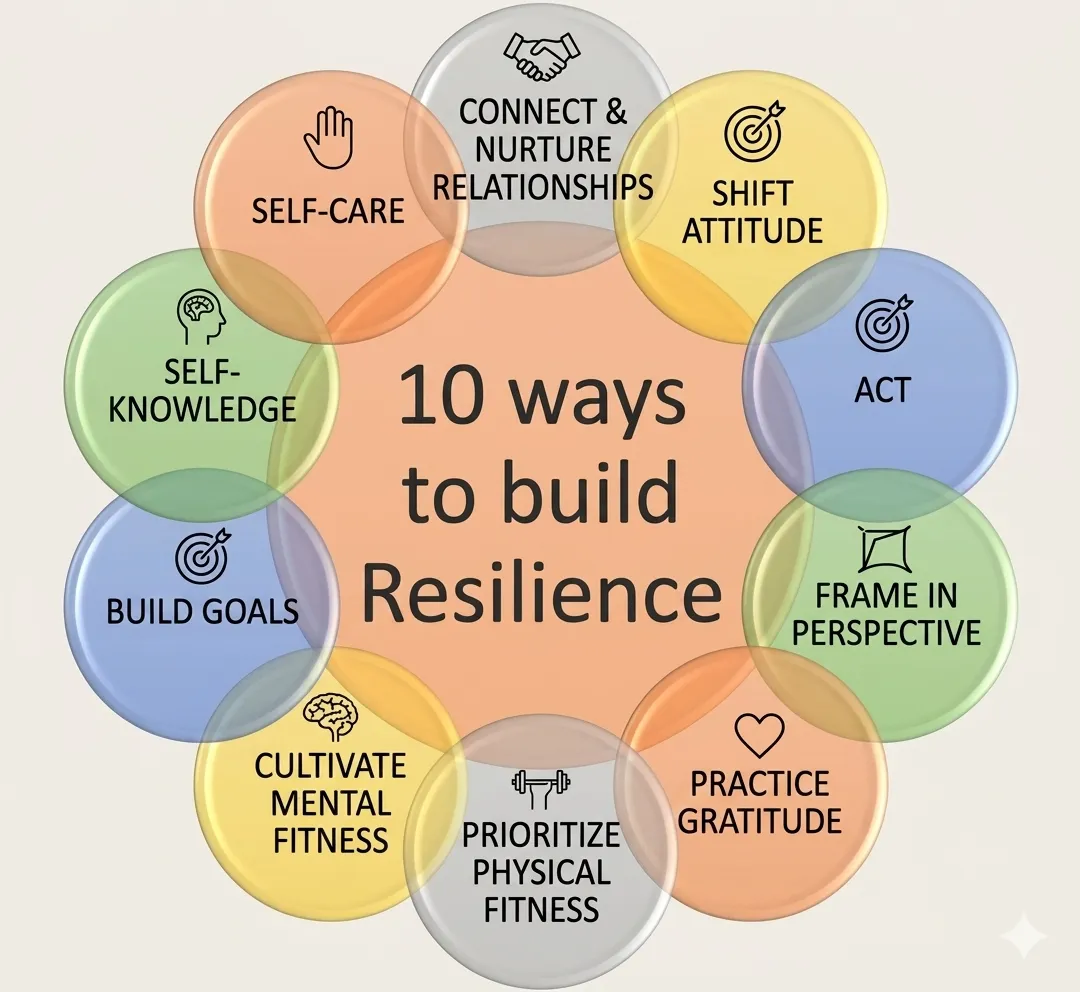
Functional training is based on movement patterns rather than isolated muscles.
For example, a leg extension targets only one muscle group, while a squat engages the entire lower body and core.
This integrated approach mirrors how your body naturally moves, strengthening multiple muscle groups at once and creating a more balanced system. Over time, this builds a body that is more resilient and resistant to injury.
The 5 Pillars of Functional Strength

To build true resilience, your training should include these five movement patterns:
1. The Hinge
Exercises like deadlifts and kettlebell swings target the posterior chain, including the glutes, hamstrings, and lower back.
2. The Squat
Squats improve lower-body strength and mobility in the hips, knees, and ankles.
3. The Push
Push-ups and overhead presses build the chest, shoulders, and triceps.
4. The Pull
Pull-ups and rows strengthen the back and improve posture.
5. The Carry
Farmer’s walks develop core stability, grip strength, and endurance.
Why Functional Strength Matters for Longevity
As we age, the body naturally loses muscle mass, a condition known as sarcopenia.
After age 30, muscle mass can decline by 3–5% per decade. Functional strength training helps counteract this by:
- Preserving muscle mass
- Improving bone density
- Enhancing hormone balance
- Reducing injury risk
This makes it essential for maintaining independence and long-term health.
Functional Training vs Traditional Training
Functional training focuses on real-life performance, movement efficiency, and injury prevention.
In contrast, traditional bodybuilding focuses more on muscle size and appearance, often isolating specific muscle groups.
Functional training also involves higher core engagement and has stronger real-life applications, making it more practical for everyday activities.
The Importance of the Posterior Chain
The posterior chain is one of the most important yet overlooked aspects of fitness.
Modern lifestyles, especially long periods of sitting, can lead to:
- Lower back pain
- Poor posture
- Weak glutes and hamstrings
Exercises like Romanian deadlifts help restore balance by strengthening the hips and reducing stress on the spine.
A strong posterior chain protects the body and reduces the risk of injury.
Nutrition for Strength and Recovery
Training alone is not enough. Nutrition plays a key role in building strength.
Protein
Aim for 0.8–1g per pound of body weight to support muscle repair.
Healthy fats and carbohydrates
- Healthy fats support hormones
- Complex carbohydrates provide energy
Micronutrients
Important nutrients include magnesium, zinc, and vitamin D.
Anti-inflammatory foods
Include fatty fish, leafy greens, and turmeric to support recovery.
A Simple Functional Training Plan
A basic weekly structure:
- Monday: Lower body (hinge and carry)
- Tuesday: Upper body (push and pull)
- Wednesday: Active recovery
- Thursday: Lower body (squat focus)
- Friday: Full body and core
- Weekend: Light activities like walking or swimming
Consistency is the key to progress.
The Mental Benefits of Strength Training
Functional training also improves mental strength.
It helps develop:
- Discipline
- Confidence
- Resilience
These qualities carry over into daily life and improve your ability to handle challenges.
Conclusion: Build Strength That Lasts
Functional strength training is more than exercise—it is a long-term strategy for health and performance.
By focusing on movement patterns, balanced strength, proper nutrition, and consistency, you can build a body that performs well and stays strong over time.
True strength is not just about lifting heavy—it is about moving through life with confidence, stability, and resilience.