Low-Impact Exercises: 10 Joint-Friendly Workouts to Try
 Leo Thompson
Posted on
Leo Thompson
Posted on Staying active is one of the most powerful ways to support your health—but not every workout needs to involve jumping, sprinting, or high-intensity training. If you’re dealing with joint pain, recovering from an injury, or simply prefer a gentler approach, low-impact exercises offer a smart, sustainable solution.
The best part? Low-impact doesn’t mean low results. You can still burn calories, build strength, and improve your fitness—without putting unnecessary stress on your joints.
In this guide, we’ll break down the benefits of low-impact workouts and share 10 effective, joint-friendly exercises you can start today.
Table of Contents
ToggleWhat Are Low-Impact Exercises?
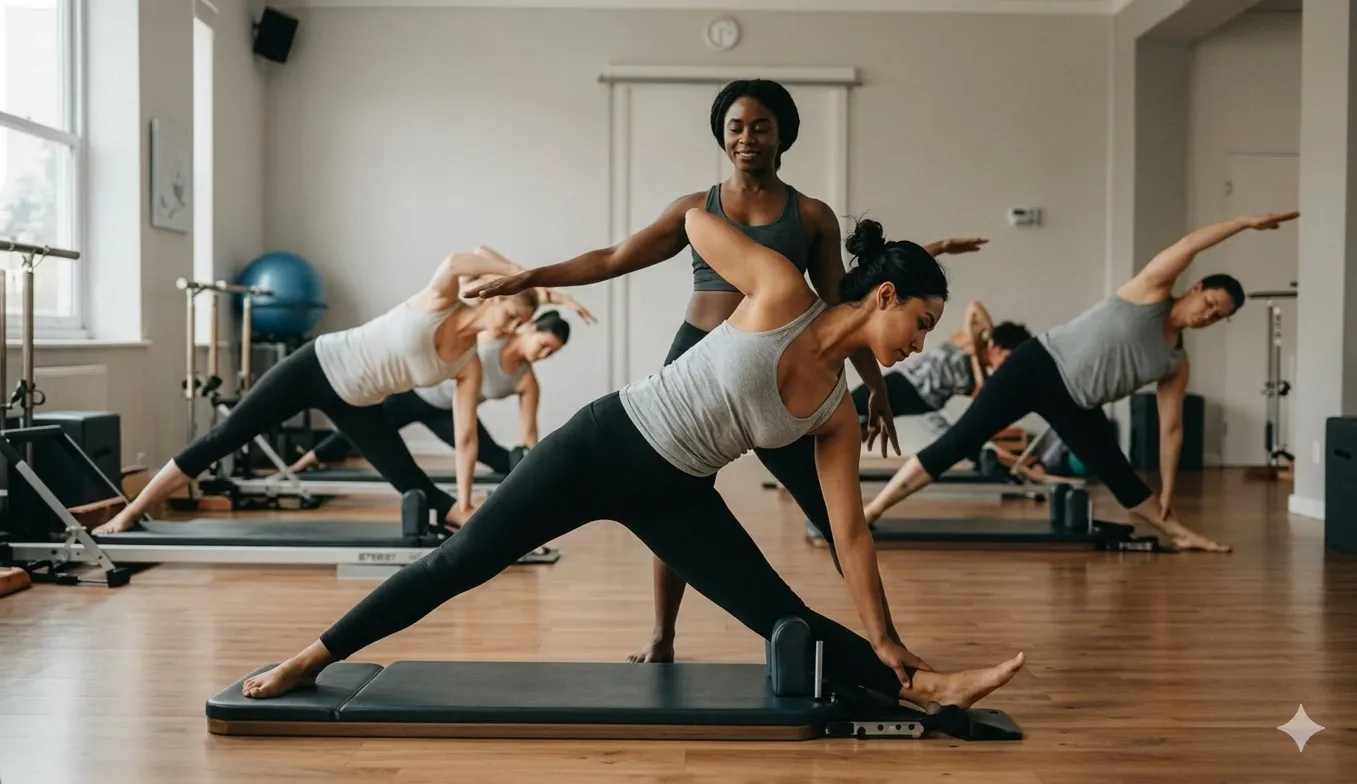
Low-impact exercises are movements that reduce stress on your joints. Unlike high-impact activities like running or jumping, these exercises:
- Keep at least one foot on the ground
- Or support your body with equipment or water
This reduces the force placed on your knees, hips, ankles, and spine.
Who Are They Best For?
Low-impact workouts are ideal for:
- Beginners starting a fitness routine
- People with joint pain or arthritis
- Older adults staying active safely
- Anyone recovering from injury or surgery
From gentle stretching to full-body cardio, these exercises deliver results while protecting your body.
Benefits of Low-Impact Workouts
1. Reduced Risk of Injury
Because these exercises minimize stress on joints and connective tissues, they lower the risk of strains, sprains, and overuse injuries.
2. Joint-Friendly Movement
Low-impact workouts are easier on sensitive areas like knees and hips, making them perfect for long-term sustainability.
3. Improved Flexibility and Mobility
Activities like yoga and Pilates enhance range of motion, posture, and balance—helping you move better in everyday life.
4. Strength and Endurance Gains
Cycling, swimming, and resistance training can build muscle and cardiovascular fitness just as effectively as high-impact workouts.
5. Better Mental Health
Regular movement supports mood, reduces stress, and can help ease symptoms of anxiety and depression.
6. Supports Healthy Weight Management
Low-impact exercises burn calories and promote muscle growth, making them effective for long-term weight control.
10 Low-Impact Exercises to Try
1. Cycling
Cycling is excellent for building leg strength and improving heart health. Because your body weight is supported by the bike, it’s gentle on your joints.
Tip: Try outdoor cycling or a stationary bike for convenience.
2. Walking
Walking is one of the easiest and most effective forms of low-impact cardio.
Benefits include:
- Improved cardiovascular health
- Better mood and energy levels
- Increased daily activity
Boost intensity with interval walking or a weighted vest.
3. Elliptical Training
The elliptical mimics running without the impact. Your feet stay on the pedals, reducing strain on joints while still delivering a strong cardio workout.
4. Swimming or Water Aerobics
Water supports your body, removing nearly all joint impact.
Benefits:
- Full-body workout
- Natural resistance for strength
- Ideal for injury recovery
5. Yoga
Yoga combines movement, flexibility, and mindfulness.
It helps:
- Improve balance
- Increase mobility
- Reduce stress
From beginner to advanced, there’s a style for everyone.
6. Pilates
Pilates focuses on core strength, posture, and controlled movement.
It’s especially useful for:
- Building a strong foundation
- Improving alignment
- Preventing injuries
7. Rowing
Rowing machines offer a full-body workout that targets:
- Legs
- Core
- Upper body
The smooth motion is easy on joints while still challenging your endurance.
8. Core Strengthening Exercises
A strong core supports nearly every movement you make.
Try:
- Planks
- Glute bridges
- Dead bugs
These exercises build stability without stressing your joints.
9. Strength Training
Weight training is a highly effective low-impact option when done with control.
Focus on:
- Squats
- Lunges
- Chest presses
- Rows
Start light and gradually increase resistance.
10. Barre
Barre workouts use small, controlled movements to build strength and endurance.
Why people love it:
- Low impact but high intensity
- Full-body engagement
- Fun, music-driven sessions
Exercises to Limit (If You Have Joint Issues)
While most exercises can be modified, you may want to reduce or adjust:
- Running on hard surfaces
- Jumping exercises (e.g., burpees, jump rope)
- High-impact aerobics
- Sports with sudden direction changes (e.g., soccer, tennis)
If needed, consult a professional to adapt these movements safely.
How to Get Started with Low-Impact Exercise
Starting a new routine doesn’t have to be complicated. Follow these simple tips:
- Begin slowly and build up gradually
- Listen to your body—avoid pain
- Stay consistent rather than intense
- Mix different activities to stay engaged
Example: 20–30 minutes of walking daily is more effective than one intense session per week.
Final Thoughts
Low-impact exercises provide a sustainable, joint-friendly path to better health. Whether your goal is to lose weight, build strength, or simply stay active, these workouts help you move safely and consistently.
Start with one or two activities you enjoy, and build from there. Over time, you’ll improve your strength, mobility, and overall well-being—without putting unnecessary stress on your body.
Your fitness journey doesn’t have to be intense to be effective. Sometimes, the smartest approach is also the most sustainable.