


Creating your own workout routine can feel overwhelming. With countless exercises, training styles, and conflicting advice online, it’s easy to get stuck before you even begin. The truth is, building an effective fitness plan doesn’t need to be complicated.
In this guide, you’ll learn exactly how to design a personalized workout routine based on your goals, schedule, and experience level—so you can actually stick with it and see real results.
Why You Should Build Your Own Workout Plan
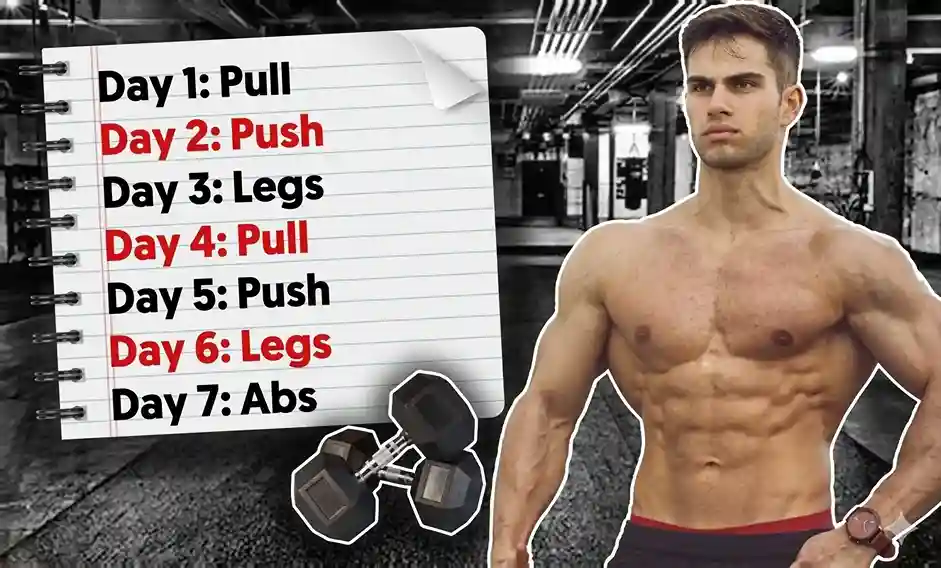
A great workout routine isn’t one-size-fits-all. The best plan is built around:
- Your fitness goals (fat loss, muscle gain, endurance)
- Your experience level
- Your available time
- Your equipment (gym, home, or outdoors)
- Your personal preferences
When your routine fits your lifestyle, you’re far more likely to stay consistent—and consistency is what drives results.
Step 1: Define Your Fitness Goals
Before choosing exercises, get clear on what you want to achieve.
Use the SMART framework to set effective goals:
- Specific: “Gain 5 pounds of muscle”
- Measurable: Track weight, reps, or body composition
- Attainable: Set realistic expectations
- Relevant: Align with your lifestyle and interests
- Time-bound: Set a deadline (e.g., 10–12 weeks)
Realistic Expectations
- Fat loss: ~0.5–1% of body weight per week
- Muscle gain: ~0.25–0.5% of body weight per week
Setting realistic goals helps you stay motivated and avoid burnout.
Step 2: Decide How Much Time You Can Train
You don’t need hours in the gym to get results.
- Beginner-friendly schedule: 2–4 workouts per week
- Workout duration: 30–45 minutes per session
Even short workouts work. You can split exercise into:
- 3 sessions of 10 minutes throughout the day
The key is consistency—not perfection.
Step 3: Choose Where You’ll Work Out
Your environment determines your exercise options:
- Gym → Access to machines and heavy weights
- Home → Bodyweight or dumbbell workouts
- Outdoors → Running, calisthenics, park training
No gym? No problem. Effective workouts can be done anywhere.
Step 4: Pick the Right Exercises
Keep it simple. The most effective routines focus on compound exercises—movements that work multiple muscle groups at once.
Your workout should include:
- Legs (Quads) → Squats, lunges
- Glutes & Hamstrings → Deadlifts, hip thrusts
- Push (Chest, Shoulders, Triceps) → Push-ups, bench press
- Pull (Back, Biceps) → Pull-ups, rows
Example Full-Body Workout:
- Squats – 3 sets × 10 reps
- Deadlifts – 3 sets × 8 reps
- Push-ups – 3 sets × 12–15 reps
- Pull-ups (or rows) – 3 sets × 8 reps
That’s it. Simple, efficient, and effective.
Step 5: Sets and Reps Guide
A solid starting point:
- 2–5 sets per exercise
- 5–15 reps per set
Based on your goal:
- Strength → 5–10 reps
- Muscle growth → 8–12 reps
- Endurance → 12+ reps
Don’t overthink it. The most important rule:
Progress over time (more reps or heavier weight)
Step 6: Rest Between Sets
Rest depends on intensity:
- Heavy lifting (1–5 reps): 3–5 minutes
- Moderate (6–12 reps): 1–2 minutes
- Light (12+ reps): 30–90 seconds
Rest enough to perform the next set with good form.
Step 7: Choose the Right Weight
Start lighter than you think.
A good rule:
- Finish your set feeling challenged—but not exhausted
Progression Tip:
If you can exceed your target reps easily, increase the weight next time.
This is called progressive overload, and it’s essential for results.
Step 8: Optimize Workout Duration
Ideal workout length:
- 45–60 minutes total
Breakdown:
- 5–10 min warm-up
- 30–40 min training
- 5–10 min cool-down
Short on time? Increase intensity or use circuits.
Step 9: Try Supersets and Circuit Training
Supersets
Alternate between two exercises:
- Example: Squats → Push-ups → repeat
Circuit Training
Perform multiple exercises back-to-back with minimal rest.
Benefits:
- Saves time
- Burns more calories
- Improves cardiovascular fitness
Perfect for busy schedules.
Step 10: Train 2–3 Days Per Week
You don’t need to train daily.
- Start with 2–3 full-body workouts per week
- Allow 48 hours recovery between sessions
Example schedule:
- Monday – Workout
- Wednesday – Workout
- Friday – Workout
Recovery is where your body actually grows stronger.
Step 11: Track Your Progress
Tracking is essential for improvement.
Record:
- Exercises
- Sets and reps
- Weight used
- Workout duration
Look for progress:
- More reps
- Heavier weights
- Better performance
What gets measured gets improved.
Sample Weekly Workout Plan
Day 1 (Full Body)
- Squats – 3×10
- Push-ups – 3×12
- Rows – 3×10
- Deadlifts – 3×8
Day 2 (Rest or Light Activity)
Day 3 (Full Body)
- Lunges – 3×10
- Overhead press – 3×10
- Pull-ups – 3×8
- Hip thrusts – 3×12
Day 4 (Rest)
Repeat.
Final Tips for Building a Workout Routine
- Keep it simple
- Focus on consistency
- Prioritize strength training
- Don’t skip recovery
- Adjust as you progress
Most importantly: choose a routine you enjoy. The best workout plan is the one you actually follow.
Conclusion
Building your own workout routine doesn’t require expert-level knowledge—just a clear goal, a simple structure, and consistency.
Start small, stay consistent, and improve week by week. Over time, those small efforts compound into real, visible results.
Now it’s your turn—build your plan and get moving.