The 10 Best Functional Strength Training Exercises for Real-Life Power
 Leo Thompson
Posted on
Leo Thompson
Posted on Want to build strength that actually matters in everyday life? Functional strength training is your answer. Instead of focusing only on aesthetics, this style of training helps you move better, feel stronger, and reduce your risk of injury—both in and out of the gym.
In this guide, you’ll discover 10 of the best functional strength training exercises, plus tips on how to use them to improve your performance, mobility, and overall fitness.
Table of Contents
ToggleWhat Is Functional Strength Training?
Functional strength training focuses on movements that mimic real-life activities—like lifting, pushing, pulling, bending, and carrying.
Unlike traditional workouts that isolate one muscle at a time, functional exercises:
- Train multiple muscle groups simultaneously
- Improve balance, coordination, and mobility
- Strengthen your core and stabilizer muscles
- Enhance your ability to perform daily tasks safely and efficiently
Think of it this way: you’re not just training for the gym—you’re training for life.
Benefits of Functional Strength Training
Incorporating functional exercises into your routine can:
- Improve posture and joint health
- Reduce injury risk
- Boost athletic performance
- Increase mobility and flexibility
- Enhance everyday movements (lifting, walking, climbing, etc.)
The 10 Best Functional Strength Training Exercises
Here are the top exercises to build real-world strength using your bodyweight or free weights.
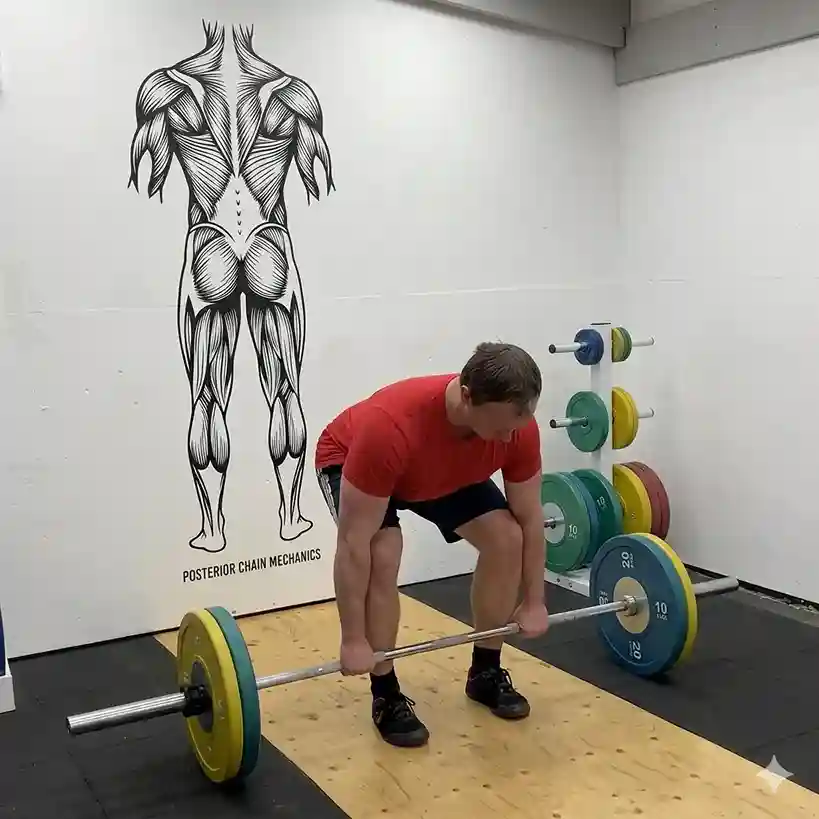
1. Deadlift
The deadlift is one of the most powerful full-body exercises you can do.
Muscles worked: glutes, hamstrings, lower back, quads, core
Why it’s functional:
It mimics lifting heavy objects from the ground—something you do in daily life.
How to do it:
- Stand with feet hip-width apart
- Grip the bar and keep your back straight
- Lift by extending hips and knees
- Lower with control
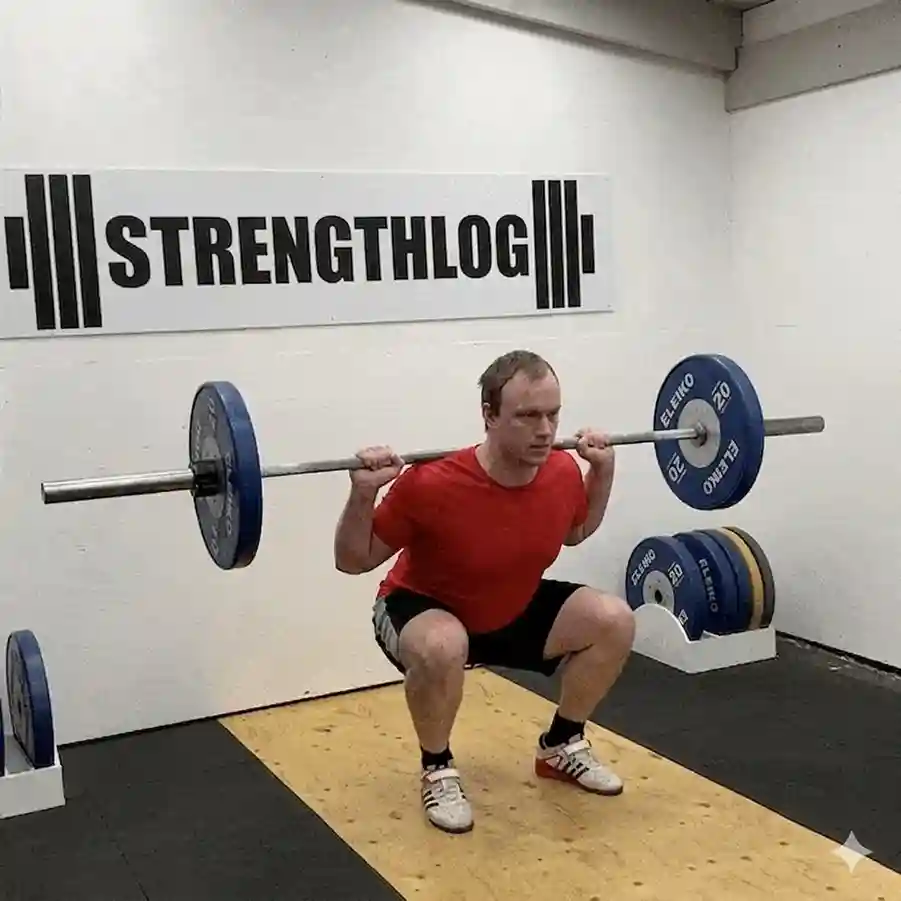
2. Squat
Often called the king of exercises, the squat builds lower-body strength and mobility.
Muscles worked: quads, glutes, adductors, core
Benefits:
- Improves balance and coordination
- Enhances everyday movements like sitting and standing
3. Lunges
Lunges are excellent for building single-leg strength and stability.
Muscles worked: quads, glutes, hamstrings
Why they matter:
They replicate walking, climbing stairs, and changing direction.
Pro tip: Try variations like walking lunges or reverse lunges.
4. Overhead Press
The overhead press strengthens your shoulders and improves upper-body function.
Muscles worked: shoulders, triceps, upper chest, core
Real-life benefit:
Helps with lifting objects overhead (like placing items on shelves).
5. Barbell Row
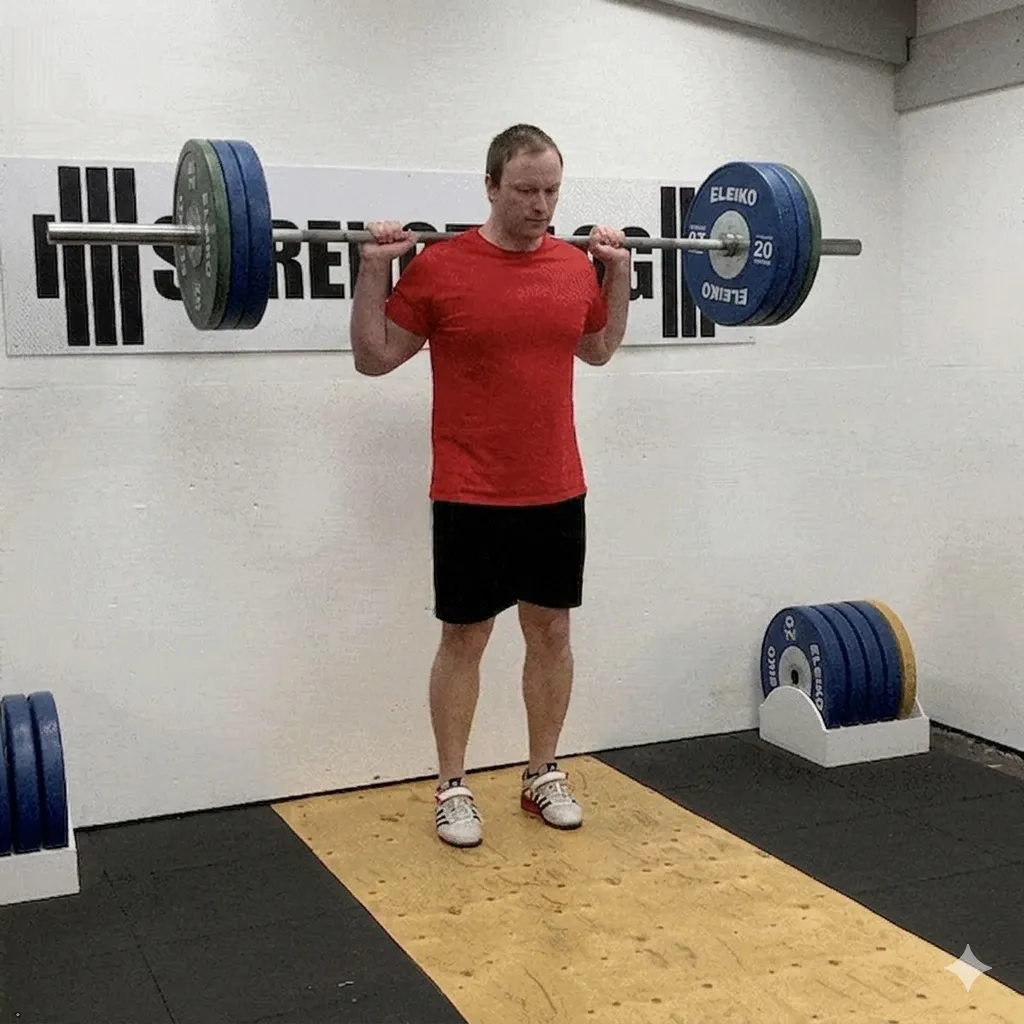
The barbell row builds a strong, stable upper body.
Muscles worked: back, biceps, shoulders, core
Why it’s effective:
It improves posture and pulling strength—essential for daily tasks like carrying groceries.
6. Farmer’s Walk
Simple but brutal—the farmer’s walk involves carrying heavy weights while walking.
Muscles worked: grip, shoulders, core, legs
Benefits:
- Builds full-body strength
- Improves stability and endurance
7. Pull-Ups
Pull-ups are a gold standard for upper-body functional strength.
Muscles worked: lats, back, biceps, forearms
Why they’re important:
They simulate climbing and pulling movements.
Beginner tip: Use resistance bands for assistance.
8. Dips
Dips are a powerful pushing exercise for the upper body.
Muscles worked: triceps, chest, shoulders
Functional benefit:
Helps with pushing movements like getting up or moving objects.
9. Kettlebell Swings
The kettlebell swing combines strength and cardio in one explosive movement.
Muscles worked: glutes, hamstrings, core, lower back
Why it stands out:
- Builds power and endurance
- Improves hip mobility
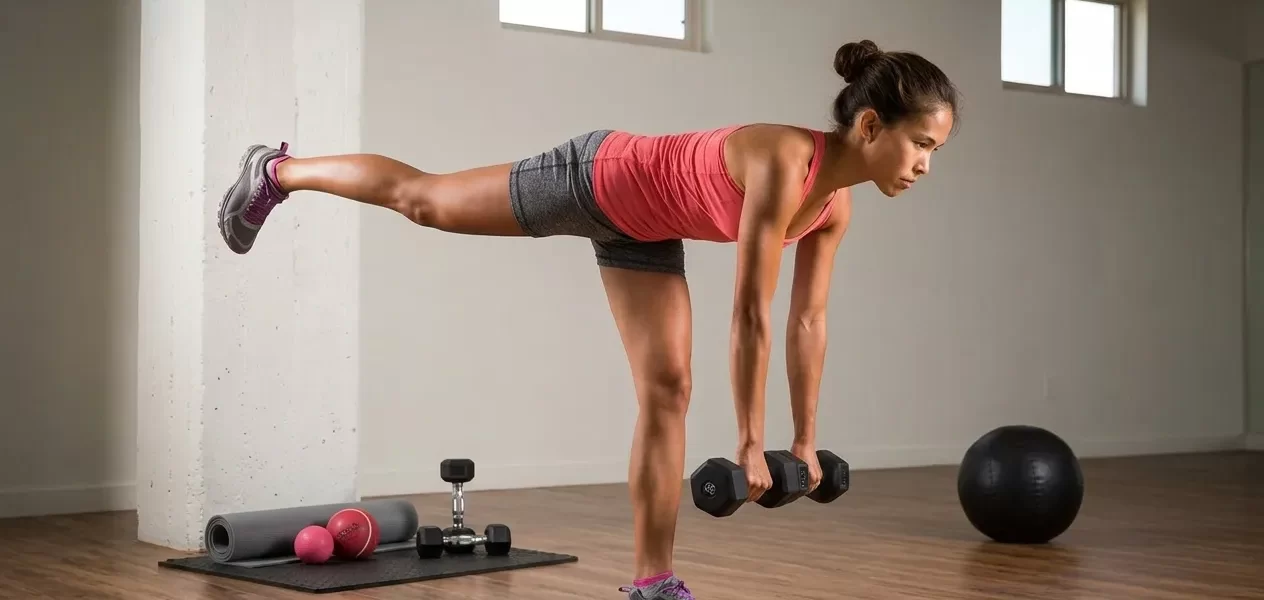
10. Single-Leg Romanian Deadlift
This unilateral exercise improves balance and coordination.
Muscles worked: hamstrings, glutes, core
Key benefit:
Corrects muscle imbalances and enhances stability.
How to Build a Functional Strength Workout
To create an effective routine:
- Train 3–4 times per week
- Combine upper and lower body exercises
- Focus on compound movements
- Use progressive overload (increase reps or weight over time)
Sample structure:
- Lower body: squats, lunges
- Upper body: rows, presses, pull-ups
- Core & stability: farmer’s walks, single-leg work
Tips for Best Results
- Prioritize proper form over heavy weights
- Stay consistent with your training
- Get enough protein and sleep
- Track your progress
Final Thoughts
Functional strength training isn’t just about building muscle—it’s about building a body that performs better in everyday life.
By incorporating these 10 exercises into your routine, you’ll improve:
- Strength
- Balance
- Mobility
- Overall fitness
Start simple, stay consistent, and focus on movements that make your life easier—not just your workouts harder.
Ready to level up your fitness?
Start adding these functional exercises to your routine today and train for real-life strength.
You Might Also Like