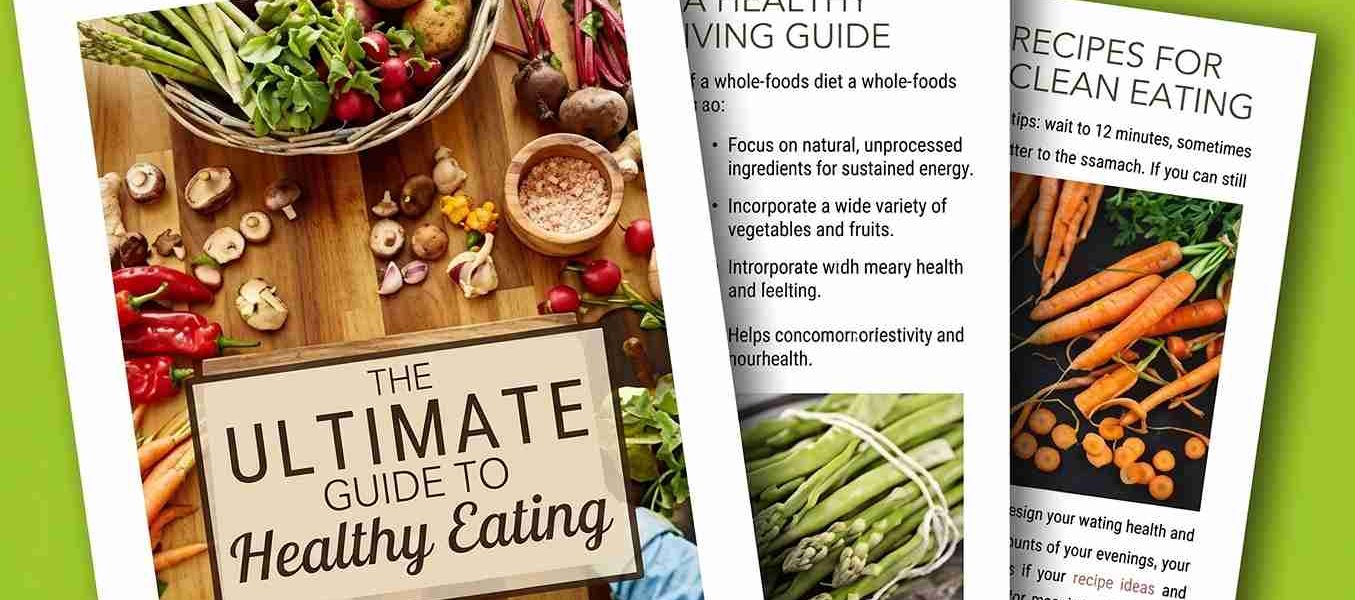

Healthy eating doesn’t have to be complicated, restrictive, or stressful. In fact, the most sustainable approach is one that fits your lifestyle, preferences, and routine. This guide will help you understand what healthy eating really means—and how to make it work in real life.
What Does Healthy Eating Really Mean?
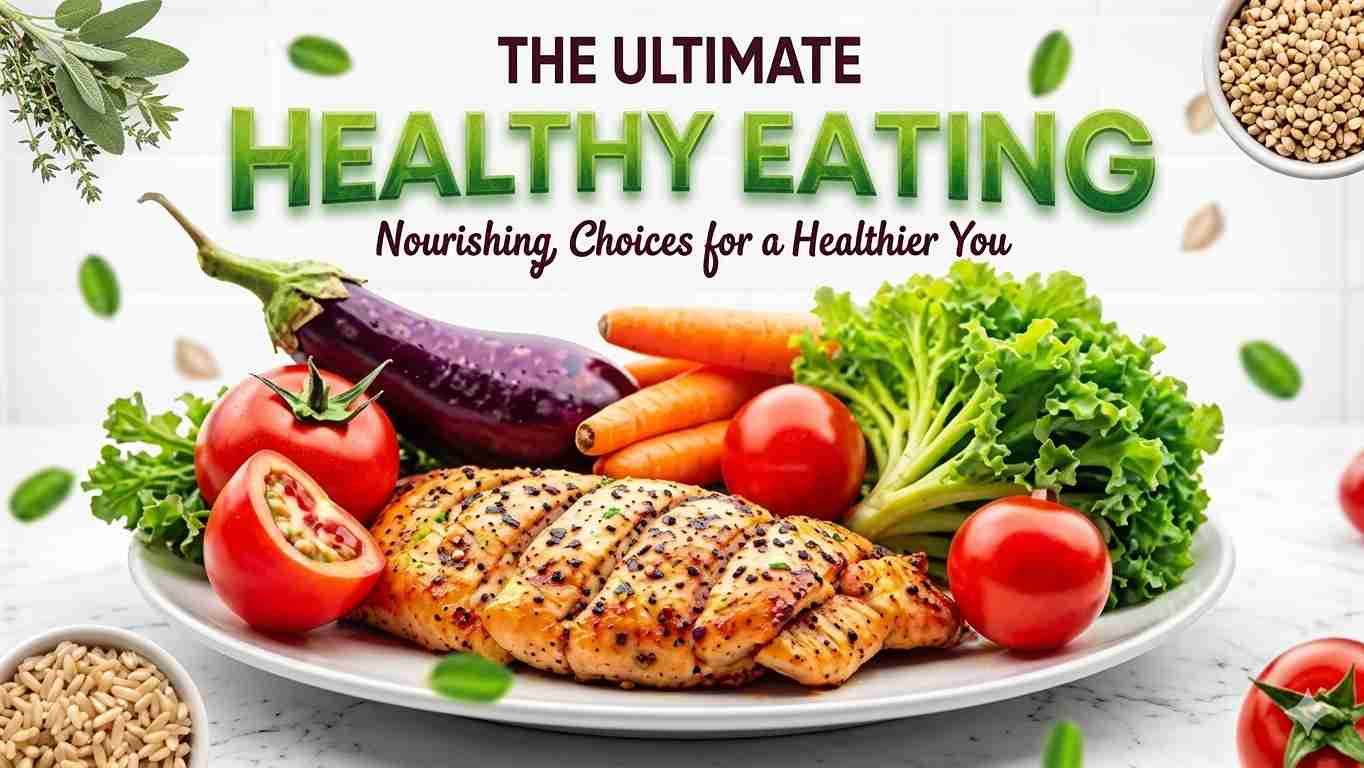
At its core, healthy eating is about fueling your body with nutrient-dense foods while still enjoying what you eat. It’s not about strict rules, cutting out entire food groups, or obsessively counting calories.
Instead, focus on:
- Eating mostly whole, minimally processed foods
- Including a variety of nutrients in every meal
- Building a balanced and flexible relationship with food
Food is meant to be enjoyed—not feared, tracked, or controlled.
Why Healthy Eating Matters
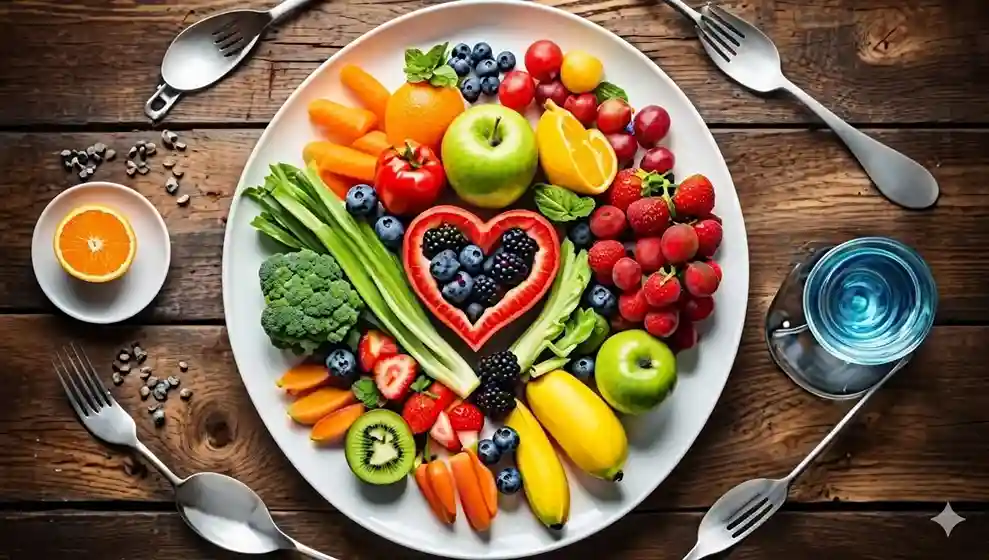
What you eat directly impacts your:
- Energy levels
- Body weight
- Mental health
- Risk of chronic diseases
A diet high in ultra-processed foods is linked to increased risks of:
- Type 2 diabetes
- Heart disease
- Obesity
- Liver and kidney disease
On the other hand, diets rich in whole foods—like vegetables, fruits, nuts, and fish—are associated with:
- Longer lifespan
- Better mental well-being
- Reduced risk of chronic illness
Simply put: food is your body’s foundation.
The Basics of Healthy Eating
1. Focus on Nutrient Density
Not all calories are equal. What matters most is what comes with those calories.
Nutrient-dense foods provide:
- Protein
- Healthy fats
- Fiber
- Vitamins and minerals
Examples include:
- Vegetables and fruits
- Eggs and fish
- Nuts and seeds
- Beans and legumes
A high-calorie food (like avocado or nuts) can still be very healthy, while low-calorie foods aren’t always nutritious.
2. Eat a Variety of Foods
Diet diversity supports:
- Gut health
- Healthy weight management
- Disease prevention
If you’re a picky eater, start small:
- Add one new vegetable per week
- Rotate protein sources
- Try different cooking styles
The more exposure you have to new foods, the more likely you are to enjoy them.
3. Balance Your Macronutrients
Your body needs three main nutrients:
- Carbohydrates (energy)
- Protein (muscle repair and satiety)
- Fats (hormones and brain health)
A simple way to balance meals:
- Pair carbs with protein + healthy fat
Example:
- Fruit + peanut butter
- Oatmeal + yogurt
- Rice + chicken + avocado
You don’t need to count macros—just aim for balance.
4. Limit Ultra-Processed Foods
One of the most impactful changes you can make is reducing:
- Sugary drinks
- Packaged snacks
- Fast food
- Highly refined products
Instead, choose:
- Whole or lightly processed foods
- Simple ingredient lists
- Home-cooked meals when possible
Not all processed foods are bad (like frozen veggies or canned beans). Focus on quality over perfection.
How to Make Healthy Eating Work for You
Stock a Smart Kitchen
Keep your fridge and pantry filled with nutritious basics:
- Fresh or frozen vegetables and fruits
- Protein sources (chicken, eggs, fish, tofu)
- Whole grains and beans
- Healthy fats (olive oil, nuts, yogurt)
When healthy options are available, good choices become easier.
Use the “Rule of Threes”
Build simple meals using:
- Protein
- Healthy fat
- Fiber-rich carbs
Example combinations:
- Chicken + avocado + sweet potato
- Salmon + rice + broccoli
- Eggs + whole grain toast + spinach
Start Small
You don’t need to overhaul your diet overnight.
Try:
- Cooking 1–2 meals at home per week
- Replacing sugary drinks with water
- Adding vegetables to one meal daily
Small steps lead to lasting habits.
Building a Healthy Relationship with Food
Healthy eating isn’t just about what you eat—it’s also about how you think about food.
Avoid:
- Strict food rules
- “Good” vs. “bad” food labels
- Extreme dieting
Instead:
- Allow flexibility
- Eat mindfully
- Focus on long-term habits
If you struggle with food-related stress, consider working with a registered dietitian or healthcare professional.
Practical Tips for Everyday Healthy Eating
- Cook at home more often to control ingredients
- Stay hydrated—water is your best choice
- Ditch “cheat days”—all foods can fit in moderation
- Respect your preferences—don’t force foods you dislike
- Focus on progress, not perfection
Final Thoughts
Healthy eating isn’t about perfection—it’s about consistency and balance. You don’t need a strict diet plan or complicated rules to feel your best.
Start with small, realistic changes. Build meals around whole foods. And most importantly, create a way of eating that you can enjoy and sustain for life.
Because in real life, the best diet is the one you can stick to.