
Introduction
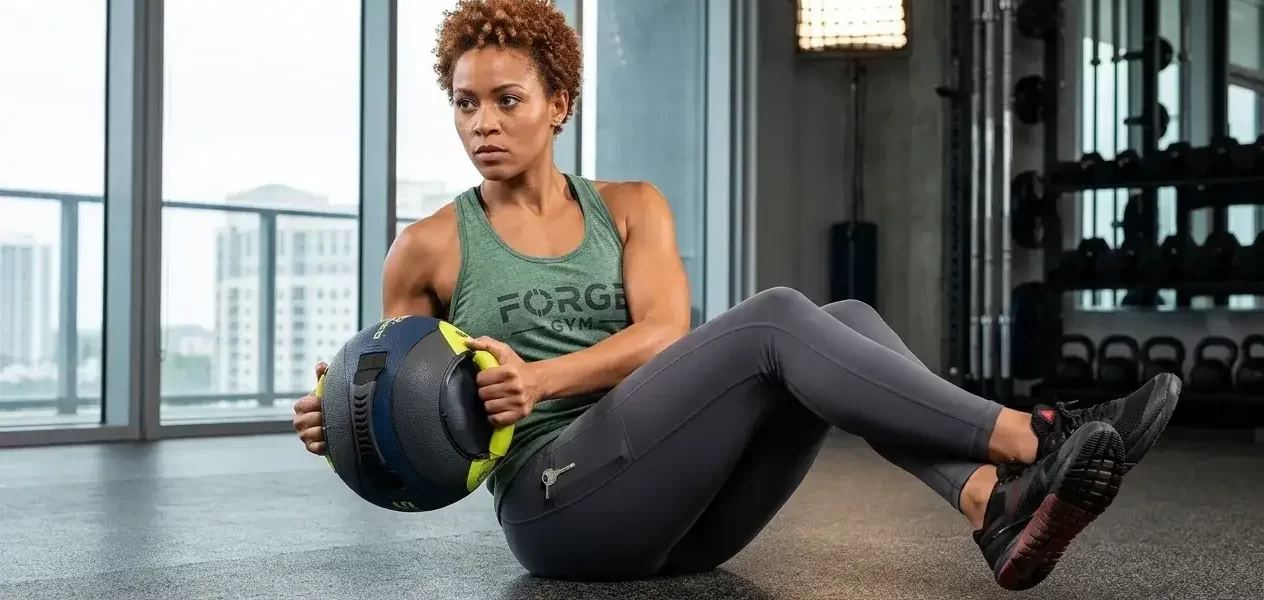
If you’re wondering whether ab workouts at home can truly help you build a stronger, leaner core, the answer is yes—when done correctly. Research shows that core training improves stability, posture, balance, and overall movement quality, even without equipment.
This guide breaks down the 20 best ab exercises you can do at home, along with beginner-to-advanced routines, safety tips, and common mistakes to avoid. Whether your goal is better posture, stronger abs, or improved athletic performance, this article gives you everything you need to get started.
Bene
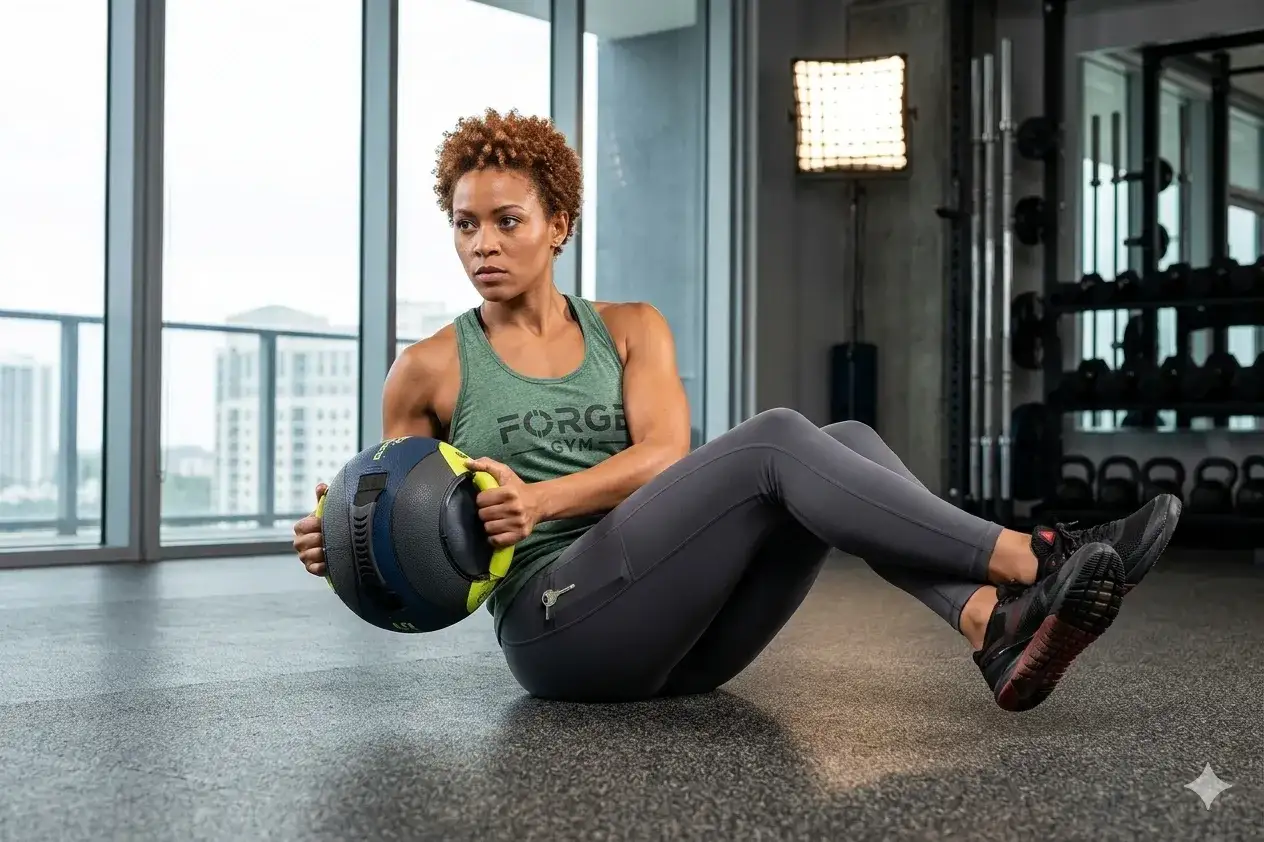
fits of Ab Workouts at Home
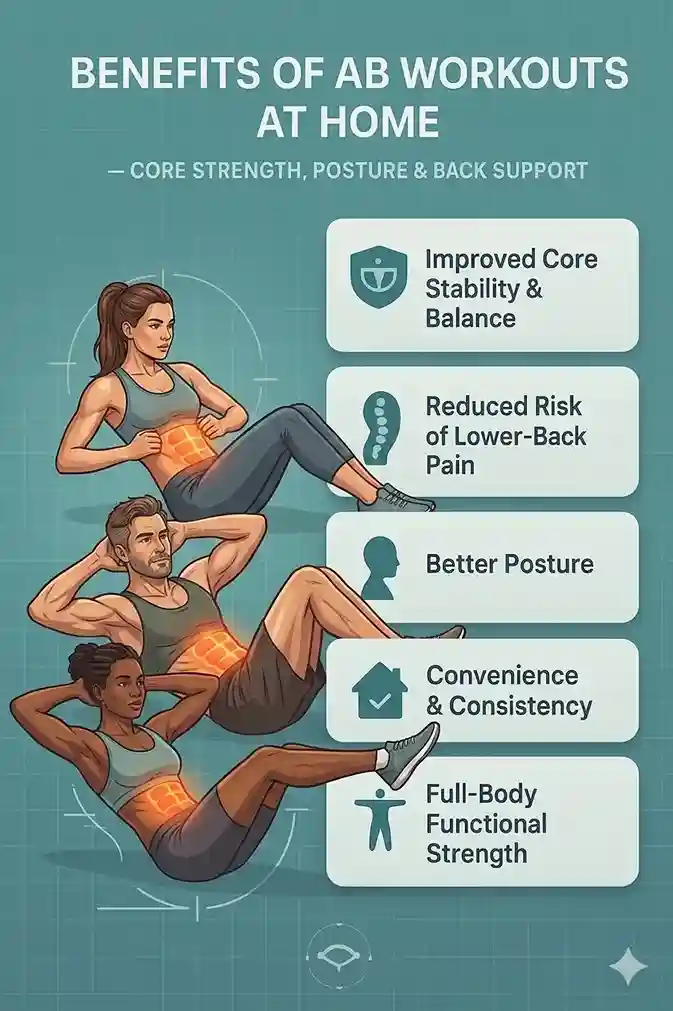
Training your core consistently offers more than just visible abs. Here are the key benefits:
Improved Core Stability and Balance
A strong core supports nearly every movement you make, from walking to lifting. Better stability also reduces your risk of injury.
Reduced Lower Back Pain
Weak abdominal muscles often lead to lower back strain. Strengthening your core helps support your spine and relieve pressure.
Better Posture
Core muscles help keep your spine aligned, improving posture whether you’re sitting, standing, or exercising.
Convenience and Consistency
No equipment is needed, making it easier to stay consistent and train anywhere.
Functional Strength
Core workouts contribute to overall strength and daily performance, aligning with global fitness guidelines.
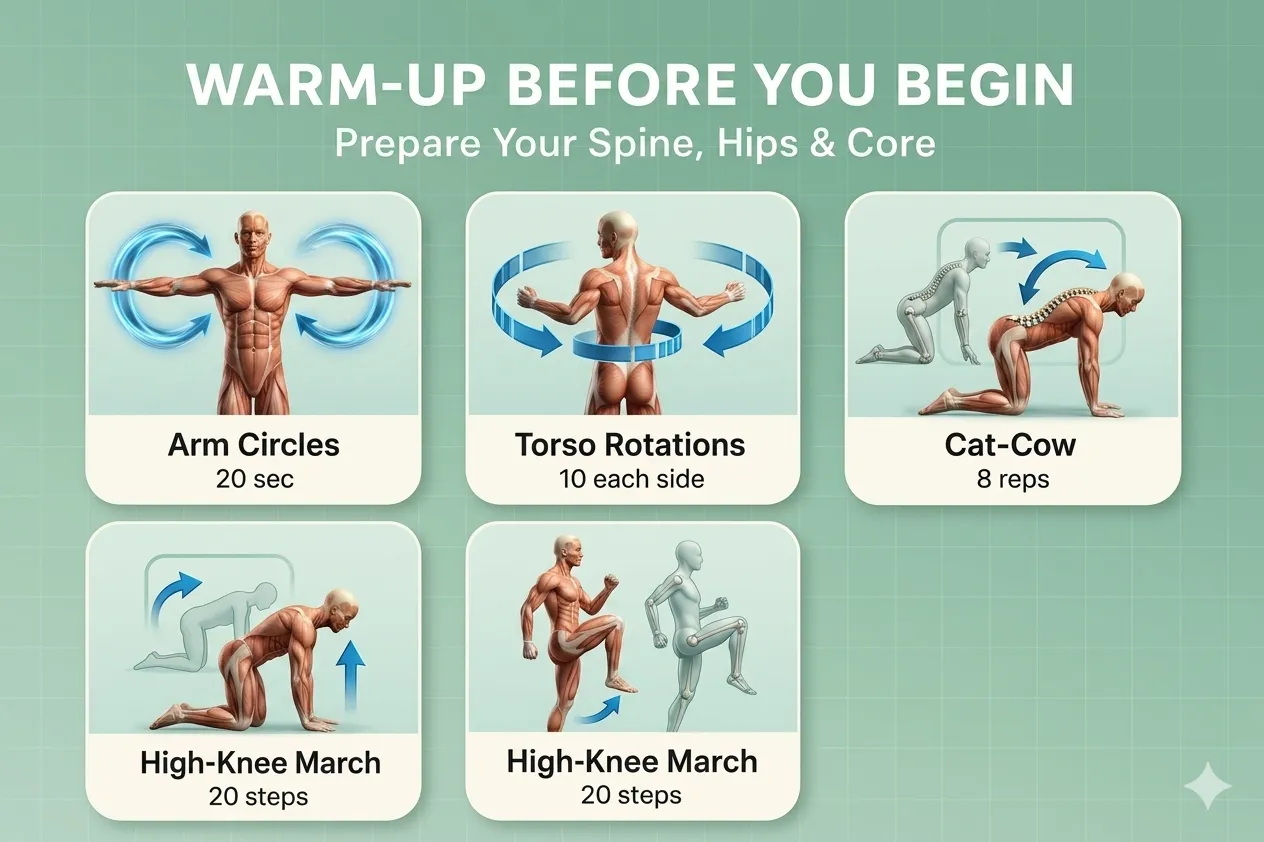
Warm-Up Before You Begin
A proper warm-up prepares your muscles and reduces injury risk.
Quick 2–3 Minute Warm-Up
- Arm circles – 20 seconds
- Torso rotations – 10 per side
- Cat–cow – 8 reps
- High-knee march – 20 steps
- Pelvic tilts – 10 reps
Move slowly and keep your core lightly engaged throughout.
20 Best Ab Workouts at Home
These exercises target your entire core using only bodyweight.
1. Crunch
Targets the upper abs and builds foundational strength.
Focus on lifting your shoulders using your core, not your neck.
2. Reverse Crunch
Activates the lower abs with controlled pelvic movement.
Lift your hips slightly while keeping your lower back pressed down.
3. Bicycle Crunch
Combines rotation and flexion for full core activation.
Extend your legs fully for better results.
4. Dead Bug
Improves core stability and protects your lower back.
Keep your back flat throughout the movement.
5. Lying Leg Raise
Strengthens the lower abs with controlled movement.
Avoid arching your lower back.
6. Flutter Kicks
Builds endurance in the lower abs.
Keep your movements small and controlled.
7. Forearm Plank
A full-core isometric exercise that improves stability.
Maintain a straight body line.
8. High Plank
Adds upper-body engagement to core training.
Keep your shoulders stacked over your hands.
9. Side Plank
Targets the obliques and improves lateral stability.
Keep your hips lifted and aligned.
10. Plank With Shoulder Taps
Challenges balance and anti-rotation strength.
Minimize hip movement.
11. Mountain Climbers
Combines cardio and core strength.
Move in a controlled rhythm.
12. Russian Twists
Targets the obliques through rotation.
Keep your chest lifted.
13. Hollow Hold
One of the most effective deep core exercises.
Keep your lower back pressed into the floor.
14. Bear Crawl Hold
Builds core and shoulder stability.
Keep your knees slightly off the ground.
15. Standing Side Crunch
A beginner-friendly, low-impact exercise.
Focus on controlled movement.
16. Standing Knee-to-Elbow Twist
Improves coordination and rotation strength.
Avoid rushing the movement.
17. Bird Dog
Strengthens the core and improves balance.
Pause briefly at full extension.
18. Hip Lift
Targets the lower abs with controlled lifting.
Initiate movement from your core, not your legs.
19. Plank Jacks
Adds intensity and cardio to core training.
Keep your hips stable.
20. Slow Mountain Climbers
Improves control and time under tension.
Move slowly for maximum effectiveness.
Do Ab Workouts at Home Really Work?
Yes. Studies consistently show that core training improves strength, posture, and stability, even without equipment. The key factor is consistency, not complexity.
Common Mistakes to Avoid
- Rushing through reps
- Using momentum instead of control
- Arching the lower back
- Holding your breath
- Only doing crunches
- Training abs every day without rest
Fixing these mistakes will improve both safety and results.
How Often Should You Train Abs?
For most people:
- Train abs 2–3 times per week
- Allow at least 24 hours of recovery
- Light core activation can be done more frequently
Sample At-Home Ab Workout Plans
Beginner (10 Minutes)
- Dead bug – 10 per side
- Crunch – 10 reps
- Bird dog – 10 per side
- Standing knee-to-elbow – 20 reps
Repeat once.
Intermediate (15 Minutes)
- Plank – 30 seconds
- Reverse crunch – 12 reps
- Side plank – 20 seconds per side
- Russian twist – 20 reps
Repeat twice.
Advanced (15–20 Minutes)
- Hollow hold – 20 seconds
- Bicycle crunch – 20 reps
- Plank shoulder taps – 20 reps
- Leg raises – 12 reps
Repeat 2–3 times.
Who Should Be Careful
Consult a professional before starting if you have:
- Lower back injuries
- Herniated discs or sciatica
- Osteoporosis
- Recent surgery
- Unexplained pain or numbness
Safer options include dead bug, bird dog, and modified planks.
Frequently Asked Questions
Can you get abs with home workouts only?
Yes, with consistent training and proper nutrition.
How long before results appear?
Most people notice improvements in 3–6 weeks.
Are ab workouts safe for beginners?
Yes, especially with controlled and low-impact exercises.
Can ab workouts reduce belly fat?
They help, but fat loss depends on overall lifestyle and diet.
How long should a workout last?
10–20 minutes is enough for most people.
Should you train abs every day?
No. 2–3 sessions per week is sufficient.
Final Thoughts
Ab workouts at home are a simple and effective way to build a stronger, leaner core without equipment. By focusing on proper form, avoiding common mistakes, and staying consistent, you can improve posture, stability, and overall strength.
Start with a routine that fits your level, progress gradually, and stay consistent. Your results will follow.