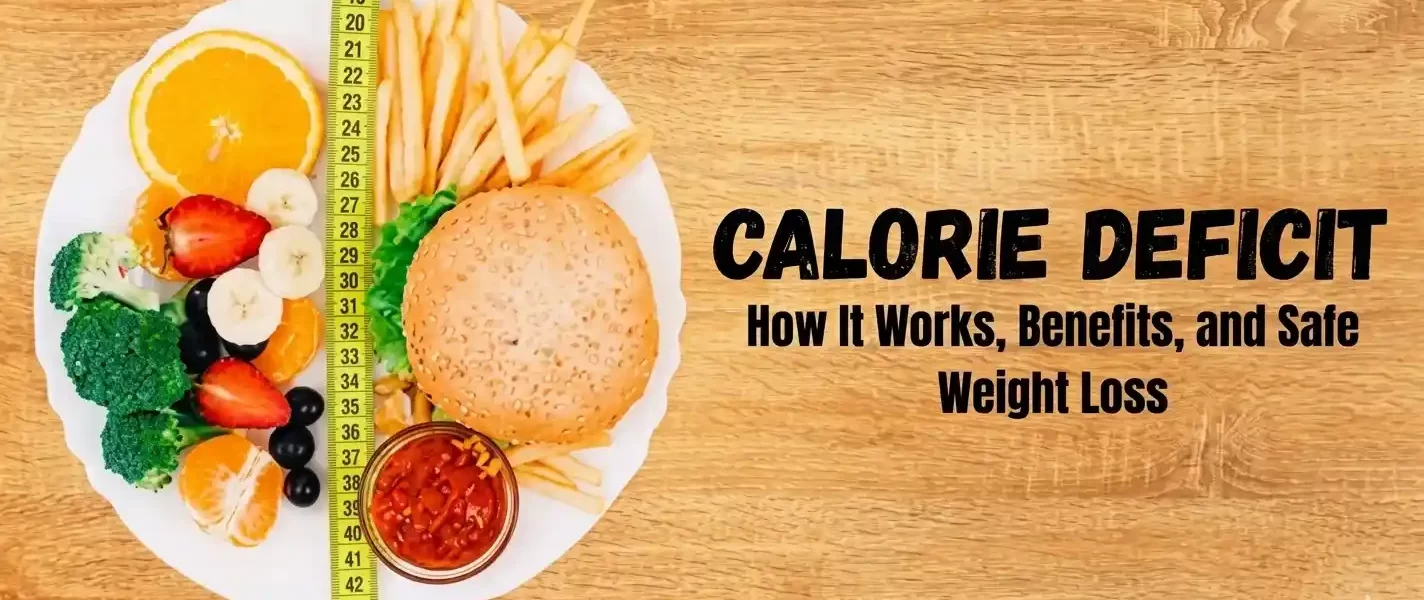

Understanding how your body burns calories is essential if you want to lose weight, maintain energy, and improve overall health. Many people blame a “slow metabolism” for weight gain—but the truth is more nuanced. In this guide, we break down what metabolism really is, how it affects weight loss, and practical ways to burn more calories effectively.
What Is Metabolism?
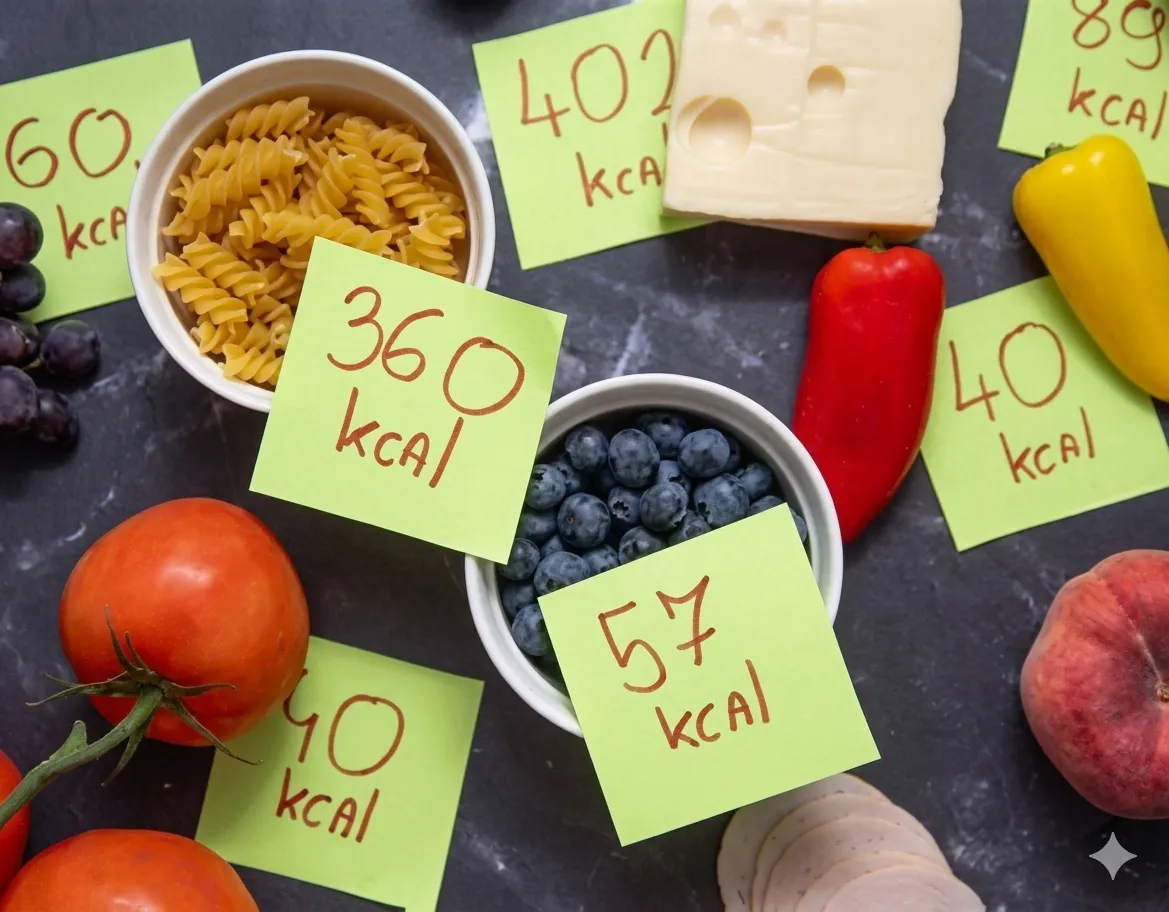
Even when you’re resting, your body still burns calories to keep you alive. This is known as your Basal Metabolic Rate (BMR)—the number of calories your body needs to perform basic life-sustaining functions.
What Affects Your Metabolism?
Your metabolism isn’t fixed—it’s influenced by several key factors:
1. Body Composition
People with more muscle mass burn more calories, even at rest. Muscle is metabolically active tissue, meaning it requires more energy to maintain than fat.
2. Body Size
Larger individuals naturally burn more calories because their bodies require more energy to function.
3. Age
As you get older, muscle mass tends to decrease while body fat increases. This shift can slow down calorie burning.
4. Sex
Men typically have more muscle and less body fat than women, which often leads to a higher metabolic rate.
The Truth About Slow Metabolism
A slow metabolism is rarely the main cause of weight gain.
While certain medical conditions like hypothyroidism or Cushing syndrome can affect metabolism, they are relatively uncommon. In most cases, weight gain happens because:
- You consume more calories than you burn
- You move less throughout the day
- Lifestyle factors like stress, sleep, and diet play a role
Bottom line: Calories still matter. Weight loss happens when you burn more calories than you consume.
How Your Body Burns Calories Daily
Your total daily calorie burn comes from three main sources:
1. Basal Metabolic Rate (BMR)
Calories burned at rest for basic body functions.
2. Thermic Effect of Food (TEF)
Digesting and processing food burns calories—about 10% of your daily intake.
3. Physical Activity
This includes both exercise and everyday movement.
What Is NEAT (Non-Exercise Activity Thermogenesis)?
NEAT refers to the calories burned through daily activities outside of structured exercise, such as:
- Walking around your home
- Cleaning or doing chores
- Gardening
- Even fidgeting
NEAT can burn anywhere from 100 to 800 calories per day, making it a powerful (and often overlooked) tool for weight management.
How to Boost Calorie Burn Naturally
You can’t drastically change your BMR, but you can increase how many calories you burn each day. Here’s how:
1. Move More Throughout the Day
Small movements add up. Take the stairs, walk more, and avoid sitting for long periods.
2. Do Regular Cardio
Aim for:
- 150 minutes of moderate exercise per week (like brisk walking), or
- 75 minutes of vigorous exercise (like running)
More activity (up to 300 minutes/week) can lead to even greater benefits.
3. Build Muscle with Strength Training
Strength training at least 2 times per week helps increase muscle mass, which boosts calorie burn—even at rest.
4. Stay Consistent
Short bursts of activity throughout the day still count. Consistency matters more than intensity alone.
Does Exercise Speed Up Metabolism?
Yes—but not in the way most people think.
Exercise doesn’t drastically change your resting metabolism long-term, but it significantly increases the number of calories you burn daily. People who seem to have a “fast metabolism” are often just more active overall.
Beware of “Metabolism Boosting” Claims
There is no magic pill or supplement that can significantly speed up your metabolism.
Many products that claim to “boost metabolism”:
- Lack scientific evidence
- May cause unwanted side effects
- Are not strictly regulated
The safest and most effective approach is still diet + movement + consistency.
A Realistic Approach to Weight Loss
To lose weight safely and sustainably:
- Reduce your daily calorie intake by 500–750 calories
- Combine this with increased physical activity
- Aim for a gradual loss of 0.5–0.7 kg (1–1.5 pounds) per week
This approach is more sustainable and helps preserve muscle mass.
Key Takeaways
- Metabolism is how your body converts food into energy
- A slow metabolism is rarely the main cause of weight gain
- Physical activity plays the biggest role in calorie burn
- Building muscle and staying active are key strategies
- There’s no quick fix—consistent habits lead to lasting results
Final Thoughts
Your metabolism is just one piece of the weight-loss puzzle. Instead of worrying about whether it’s “fast” or “slow,” focus on what you can control: your daily habits, movement, and food choices.
Sustainable weight loss isn’t about shortcuts—it’s about building a lifestyle that supports your health long-term.