
Healthy Eating Tips: Simple Ways to Build Better Habits Every Day
 Leo Thompson
Posted on
Leo Thompson
Posted on Healthy eating doesn’t have to be complicated or restrictive. By focusing on whole, nutrient-dense foods and making small, practical changes, you can improve your diet and overall well-being without stress.
In this guide, you’ll discover easy, science-backed healthy eating tips you can apply in real life—no extreme dieting required.
Table of Contents
ToggleWhat Is Healthy Eating?
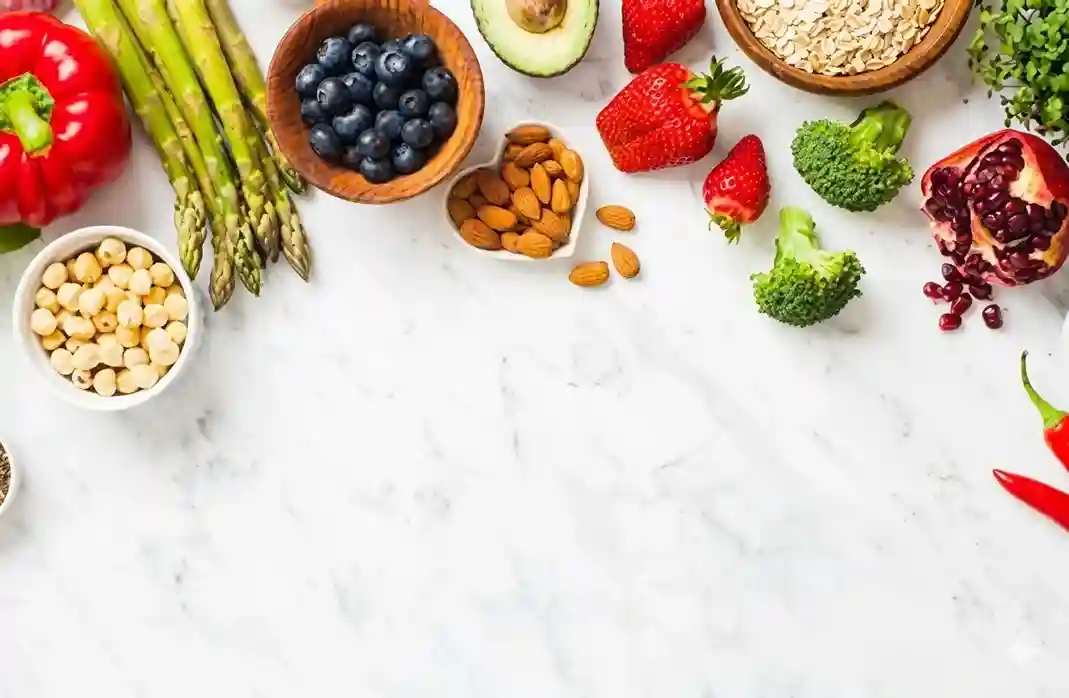
Healthy eating means choosing foods that nourish your body with essential nutrients like:
- Protein
- Healthy fats
- Fiber
- Vitamins and minerals
A balanced diet typically includes:
- Lean proteins (eggs, poultry, fish, beans, nuts)
- Dairy or dairy alternatives (without added sugar)
- Vegetables and fruits
- Whole grains
- Healthy fats (olive oil, avocado, seeds)
The goal isn’t perfection—it’s consistency and balance.
Why Healthy Eating Matters
Making better food choic
es can:
- Support a healthy weight
- Reduce the risk of chronic diseases
- Improve digestion and energy levels
- Enhance heart and metabolic health
At the same time, many people consume too many:
- Highly processed foods
- Added sugars
- Sodium
- Refined carbohydrates
Improving your diet starts with small, sustainable changes.
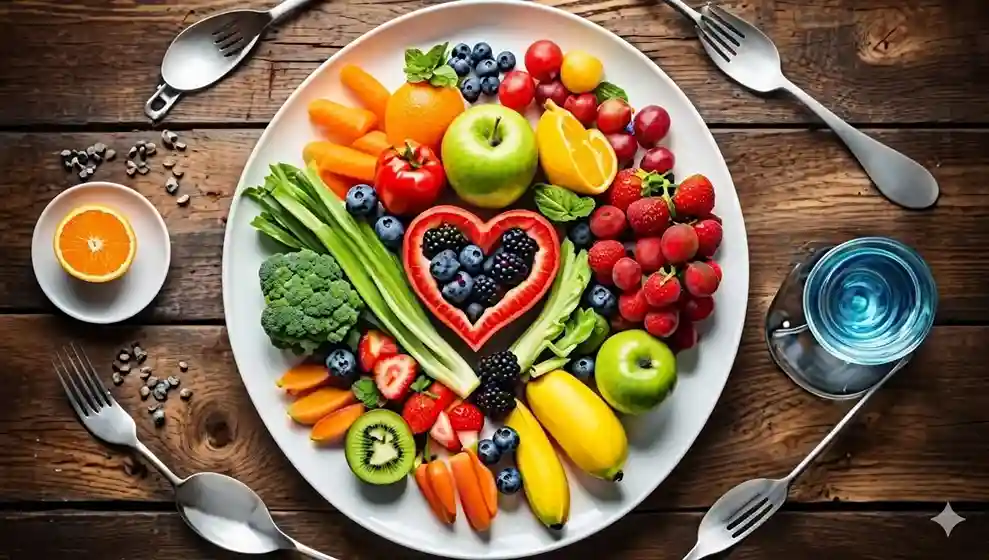
1. Eat a Rainbow of Foods
One of the easiest ways to eat healthier is to add more color to your plate.
Colorful fruits and vegetables are rich in:
- Fiber
- Antioxidants
- Essential vitamins and minerals
Easy ways to add more color:
- Add fresh herbs to salads or cooked meals
- Mix vegetables like peppers, broccoli, and onions into dishes
- Top yogurt or oatmeal with fresh fruit
- Add vegetables to omelets, soups, and stews
The more variety, the more nutrients your body gets.
2. Limit Added Sugar
Too much added sugar is linked to:
- Weight gain
- Type 2 diabetes
- Heart disease
Added sugars can appear under many names, such as:
- Cane sugar
- Corn syrup
- Dextrose
- Fructose
Smart ways to cut back:
- Drink water instead of sugary beverages
- Add fruit for natural sweetness
- Avoid sugary snacks and desserts
- Skip flavored syrups in coffee
- Read nutrition labels carefully
Small swaps can significantly reduce your daily sugar intake.
3. Cut Back on Sodium
Excess sodium can increase the risk of:
- High blood pressure
- Heart attack
- Stroke
Most sodium comes from processed and packaged foods, not just table salt.
Tips to reduce sodium:
- Choose fresh or minimally processed foods
- Cook more meals at home
- Check labels for low-sodium options
- Limit foods like deli meats, pizza, and packaged snacks
Cooking from scratch gives you full control over your salt intake.
4. Increase Your Fiber Intake
Fiber plays a key role in:
- Digestive health
- Blood sugar control
- Cholesterol reduction
- Feeling full longer
Great sources of fiber:
- Fruits and vegetables
- Whole grains (oats, brown rice)
- Beans and lentils
- Nuts and seeds
Easy ways to add more fiber:
- Start your day with oatmeal or whole-grain cereal
- Snack on raw vegetables or fruit
- Add beans or lentils to salads and soups
- Top meals with seeds or nuts
A fiber-rich diet supports both gut health and weight management.
5. Build Simple, Balanced Meals
Healthy eating doesn’t require complicated recipes.
A simple formula:
- Protein + Healthy Fat + Fiber-rich Carbs
Examples:
- Grilled chicken + avocado + vegetables
- Oatmeal + nuts + berries
- Rice + beans + sautéed veggies
This combination helps keep you:
- Full longer
- Energized
- Less likely to overeat
6. Make Healthy Choices Fit Your Life
Healthy eating should match your:
- Budget
- Culture
- Taste preferences
- Schedule
You don’t need a strict diet plan. Instead:
- Shop smart and keep healthy foods at home
- Prepare simple meals
- Focus on progress, not perfection
Practical Healthy Eating Tips
- Cook more meals at home
- Stay hydrated with water
- Snack on whole foods instead of processed options
- Read food labels before buying
- Plan meals ahead when possible
Final Thoughts
Healthy eating is about building habits that you can maintain long-term. You don’t need to follow strict rules or eliminate your favorite foods.
Start small:
- Add more vegetables
- Drink more water
- Reduce sugar and sodium
Over time, these simple changes can lead to lasting improvements in your health and lifestyle.
You Might Also Like