
Fiber is one of the most overlooked nutrients in modern diets—yet it plays a critical role in overall health. If you think you’re getting enough fiber, you might want to think again. Most adults fall far short of the recommended intake, which can impact digestion, heart health, and even immunity.
In this SEO-optimized guide, we’ll break down what fiber is, why it matters, and how to easily increase your daily intake.
How Much Fiber Do You Really Need?
According to dietary guidelines:
- Adults should consume 14 grams of fiber per 1,000 calories
- That equals about 28–34 grams per day for most men (and slightly less for women)
However, studies show that most people consume less than half of this amount.
Why Are We Not Getting Enough Fiber?

The main reason is modern eating habits:
- Increased consumption of processed foods
- Diets high in refined grains like white rice and white flour
- Lower intake of whole, plant-based foods
Processed foods often have fiber removed during production, leaving behind “empty calories.”
Additionally, as people age:
- They tend to eat fewer calories
- Fiber intake naturally decreases
- Some fiber-rich foods may be harder to chew
The Two Types of Fiber (And Why You Need Both)
1. Soluble Fiber
- Dissolves in water to form a gel-like substance
- Slows digestion
- Helps you feel full longer
- Supports healthy cholesterol levels
2. Insoluble Fiber
- Does not dissolve in water
- Adds bulk to stool
- Promotes regular bowel movements
- Helps prevent constipation
A balanced diet should include both types of fiber for optimal health.
Health Benefits of a High-Fiber Diet
Getting enough fiber isn’t just about digestion—it impacts your entire body:
Supports Heart Health
- Helps lower LDL (“bad”) cholesterol
- Reduces risk of cardiovascular disease
Protects Brain Function
- Emerging research links fiber intake to a lower risk of cognitive decline
Boosts Gut Health
- Feeds beneficial gut bacteria
- Strengthens the immune system
- Reduces inflammation
Helps Manage Weight
- Keeps you full longer
- Reduces overeating
Lowers Disease Risk
- Associated with reduced risk of:
- Type 2 diabetes
- Certain cancers
- Digestive disorders
Best High-Fiber Foods to Add to Your Diet
You don’t need complicated tracking—just focus on variety. Great sources include:
- Fruits: berries, apples, pears
- Vegetables: broccoli, carrots, leafy greens
- Legumes: beans, lentils, peas
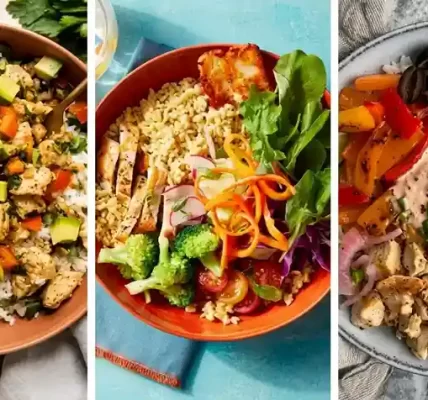
- Whole grains: oats, brown rice, quinoa, bulgur
- Nuts & seeds: almonds, chia seeds, flaxseeds
Simple Ways to Increase Fiber Intake
Making small changes can have a big impact:
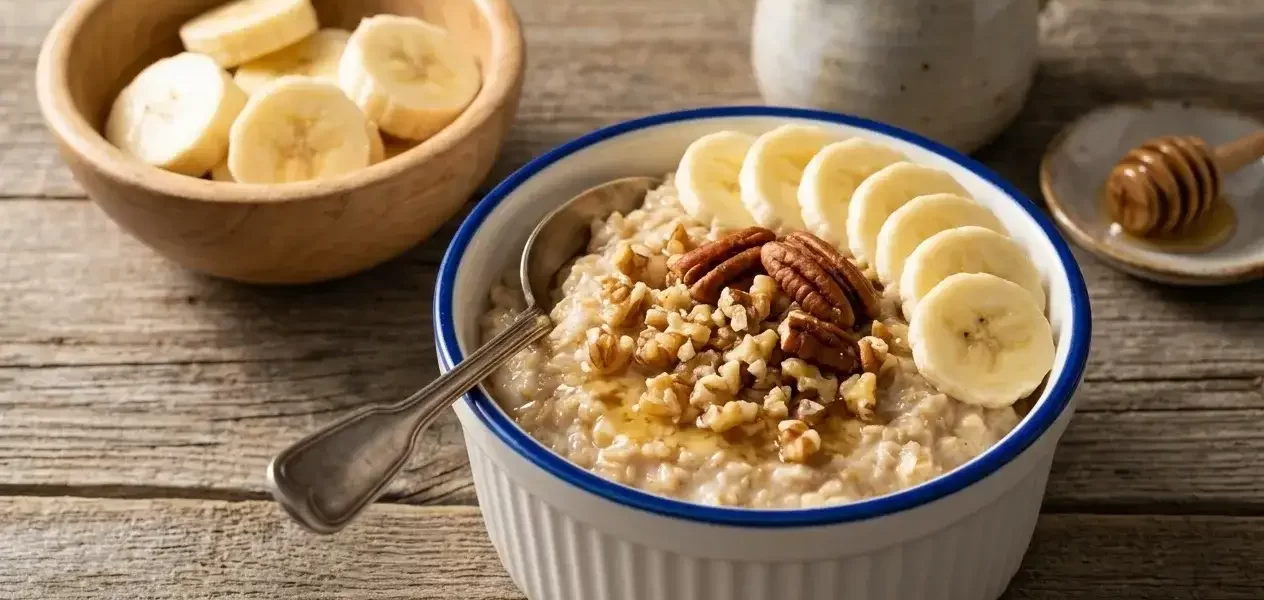
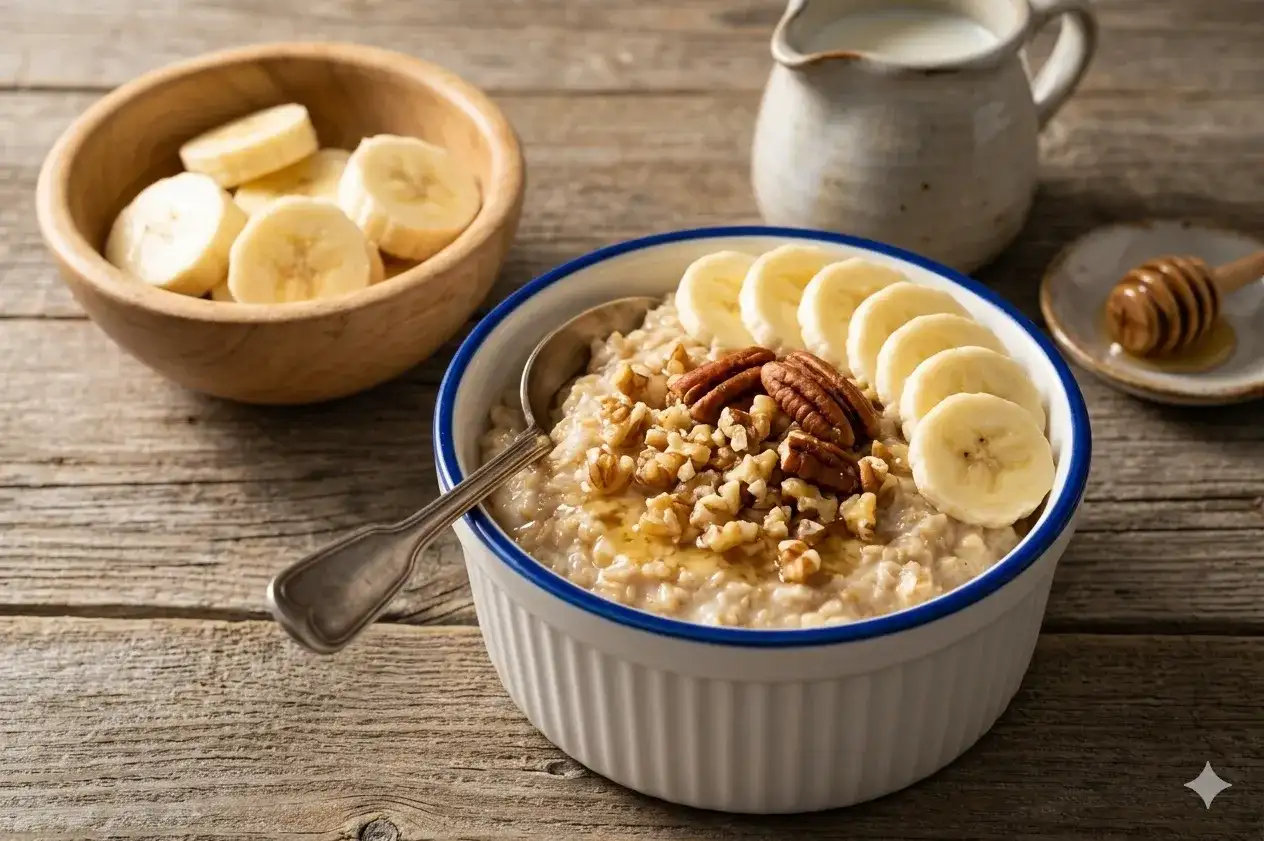
- Start your day with oatmeal topped with fruit and nuts
- Replace white rice with brown rice or whole grains
- Eat beans or lentils at least 2–3 times per week
- Swap regular pasta for whole-grain or legume-based pasta
- Add vegetables to every meal
Tip: Begin with foods you already enjoy and gradually expand your choices.
Should You Use Fiber Supplements?
Fiber supplements are widely available in forms like powders, capsules, and chewables. They can be helpful if:
- You have difficulty consuming enough fiber through food
- You experience constipation
- You follow a restricted diet
However, supplements should not replace whole foods, as they lack essential vitamins, minerals, and antioxidants.
Always consult a healthcare professional before starting supplements.
Increase Fiber Safely
Adding too much fiber too quickly can cause:
- Bloating
- Gas
- Stomach cramps
To avoid discomfort:
- Increase fiber gradually
- Drink plenty of water
- Allow your digestive system time to adjust
Final Thoughts
Fiber is a powerful nutrient that supports digestion, heart health, immunity, and more—yet most people don’t get enough of it.
The solution isn’t complicated:
Focus on whole, plant-based foods, reduce refined grains, and make small, consistent changes to your diet.
Over time, these habits can lead to significant improvements in your overall health.
SEO Keywords to Target
fiber benefits, high fiber foods, how much fiber per day, soluble vs insoluble fiber, improve gut health naturally, foods high in fiber, fiber for weight loss
If you want, I can also turn this into a Pinterest infographic, checklist, or meal plan focused on fiber-rich foods to boost your traffic