


If you’ve ever heard people talk about “tracking macros,” it can sound complicated—like nutrition turned into math homework. But the truth is much simpler.
Macros aren’t confusing formulas. They’re the basic nutrients your body needs every day to function, feel energized, and achieve your fitness goals.
This beginner-friendly guide will help you understand macros in a simple, practical way—so you can stop guessing and start eating with confidence.
What Are Macros?
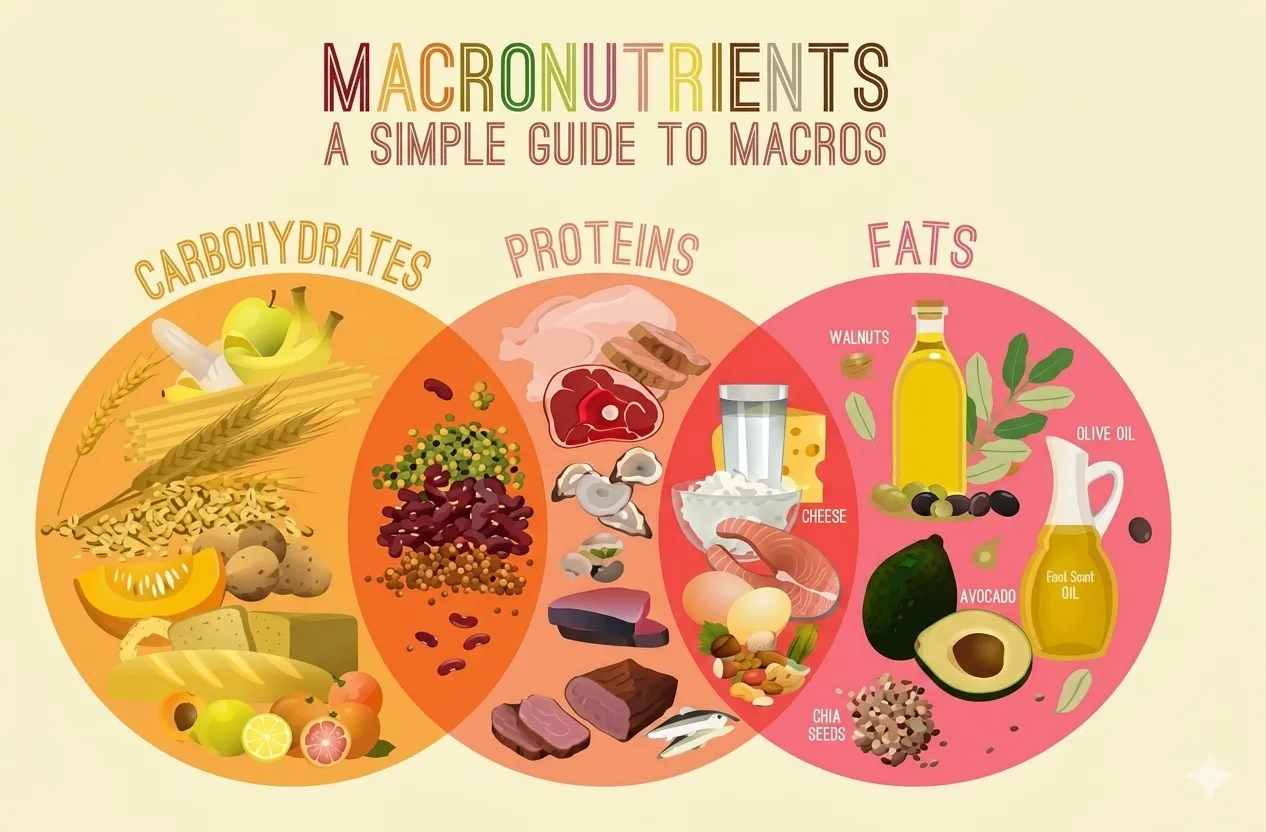
“Macros” is short for macronutrients—the three main nutrients your body uses for energy:
- Protein: Builds and repairs muscle, keeps you full
- Carbohydrates (Carbs): Provide energy for your body and brain
- Fats: Support hormones and help absorb vitamins
Think of macros as three controls that influence your energy, hunger, and results. It’s not about perfection—it’s about balance.
Why Beginners Struggle with Macros
Many people give up on macro tracking because it feels either:
- Too simple (“just eat more protein”)
- Or too complex (tracking every gram perfectly)
The reality is: your needs are personal. Your age, lifestyle, and goals all affect how much of each macro you need.
That’s why strict, one-size-fits-all plans often fail.
Key mindset: You don’t need perfection—you need awareness and flexibility.
Step 1: Find Your Daily Calories (TDEE)
Before setting macros, you need to know how many calories your body needs daily—also called your Total Daily Energy Expenditure (TDEE).
This depends on:
- Your metabolism (BMR)
- Your activity level
Set your goal:
- Weight loss → reduce calories by 10–20%
- Maintenance → stay at your current level
- Muscle gain → increase calories by 10–15%
Don’t overthink the math—this is just a starting point, not a strict rule.
Step 2: Set Your Macro Ratios
A simple, beginner-friendly macro split looks like this:
- Protein: 25–35%
- Carbs: 40–50%
- Fats: 20–30%
Example (1,800 calories/day):
- Protein: ~135g
- Carbs: ~200g
- Fats: ~50g
These numbers don’t need to be exact—they’re flexible guidelines.
Step 3: Turn Macros Into Real Meals
This is where many people get stuck—but it doesn’t have to be complicated.
Use simple portion guides:
- Protein → palm-sized portion (chicken, tofu, eggs, yogurt)
- Carbs → cupped hand (rice, oats, fruit)
- Fats → thumb-sized (olive oil, nuts, peanut butter)
Easy rule:
Build each meal with:
- 1 protein
- 1 carb
- 1 fat
That’s it—you’re already eating in balance without tracking every detail.
Step 4: Adjust Based on Your Body
Your macro plan should evolve with you.
Make small adjustments if needed:
- Low energy → increase carbs
- Always hungry → add protein or fats
- No progress → review total calories
Change slowly (5–10% at a time) and observe how you feel.
Remember: You’re not failing—you’re learning what works for your body.
Step 5: Keep It Sustainable
Macros are a tool—not a strict lifestyle.
Build habits that last:
- Plan a few simple meals and rotate them
- Stay flexible when eating out
- Focus on consistency, not perfection
Ask yourself weekly:
“Do I feel energized and satisfied?”
Not: “Did I hit every number exactly?”
Step 6: Use Technology (If Helpful)
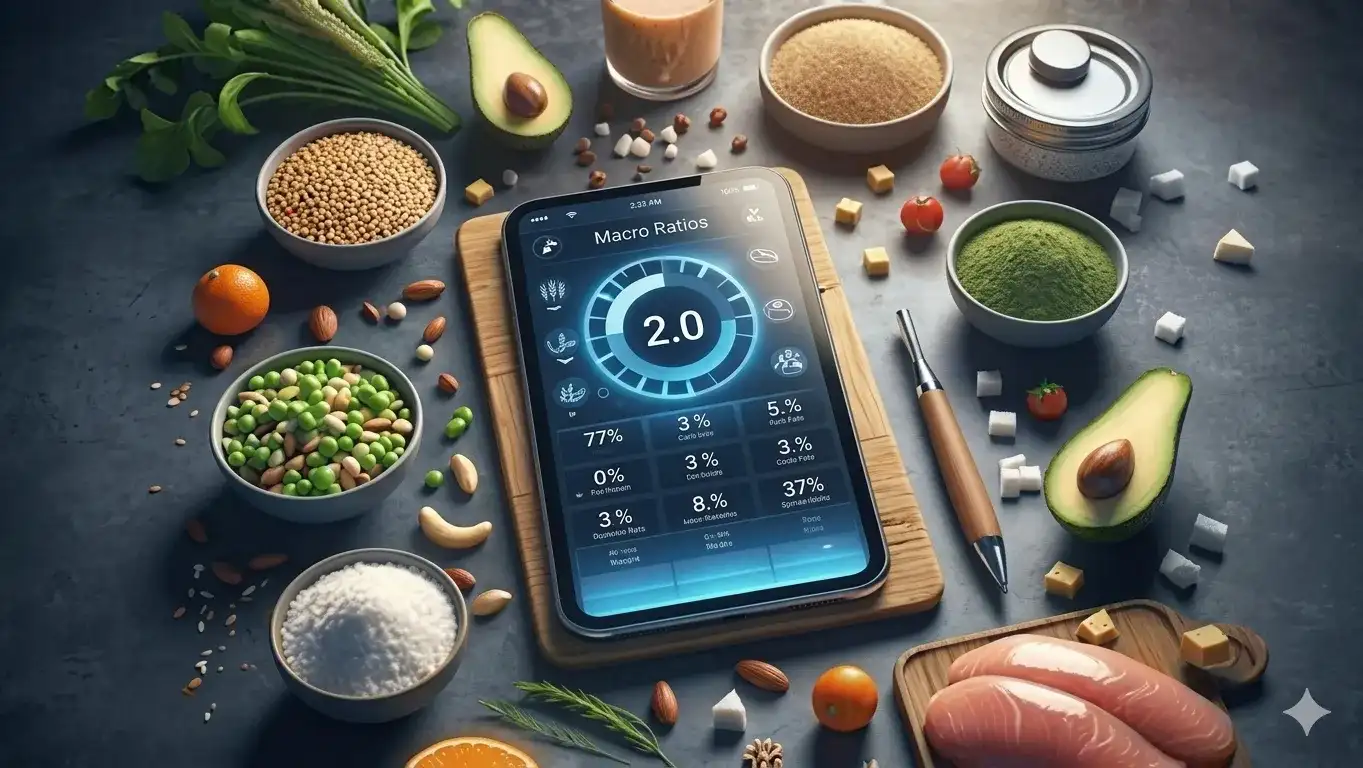
Once you understand the basics, apps can make tracking easier.
They can:
- Calculate your macros automatically
- Track your meals
- Adjust based on progress
But remember—the goal is to simplify your life, not obsess over numbers.
Step 7: Focus on Mindset, Not Perfection
Macro tracking can sometimes lead to pressure or perfectionism.
Instead:
- Be flexible with your meals
- Don’t stress over one off-day
- Focus on long-term habits
One meal doesn’t define your progress—your overall pattern does.
Final Thoughts
Macros aren’t about strict dieting or perfect numbers.
They’re about:
- Understanding your body
- Making better food choices
- Building sustainable habits
When you learn how macros work, food becomes less stressful and more intuitive.
You’re not just tracking food—you’re building a system that supports your energy, health, and goals.
Start Simple
You don’t need to change everything today.
Just begin with one step:
- Add more protein
- Balance your meals
- Pay attention to how you feel
Small changes, done consistently, lead to real results.