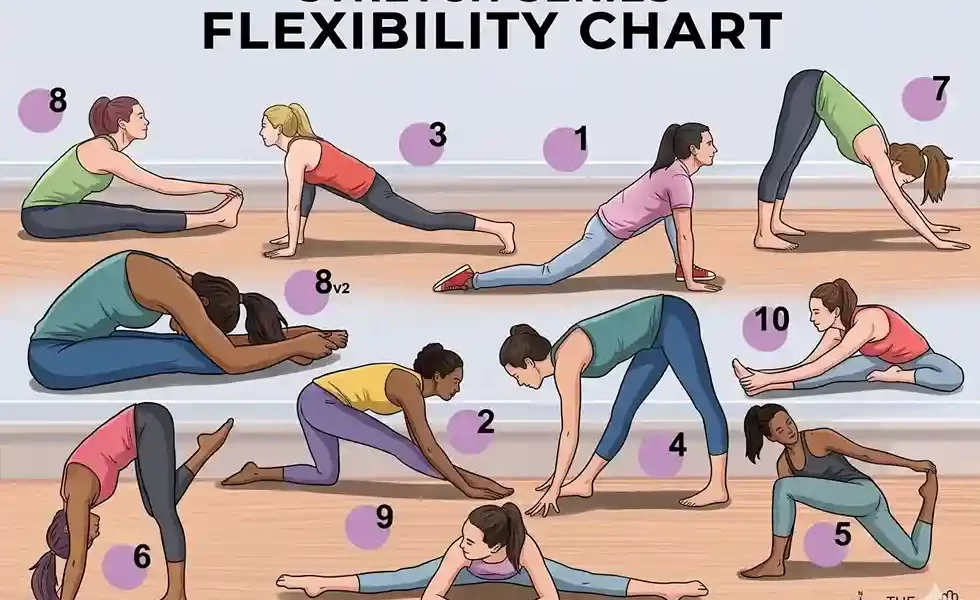

Improving flexibility isn’t just about touching your toes—it’s about moving better, reducing injury risk, and enhancing your overall quality of life. Whether you’re an athlete or just starting your fitness journey, becoming more flexible can boost mobility, posture, and performance.
In this SEO-optimized guide, you’ll learn how to increase flexibility quickly and safely, with proven exercises, expert tips, and simple lifestyle changes.
Why Flexibility Matters
Better flexibility can:
- Improve range of motion and mobility
- Reduce the risk of injuries and muscle strain
- Enhance posture and balance
- Support better performance in workouts and daily activities
- Relieve muscle tension and stiffness
Quick Steps to Improve Flexibility Fast
- Start with dynamic stretching before workouts
- Add static stretching after exercise
- Use isometric stretching for faster results
- Practice yoga or dance 2–3 times per week
- Stay consistent and listen to your body
1. Start with Dynamic Stretching
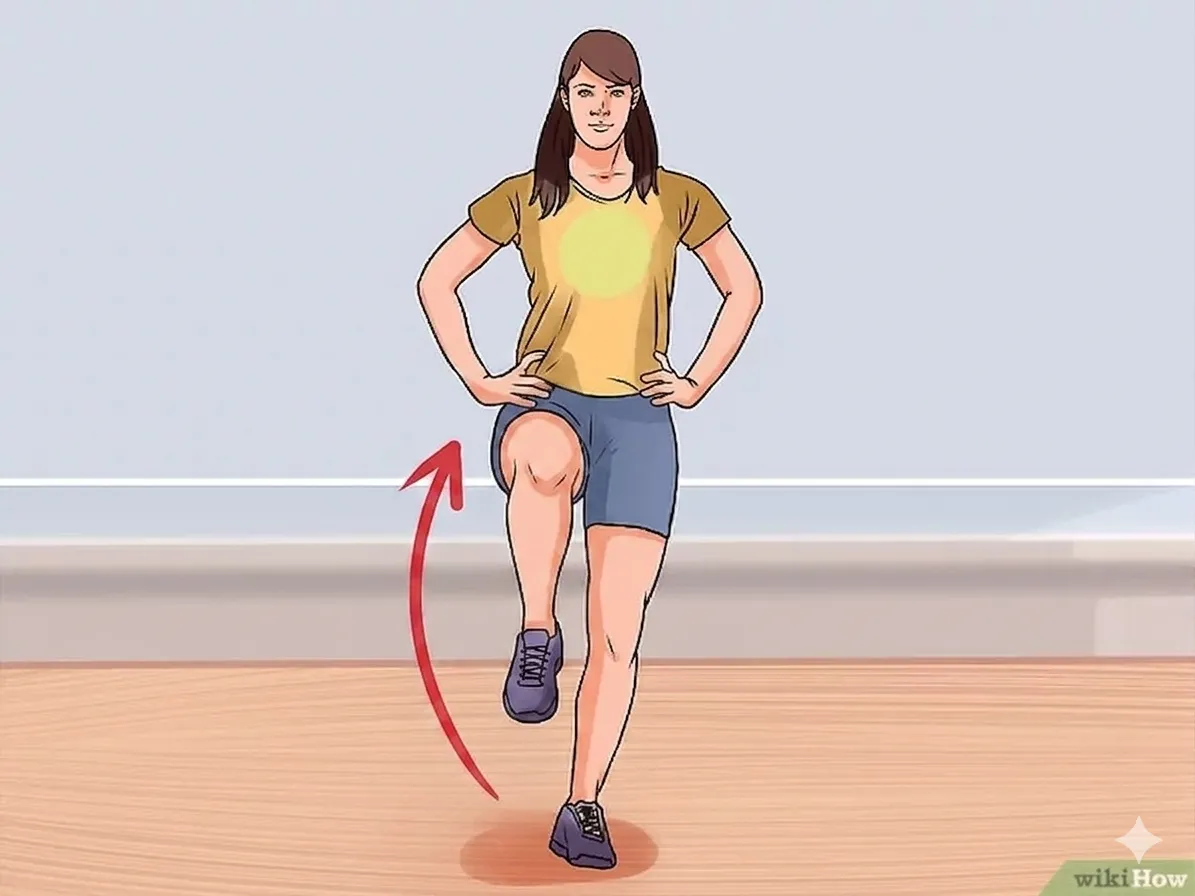
Dynamic stretches use controlled movement to warm up your muscles and prepare your body for activity.
Benefits:
- Increases blood flow
- Improves range of motion
- Enhances workout performance
Examples of dynamic stretches:
- High knees
- Walking lunges
- Arm swings
- Toe raises
- Inchworms
Tip: Perform dynamic stretches before every workout for 5–10 minutes.
2. Add Static Stretching After Workouts
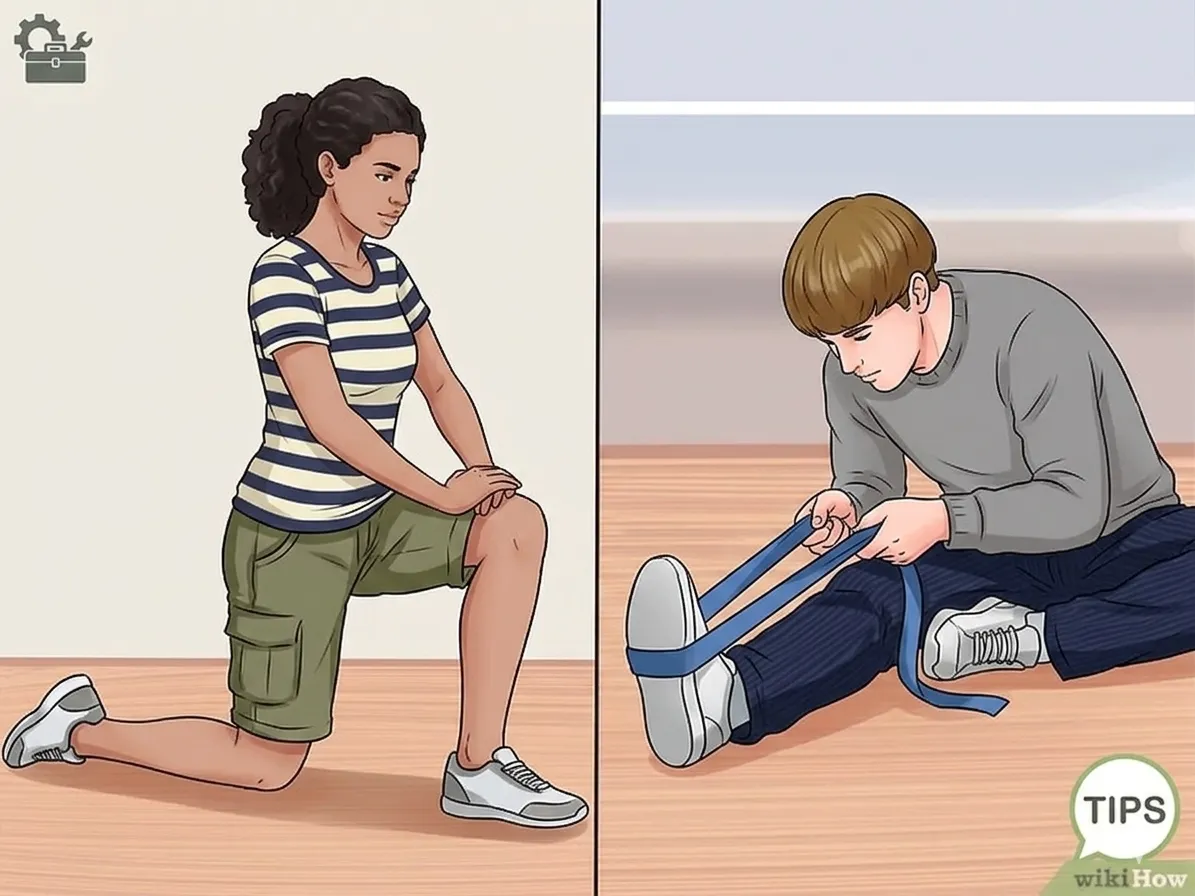
Static stretching involves holding a stretch at its end position.
How to do it:
- Hold each stretch for 10–30 seconds
- Repeat 2–3 times per muscle group
- Stretch daily for faster results
Example: Hip Flexor Stretch
- Kneel in a lunge position
- Push your hips forward gently
- Hold and switch sides
Pro tip: You should feel mild tension—not pain.
3. Use Isometric Stretching for Faster Gains
Isometric stretching combines stretching with muscle contraction, helping you increase flexibility more quickly.
How it works:
- Stretch a muscle
- Contract it for 7–15 seconds
- Relax and repeat
Benefits:
- Improves flexibility rapidly
- Builds strength
- Reduces discomfort during stretching
4. Try Yoga or Dance
Activities like yoga and dancing combine movement, stretching, and balance training.
Why they work:
- Improve flexibility and coordination
- Strengthen muscles while stretching
- Reduce stress and tension
Recommendation:
Practice 2–3 times per week for noticeable results.
5. Use a Foam Roller
Foam rolling helps release tight muscles and improve flexibility.
Benefits:
- Reduces muscle soreness
- Improves blood circulation
- Increases mobility
How to use:
- Roll slowly over tight muscles
- Spend 20–30 seconds per area
- Avoid rolling directly on joints
How to Improve Flexibility Safely Follow Proper Technique
Use correct form to avoid injury. If needed, consult a trainer or physical therapist.
Listen to Your Body
- Mild discomfort = OK
- Sharp pain = STOP
Create a Routine
Stretch at least 2–3 times per week, ideally after warming up.
Warm Up First
Always warm up before stretching with light activity like:
- Walking
- Bodyweight squats
- Lunges
Lifestyle Tips to Boost Flexibility
Relax and Reduce Stress
Stress causes muscle tension. Try:
- Meditation
- Light walking
- Swimming
Get a Massage
Deep tissue massage can:
- Release tight muscles
- Improve range of motion
Breathe Properly
Deep breathing helps muscles relax and stretch more effectively.
Stay Hydrated
Muscles need water to function properly.
Tip: Drink enough water so your urine is light yellow or clear.
Common Mistakes to Avoid
- Skipping warm-ups
- Stretching too aggressively
- Holding your breath
- Being inconsistent
- Ignoring pain signals
How Long Does It Take to Get Flexible?
With consistent practice, you may notice improvements in:
- 1–2 weeks: Increased mobility
- 3–4 weeks: Better flexibility and reduced stiffness
- 6+ weeks: Significant progress
Consistency matters more than intensity.
Final Thoughts
Getting more flexible doesn’t require extreme workouts—just consistent effort, proper technique, and smart habits.
Start small:
- Stretch daily
- Move your body regularly
- Listen to your limits
Over time, you’ll build a body that moves more freely, feels better, and performs stronger in everyday life.